Categories
Ear Care Health & Wellness

Ear Health and Blood Flow: Key Factors to Know

Last Updated on 04/02/2026 by Admin

Discover the Essential Role of Blood Flow in Supporting Ear Health

Enhancing Ear Functionality Through Optimal Circulation

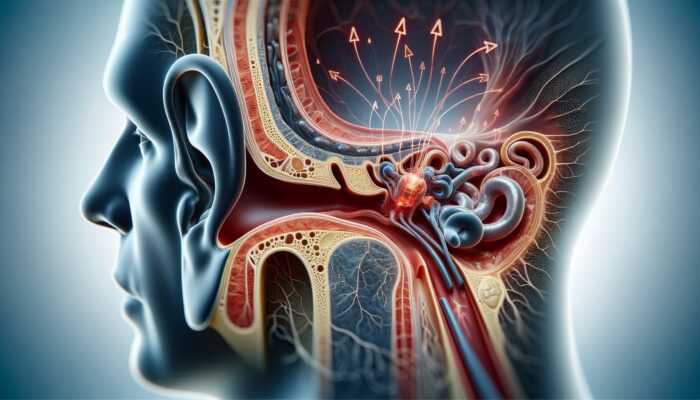
The intricate connection between blood flow and ear health is vital and should never be underestimated. Healthy blood circulation delivers essential oxygen and nutrients to the delicate tissues within the ear, ensuring their functionality and overall wellness. It is crucial to maintain healthy ear tissues to prevent damage and minimise the risk of hearing loss. If blood flow becomes restricted, the inner ear cells, which are particularly sensitive to oxygen deprivation, suffer the most. These cells rely on a consistent supply of nutrients to operate effectively. This understanding underscores the importance of daily care routines that prioritise good circulation, such as engaging in regular exercise and maintaining a balanced diet rich in vitamins and minerals.

Moreover, the ear’s anatomical structure, encompassing the outer, middle, and inner ear, requires continuous blood supply for proper functioning. For instance, the cochlea in the inner ear is responsible for converting sound vibrations into neural signals. Its sensory cells, referred to as hair cells, depend heavily on robust blood flow for their survival and optimal performance. Should this blood supply diminish, these cells risk weakening and eventually dying, leading to irreversible hearing impairment. Consequently, recognising the influence of blood flow on ear health is a crucial step towards fostering auditory wellness and preventing future complications.

What Factors Influence Blood Supply to the Ears?

Several key factors significantly affect how effectively blood reaches the ears, which in turn impacts overall auditory well-being. Primarily, the health of the blood vessels is essential. Conditions such as hypertension or atherosclerosis can hinder the proper functioning of these vessels, thus reducing blood flow to ear tissues. Additionally, the overall effectiveness of the body’s circulation is critical; if the cardiovascular system faces challenges, it may lead to diminished blood supply in peripheral areas, including the ears.

Lifestyle choices also play a significant role in influencing circulation. For example, a sedentary lifestyle can lead to inadequate blood flow, whereas regular physical activity enhances healthy circulation. A diet rich in antioxidants and Omega-3 fatty acids supports vascular health, ensuring that blood vessels remain flexible and unobstructed. Furthermore, external factors such as environmental stressors can provoke blood vessel constriction, further complicating blood flow to the ears. By regularly monitoring these factors and adopting a proactive approach to ear health, individuals can significantly reduce the risk of future complications and safeguard their auditory functions.

How Does Blood Flow Enhance Hearing Capabilities?

Blood flow acts as a lifeline for the components of the ear, nourishing them and ensuring they function effectively. The complex network of blood vessels within the ears is responsible for supplying the oxygen and nutrients that sensory cells require for optimal performance. Without sufficient blood circulation, these cells may weaken, leading to potential auditory problems and a diminished quality of life.

The critical components of circulation necessary for ear health include:

  • Oxygen delivery: Essential for cellular respiration and energy production.
  • Nutrient transport: Provides vital substances like vitamins and minerals needed for cellular health.
  • Waste removal: Eliminates metabolic byproducts that could accumulate and cause harm.
  • Hormonal balance: Transports hormones that govern growth and repair processes in ear tissues.
  • Inflammatory response: Delivers immune cells to combat infections that can affect hearing.
  • Temperature regulation: Maintains optimal conditions for cellular functions.

This intricate interplay of functions highlights the necessity of maintaining healthy blood flow to ensure that the auditory system operates smoothly and efficiently. When blood circulation is compromised, it can trigger a series of problems that profoundly affect hearing capabilities.

Expert Insights on the Mechanisms of Ear Circulation

Understanding the Essential Mechanisms Behind Ear Circulation

The mechanics of blood flow within the ear involve a sophisticated network of vessels intricately designed to support hearing. Experts stress that this network not only delivers essential nutrients but also plays a crucial role in maintaining balance and aiding in sound processing. Disruptions in blood flow can impair these vital functions, making it imperative to adopt proactive health strategies to protect ear health.

Actionable steps derived from clinical observations include engaging in regular cardiovascular exercise, which has been shown to significantly enhance overall blood circulation. Additionally, incorporating a diet rich in vitamins C and E can bolster vessel health and promote better blood flow. Practices such as tai chi and yoga, which emphasise body awareness and controlled movements, also positively impact circulation, particularly in the head and neck regions. Regular health check-ups that include monitoring blood pressure and cholesterol levels can help identify potential circulatory issues before they escalate. By recognising the signs of compromised circulation and implementing these strategies, individuals can proactively manage their ear health and prevent future problems.

What Symptoms Indicate Compromised Blood Flow?

Reduced blood flow to the ears can present various symptoms that require immediate attention. Common indicators include persistent tinnitus, often described as a ringing or buzzing sound in the ears, along with episodes of dizziness or feelings of imbalance. Research has shown that these symptoms are directly linked to decreased blood supply, underscoring the importance of early detection in preserving auditory health.

Early identification of compromised blood flow can facilitate timely interventions, which are crucial for maintaining ear health. Individuals should remain vigilant for warning signs such as:

  • Persistent ringing: A continuous sound that is not caused by external noise.
  • Muffled hearing: Difficulty in hearing conversations or sounds clearly.
  • Frequent dizziness: Unexplained feelings of unsteadiness or lightheadedness.
  • Pressure in the ears: A sensation of fullness or discomfort that is not related to allergies.

Recognising these symptoms early can lead to interventions that may involve lifestyle changes, medical evaluations, and treatments designed to restore adequate blood flow, ultimately protecting auditory health.

Advanced Effects of Circulation on Ear Health

The dynamics of blood flow exert a significant influence on the health of ear structures, with experts emphasising the necessity of maintaining steady circulation. Research indicates that imbalances in blood flow can exacerbate conditions such as hearing loss or chronic ear infections. When circulation is compromised, tissue damage can occur, increasing susceptibility to infections and impairing the ear’s ability to process sound effectively.

Long-term imbalances in blood flow could ultimately result in irreversible damage if left unaddressed. Therefore, regular assessments of circulatory health are recommended for sustained ear well-being. This can include routine visits to healthcare professionals who can evaluate vascular health and provide guidance on managing risk factors. An integrative approach that combines lifestyle modifications, such as improving diet, increasing physical activity, and managing stress, is essential for fostering optimal blood flow. This proactive stance not only contributes to better ear health but enhances overall wellness, underscoring the interconnectedness of bodily systems.

What Impact Does Blood Flow Have on Ear Health?

Exploring the Link Between Blood Flow and Auditory Issues

Blood flow profoundly impacts ear health by delivering vital nutrients necessary for maintaining optimal auditory function. Reduced blood flow may lead to inflammation or infections, which can hinder hearing capabilities. Understanding this connection is critical for implementing preventive measures against common auditory issues, especially as individuals age.

An unhealthy circulatory system can heighten the risk of developing auditory conditions such as presbycusis, age-related hearing loss, and even sensorineural hearing loss caused by damage to the inner ear. This relationship underscores the importance of maintaining good circulation to avert issues related to hearing. By prioritising cardiovascular health through lifestyle changes—such as a balanced diet rich in antioxidants, engaging in regular physical activity, and effectively managing stress—individuals can significantly enhance their auditory health and overall well-being.

What Factors Disrupt Ear Circulation?

Numerous factors can disrupt blood flow to the ears, significantly impacting auditory function. Lifestyle choices play a pivotal role; smoking, excessive alcohol consumption, and high-fat diets can lead to vascular health deterioration. These habits contribute to conditions like atherosclerosis, where arteries narrow due to plaque accumulation, reducing blood flow.

In addition to lifestyle factors, other contributors include sedentary behaviour, which impedes circulation, and chronic conditions such as diabetes and hypertension. Identifying these disruptors is essential for adopting habits that promote better circulation and long-term ear protection. Simple changes, such as quitting smoking, moderating alcohol intake, and integrating regular physical activity into daily life, can markedly improve blood flow. Furthermore, ensuring adequate hydration and consuming foods rich in omega-3 fatty acids can help maintain vascular health, ultimately benefiting ear function.

What Are the Benefits of Improved Blood Flow?

Enhancing blood flow bolsters ear resilience, thereby decreasing the risk of developing auditory disorders and improving sound perception. Improved circulation ensures that ear tissues receive adequate nutrients and oxygen, essential for their longevity. It also plays a crucial role in maintaining balance, which is closely linked to auditory health.

Increased blood flow provides numerous advantages, including:

  • Enhanced nutrient delivery: Vital substances reach ear tissues more effectively.
  • Improved detoxification: Waste products are efficiently eliminated, reducing inflammation.
  • Stronger immune response: Better circulation supports the body’s defence against infections.
  • Heightened auditory sensitivity: Enhanced blood flow can improve the ear’s capacity to perceive sound.

These benefits highlight the importance of maintaining healthy blood circulation to ensure that the auditory system functions optimally throughout one’s life. Simple lifestyle adjustments can create a significant, positive impact on ear health, promoting better hearing capabilities and overall auditory wellness.

Effective Strategies to Enhance Blood Flow for Optimal Ear Health

Adopting healthy habits can significantly improve blood flow to the ears, aiding in the prevention of hearing impairments and promoting long-term auditory well-being. Engaging in regular physical activity, such as walking, swimming, or cycling, serves as a vital strategy. These activities bolster cardiovascular health, which directly translates into improved circulation to the ear structures.

Moreover, a nutrient-rich diet plays a crucial role in supporting blood flow. Foods high in antioxidants, such as berries, leafy greens, and nuts, help maintain vascular integrity. Incorporating omega-3 fatty acids from sources like fish and flaxseeds is also beneficial, as these fats promote healthy blood circulation. Stress management techniques, including mindfulness, yoga, or meditation, can further enhance blood flow by alleviating tension and improving overall vascular health.

Hydration is another critical factor. Maintaining proper fluid balance ensures that blood viscosity remains optimal, facilitating efficient flow to ear tissues. It can also help prevent complications associated with dehydration, which can negatively impact auditory health. By integrating these strategies into daily life, individuals can support their ear health and enhance their auditory experience over time.

Research-Backed Insights on the Relationship Between Hearing and Circulation

What Does Current Research Reveal About Blood Flow and Ear Health?

A growing array of research indicates that optimal blood flow is crucial for preventing hearing loss. Studies have demonstrated that consistent and adequate circulation protects the inner ear components from oxygen deprivation, thereby preserving their functionality. High-quality blood circulation has been associated with better auditory preservation across diverse demographics, reinforcing the importance of this relationship.

The implications of these findings highlight the necessity of prioritising circulatory health as a core aspect of ear care. Regular check-ups and monitoring cardiovascular status can prove incredibly beneficial. When blood flow is compromised, it can lead to a range of auditory problems, making proactive measures essential. This proactive approach not only aids in preserving hearing but also enhances overall quality of life through improved auditory experiences.

What Are the Long-Term Impacts of Flow Deficiencies on Hearing?

Inadequate blood flow over time can result in chronic ear conditions, affecting sound processing and potentially causing irreversible damage if left untreated. Research indicates that chronic deficiencies in circulation can lead to various auditory complications, such as permanent hearing loss, tinnitus, and balance disorders.

The long-term effects of poor circulation emphasise the necessity for early intervention. Individuals experiencing symptoms indicative of compromised blood flow should seek medical advice as soon as possible. Implementing lifestyle changes, such as dietary modifications and increased physical activity, can significantly improve blood flow and prevent the onset of chronic conditions. Regular monitoring and proactive measures can safeguard ear health, ensuring that auditory functions remain intact throughout one’s life.

How Does Poor Circulation Cause Ear Damage?

Issues with blood flow may result in tissue damage within the ears, primarily by limiting nutrient delivery and increasing vulnerability to infections or sensory loss over time. When blood circulation is compromised, ear tissues do not receive the necessary oxygen and nutrients. This deprivation can lead to cellular damage, inflammation, and ultimately, the deterioration of auditory functions.

Research indicates that compromised blood flow can lead to conditions such as postural instability, making individuals prone to falls and other accidents. The risk of developing chronic ear infections also rises, as the immune response weakens when blood flow is insufficient. Over time, these issues may culminate in irreversible damage to hearing structures, underscoring the importance of addressing any circulatory concerns promptly. By maintaining healthy blood flow through lifestyle choices and regular health evaluations, individuals can effectively protect their ear health and mitigate the risks associated with poor circulation.

What Are the Risks Associated with Poor Blood Flow?

Identifying Potential Complications for Ear Health

Poor blood flow significantly raises the risks of infections and hearing impairments by depriving ear tissues of essential oxygen. This deprivation can escalate into more severe auditory issues, including chronic conditions that impair hearing capabilities. Inadequate circulation may also lead to increased vulnerability to infections, as the immune response becomes compromised.

The ramifications of poor blood flow extend beyond auditory complications. Individuals may experience balance issues, resulting in a heightened risk of falls and injuries. Compounding these risks, chronic stress associated with auditory dysfunction can lead to further circulatory problems, creating a detrimental cycle. Prioritising proper blood circulation is essential for safeguarding ear health and preventing these complications.

Why Is It Important to Monitor Circulation in the Ears?

Monitoring blood flow to the ears is crucial for identifying early signs of potential problems, which can prevent further deterioration. Since circulation directly impacts auditory health, tracking changes can help individuals seek timely medical intervention. Regular checks can provide insights into the vascular health that supports ear function.

Understanding how blood flow influences ear health allows for proactive management of any emerging issues. Recognising symptoms early—such as ringing in the ears or dizziness—can guide individuals in taking necessary actions, whether lifestyle changes or consulting healthcare professionals. By prioritising circulation monitoring, individuals can maintain their auditory health and enhance their quality of life.

What Symptoms Are Linked to Reduced Blood Flow?

Common signs of reduced blood flow to the ears include persistent ringing or muffled sounds, indicating flow problems that could worsen without intervention. Recognising these symptoms is vital for maintaining auditory function and preventing potential complications. Individuals should be alert to other warning indicators, including:

  • Frequent episodes of dizziness: Unexplained lightheadedness or imbalance.
  • Pressure sensation: A feeling of fullness in the ears that isn’t allergy-related.
  • Increased sensitivity to sound: Difficulty tolerating loud noises.
  • Changes in hearing clarity: Difficulty understanding speech or everyday sounds.

These symptoms serve as essential signals that blood flow may be compromised. Taking action upon noticing these signs can lead to earlier interventions, preserving ear health and preventing further auditory decline.

Strategies for Maintaining Healthy Blood Flow to the Ears

Daily Habits to Enhance Circulation

Implementing simple daily habits can significantly boost blood flow to the ears, greatly supporting their health and reducing the likelihood of related disorders. Regular exercise stands out as one of the most effective methods to enhance circulation. Activities such as walking, jogging, or swimming stimulate the cardiovascular system, ensuring that blood flows freely to all body parts, including the ears.

In addition to physical activity, maintaining a balanced diet is crucial. Foods rich in vitamins C and E, such as citrus fruits and nuts, promote healthy blood vessels. Staying well-hydrated also supports optimal blood viscosity, facilitating efficient circulation to ear tissues. Incorporating relaxation techniques, such as deep breathing or yoga, can help reduce stress levels that may constrict blood vessels, thereby enhancing overall circulation. By consistently practicing these habits, individuals can foster better ear health and enhance their auditory experiences.

What Nutritional Support Can Enhance Ear Blood Flow?

Certain nutrients significantly improve blood delivery to the ears, aiding in the prevention of circulatory issues and promoting stronger auditory function over time. Nutritional choices play a pivotal role in maintaining vascular health. A diet rich in antioxidants helps protect blood vessels from oxidative stress, which can impede blood flow. Incorporating foods such as berries, spinach, and whole grains offers significant benefits.

Omega-3 fatty acids represent another vital component. Found in fish such as salmon or plant sources like flaxseeds, they enhance vascular health and improve overall circulation. Magnesium, available in leafy greens and nuts, supports healthy blood pressure levels, further promoting effective circulation. Additionally, maintaining a diet low in saturated fats and sugars can prevent plaque buildup in arteries that could obstruct blood flow. By prioritising these nutritional components, individuals can enhance their ear health through improved blood flow, promoting longevity and auditory strength.

How Does Hydration Contribute to Ear Health?

Hydration plays a critical role in maintaining blood viscosity, ensuring efficient flow to ear tissues. When the body is well-hydrated, blood remains fluid and can move through vessels effectively, delivering oxygen and nutrients to the ears. Dehydration can lead to thicker blood, which may impede circulation and contribute to complications in auditory health.

Furthermore, proper hydration aids in regulating body temperature and supports various metabolic processes essential for ear function. Consuming adequate amounts of water throughout the day, especially in warmer climates or during physical activity, is crucial for maintaining optimal blood flow. This simple yet effective strategy can prevent complications associated with dehydration, enhancing auditory health and overall well-being.

How Can Relaxation Techniques Improve Blood Flow?

Incorporating relaxation techniques, such as deep breathing or meditation, can profoundly influence blood flow to the ears. Stress is known to constrict blood vessels, diminishing circulation and potentially affecting auditory health. By practising mindfulness and relaxation, individuals can reduce stress levels, thereby promoting better blood flow and overall ear health.

Techniques such as yoga and tai chi not only enhance physical well-being but also foster mental calmness, positively impacting circulatory health. Regular relaxation practices improve vascular function, contributing to better nutrient delivery and oxygenation of ear tissues. Committing to these techniques can significantly reduce the risk of disorders related to poor circulation and promote better hearing capabilities over time.

Why Is Circulation Essential for Optimal Auditory Function?

Understanding the Science Behind Blood Flow and Hearing

Circulation is essential for auditory function as it transports oxygen to ear cells, enabling clear sound transmission and preventing functional declines. The delicate structures of the ear, particularly the inner ear, depend on a consistent blood supply to maintain their integrity and responsiveness to sound stimuli. Disruption in blood flow can lead to a range of auditory issues, including diminished hearing sensitivity and increased susceptibility to infections.

The auditory system requires a constant supply of nutrients, which relies heavily on efficient circulation. Without adequate blood flow, ear cells can become damaged, leading to irreversible hearing loss over time. Understanding this link between circulation and auditory function emphasises the necessity of maintaining vascular health as a foundational aspect of ear care.

How Does Blood Flow Affect Sound Processing?

Adequate circulation enhances the ear’s ability to process sounds by keeping sensory pathways active and responsive to external stimuli. The ear’s intricate structure, including the cochlea and auditory nerve, depends on a consistent supply of oxygen and nutrients to function optimally. When blood flow is compromised, the efficiency of sound processing diminishes, leading to challenges in hearing clarity and balance.

Furthermore, the inner ear’s sensory cells are particularly vulnerable to oxidative stress due to inadequate blood supply. This vulnerability can lead to conditions such as tinnitus and auditory processing disorders. Maintaining healthy blood circulation is paramount for preserving auditory function, as it directly impacts the ear’s ability to interpret and respond to sound. Therefore, prioritising vascular health through lifestyle choices is crucial for sustaining auditory performance.

What Are the Risks of Neglecting Circulatory Health?

Neglecting circulatory health can lead to auditory dysfunction, where poor circulation impairs the ear’s response to sounds, potentially causing long-term hearing challenges. Individuals may experience increased episodes of tinnitus, decreased sensitivity to sounds, and balance issues. Chronic neglect of blood flow can result in irreversible damage to the inner ear structures, exacerbating hearing loss.

The risks associated with poor circulation extend beyond auditory issues; they can impact overall quality of life, affecting social interactions and mental well-being. Recognising these risks and taking proactive steps to prioritise circulatory health is essential. Regular monitoring, combined with lifestyle changes aimed at improving blood flow, can significantly enhance both auditory function and overall health.

What Techniques Can Improve Blood Flow?

Effective Strategies for Enhancing Circulation

Several effective techniques can promote better circulation to the ears, helping to mitigate risks and enhance overall auditory health. Engaging in regular physical activity is paramount. Aerobic exercises like walking, running, and swimming boost heart rate, improving blood flow throughout the body, including the ears.

Incorporating stretching and flexibility exercises can also promote circulation by easing muscle tension and improving blood flow to various body regions. Techniques such as massage therapy can enhance local circulation, particularly in the neck and jaw areas, which are closely linked to ear function.

Mindfulness practices, including deep breathing exercises, can help reduce stress levels and promote vascular health. By cultivating relaxation and reducing tension, individuals can improve their blood flow and support auditory health. Combining these techniques into a daily routine can yield significant benefits for ear health and overall well-being.

What Lifestyle Changes Support Ear Health?

Adopting healthier lifestyle habits can optimise blood flow, reducing strain on ear vessels and fostering resilience against potential health issues. Avoiding tobacco products is crucial, as smoking is known to damage blood vessels, impairing circulation. Limiting alcohol consumption is also essential, as excessive intake can lead to dehydration and negatively affect blood flow.

Incorporating a nutrient-rich diet, including fruits, vegetables, whole grains, and healthy fats, can significantly improve vascular health. Staying hydrated is equally important; drinking sufficient water can enhance blood flow and support overall circulation. Regularly monitoring blood pressure and managing stress through relaxation techniques further contributes to healthy circulation.

These lifestyle changes not only promote better blood flow but also enhance overall health, leading to improved auditory function and quality of life.

How Can Exercise Benefit Blood Flow to the Ears?

Physical activities are instrumental in improving circulation by increasing blood delivery to the ears, which supports hearing maintenance and prevents associated problems from developing. Aerobic exercises, such as brisk walking or cycling, significantly enhance cardiovascular health, promoting better blood flow to all body parts, including the ears.

Strength training can also contribute to improved circulation by enhancing muscle strength and efficiency, enabling the body to pump blood more effectively. Flexibility exercises, such as yoga or stretching, promote relaxation and reduce muscle tension, thereby facilitating better blood flow.

Moreover, specific head and neck exercises can directly benefit ear circulation. Simple movements that encourage blood flow in these areas can enhance nutrient delivery to ear tissues, fostering better auditory health. By incorporating a regular exercise routine into daily life, individuals can significantly improve their ear health and prolong their hearing abilities.

What Are the Long-Term Effects of Poor Blood Flow on Ear Health?

Chronic Issues Arising from Sustained Poor Circulation

Ongoing circulation problems can result in permanent ear damage, affecting hearing quality and necessitating ongoing management strategies. Chronic conditions such as hearing loss, tinnitus, and balance disorders can arise from sustained inadequate circulation. Over time, insufficient blood flow can lead to irreversible damage to the delicate structures within the ear, compromising their functionality.

Individuals experiencing chronic circulatory issues should not underestimate the importance of timely intervention. Seeking professional advice and implementing effective lifestyle changes can greatly enhance blood flow and prevent future complications. Regular health check-ups are essential for monitoring circulatory health and ensuring sustained ear well-being.

What Preventive Measures Can Ensure Future Ear Health?

Proactive steps can safeguard ear health by maintaining steady circulation, thus minimising the chances of long-term auditory complications. Regular physical activity, a balanced diet, and effective stress management are foundational strategies for promoting optimal blood flow. Engaging in activities that enhance cardiovascular health plays a vital role in preventing circulatory issues that may affect ear function.

Monitoring blood pressure and cholesterol levels can help identify potential circulatory problems before they escalate. By prioritising these preventive measures, individuals can take control of their ear health and significantly reduce the risk of developing chronic auditory conditions.

What Positive Outcomes Result from Healthy Circulation?

Sustained blood flow leads to better ear longevity, with improved hearing and reduced risks of disorders. Good circulation ensures that the auditory system receives the necessary nutrients and oxygen, which is essential for maintaining its integrity and functionality. Individuals who prioritise circulatory health often experience enhanced auditory clarity, reduced vulnerability to infections, and overall improved quality of life.

Consistently promoting healthy blood flow can contribute to better hearing capabilities throughout life and mitigate the impact of age-related hearing decline. The benefits of maintaining strong circulation extend beyond auditory health, fostering overall wellness and vitality. By adopting healthy habits that promote good circulation, individuals can enhance their ear health and enjoy a lifetime of vibrant auditory experiences.

Frequently Asked Questions

What Role Does Blood Flow Play in Ear Health?

Blood flow delivers essential oxygen and nutrients to ear tissues, which are vital for their function and overall health. Compromised circulation can lead to auditory issues and increased susceptibility to infections.

How Can I Improve Blood Circulation to My Ears?

Regular exercise, a nutrient-rich diet, adequate hydration, and stress management techniques can significantly enhance blood circulation to the ears.

What Are Common Symptoms of Poor Ear Circulation?

Common symptoms include persistent tinnitus, dizziness, muffled hearing, and a sensation of pressure in the ears. Early detection is crucial for timely intervention.

Can Poor Circulation Lead to Hearing Loss?

Yes, inadequate blood flow can damage the inner ear structures, leading to permanent hearing loss and other auditory complications if not addressed promptly.

What Lifestyle Changes Can Support Ear Health?

Adopting a balanced diet, engaging in regular physical activity, avoiding tobacco and excessive alcohol, and managing stress can support ear health and improve blood circulation.

How Does Hydration Affect Ear Health?

Proper hydration maintains blood viscosity, facilitating efficient circulation to ear tissues. Dehydration can impede blood flow and negatively impact auditory health.

What Are the Long-Term Effects of Poor Ear Circulation?

Chronic issues from sustained poor circulation can lead to permanent ear damage, affecting hearing quality and necessitating ongoing management strategies to maintain auditory health.

Are There Exercises Specifically for Improving Ear Circulation?

Yes, aerobic exercise, strength training, and flexibility exercises, particularly those focusing on the head and neck, can be beneficial for enhancing ear circulation.

Why Is Monitoring Circulation Important for Ear Health?

Monitoring circulation helps identify early signs of potential problems, allowing for timely interventions that can preserve ear health and improve overall well-being.

What Outcomes Can I Expect from Good Blood Circulation?

Good blood circulation leads to better ear longevity, improved hearing capabilities, and reduced risks of auditory disorders, contributing to overall health and quality of life.

Join us on X for exclusive updates!

The post Blood Flow and Ear Health: Essential Factors to Understand appeared first on The Microsuction Ear Wax Removal Network.
Categories
Ear Care Health & Wellness

Ear Health and Blood Flow: Key Factors to Consider

Last Updated on 04/02/2026 by Admin

Uncover the Key Relationship Between Blood Flow and Ear Health

Discover How Improved Circulation Boosts Ear Functionality

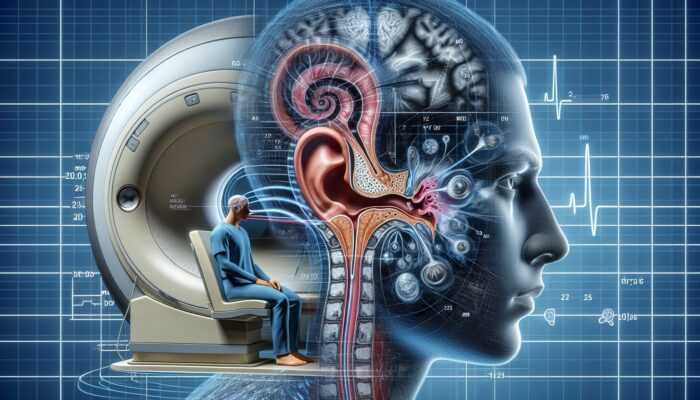
The intricate connection between blood flow and ear health is significant and should not be disregarded. Optimal blood circulation delivers critical oxygen and nutrients to the delicate tissues in the ear, which is essential for maintaining their function and overall vitality. Preserving healthy ear tissues is crucial for preventing damage and minimising the risk of hearing loss. When blood flow becomes restricted, the cells in the inner ear, which are particularly susceptible to oxygen deprivation, are adversely affected. These cells rely on a consistent influx of nutrients to operate effectively. This insight highlights the importance of daily care routines prioritising optimal circulation, such as engaging in regular exercise and consuming a balanced diet rich in vitamins and minerals.

In addition, the ear’s complex anatomical structure, which encompasses the outer, middle, and inner ear, requires a continual blood supply to function properly. For instance, the cochlea, positioned in the inner ear, is tasked with converting sound vibrations into neural signals. Its sensory cells, identified as hair cells, heavily depend on robust blood flow for their survival and optimal operation. Should this blood supply falter, these cells risk deterioration and eventual death, culminating in irreversible hearing impairment. Thus, recognising the influence of blood flow on ear health is a crucial step toward advancing auditory wellness and preemptively addressing potential concerns.

What Factors Influence Blood Supply to the Ears?

Several critical factors govern the efficiency of blood reaching the ears, which significantly affects overall auditory well-being. Primarily, the health of the blood vessels plays a vital role. Conditions such as hypertension and atherosclerosis can obstruct the proper functioning of these vessels, thereby diminishing the blood supply to ear tissues. Moreover, the overall efficacy of the body’s circulation is paramount; if the cardiovascular system is compromised, it can lead to reduced blood flow in peripheral regions, including the ears.

Lifestyle choices greatly influence circulation. For instance, sedentary behaviour can result in insufficient blood flow, while consistent physical activity fosters healthy circulation. A diet rich in antioxidants and omega-3 fatty acids can support vascular health, ensuring that blood vessels remain flexible and free from blockages. Additionally, external elements such as environmental stressors can incite blood vessel constriction, further complicating blood flow to the ears. Regularly assessing these factors and adopting a proactive stance toward ear health can greatly aid in averting future complications and preserving auditory function.

How Does Blood Flow Enhance Hearing Abilities?

Blood flow acts as a lifeline for the structures of the ear, nourishing them and ensuring they operate effectively. The complex network of blood vessels within the ears serves the crucial role of delivering the oxygen and nutrients necessary for sensory cells to perform at their best. Without sufficient blood circulation, these cells may weaken, resulting in potential auditory problems and a diminished quality of life.

Key components of circulation essential for ear health include:

  • Oxygen delivery: Critical for cellular respiration and energy production.
  • Nutrient transport: Provides essential substances like vitamins and minerals necessary for cellular health.
  • Waste removal: Eliminates metabolic byproducts that can build up and cause harm.
  • Hormonal balance: Distributes hormones that regulate growth and repair processes within ear tissues.
  • Inflammatory response: Mobilises immune cells to combat infections that may impact hearing.
  • Temperature regulation: Ensures optimal conditions for cellular functions.

This intricate interplay of functions underscores the necessity of sustaining healthy blood flow to ensure that the auditory system operates seamlessly and efficiently. When blood circulation becomes compromised, it can initiate a chain reaction of issues that significantly affect hearing capabilities.

Expert Insights on the Importance of Blood Flow in Ear Health

Key Mechanisms Supporting Ear Circulation

The mechanics of blood flow in the ear involve a sophisticated network of vessels intricately designed to support hearing. Experts highlight that this network not only supplies essential nutrients but also plays a pivotal role in maintaining balance and assisting in sound processing. Disruptions in blood flow can hinder these vital functions, making it essential to adopt proactive health strategies to protect ear health.

Actionable guidance based on clinical observations includes engaging in regular cardiovascular exercise, which has been demonstrated to enhance overall blood circulation. Moreover, incorporating a diet abundant in vitamins C and E can bolster vessel health, encouraging improved blood flow. Practices such as tai chi and yoga, which emphasise body awareness and controlled movements, also positively influence circulation, particularly in the head and neck regions. Regular health check-ups that include monitoring blood pressure and cholesterol levels can help identify potential circulatory issues before they escalate. By recognising the signs of compromised circulation and implementing these strategies, individuals can take charge of their ear health and avert future complications.

What Symptoms Indicate Compromised Blood Flow?

Reduced blood flow to the ears can manifest through various symptoms that necessitate immediate attention. Common indicators include persistent tinnitus, often described as a ringing or buzzing sound in the ears, alongside episodes of dizziness or feelings of imbalance. Research underscores that these symptoms are directly correlated with diminished blood supply, accentuating the importance of early detection in preserving auditory health.

Early identification of compromised blood flow allows for timely interventions, which are vital for maintaining ear health. Individuals should remain vigilant for warning signs such as:

  • Persistent ringing: A continuous sound that is not caused by external noise.
  • Muffled hearing: Difficulty in clearly hearing conversations or sounds.
  • Frequent dizziness: Unexplained sensations of unsteadiness or lightheadedness.
  • Pressure in the ears: A feeling of fullness or discomfort unrelated to allergies.

Recognising these symptoms early can lead to interventions that may involve lifestyle adjustments, medical assessments, and treatments aimed at restoring adequate blood flow, ultimately safeguarding auditory health.

Advanced Effects of Circulation on Ear Health

The dynamics of blood flow significantly influence the health of ear structures, with experts emphasising the necessity of maintaining consistent circulation. Research indicates that imbalances in blood flow can worsen conditions such as hearing loss or chronic ear infections. When circulation is hindered, tissue damage can occur, increasing vulnerability to infections and impairing the ear’s capacity to process sound effectively.

Long-term deficiencies in blood flow could potentially culminate in irreversible damage if not addressed. Thus, regular evaluations of circulatory health are recommended for sustained ear well-being. This may involve routine visits to healthcare professionals who can assess vascular health and provide guidance on managing risk factors. An integrative approach that combines lifestyle modifications, such as improving diet, increasing physical activity, and managing stress, is essential for fostering optimal blood flow. This proactive stance not only contributes to improved ear health but enhances overall wellness, highlighting the interconnectedness of bodily systems.

What Impact Does Blood Flow Have on Ear Health?

The Connection Between Blood Flow and Auditory Issues

Blood flow profoundly influences ear health by supplying essential nutrients vital for maintaining optimal auditory function. Reduced blood flow may lead to inflammation or infections, which can hinder hearing capabilities. Understanding this connection is crucial for implementing preventive measures against common auditory issues, especially as individuals age.

An unhealthy circulatory system can heighten the risk of developing auditory conditions such as presbycusis, age-related hearing loss, and even sensorineural hearing loss resulting from damage to the inner ear. This relationship underscores the importance of maintaining good circulation to avert hearing-related issues. By prioritising cardiovascular health through lifestyle modifications—such as a balanced diet rich in antioxidants, engaging in regular physical activity, and managing stress—individuals can significantly enhance their auditory health and overall well-being.

What Factors Disrupt Ear Circulation?

Various factors can obstruct blood flow to the ears, seriously affecting auditory function. Lifestyle choices play a pivotal role; smoking, excessive alcohol consumption, and high-fat diets can lead to a decline in vascular health. These behaviours contribute to conditions like atherosclerosis, where arteries narrow due to plaque accumulation, reducing blood flow.

In addition to lifestyle, other contributing factors include sedentary behaviour, which hampers circulation, and chronic conditions such as diabetes and hypertension. Recognising these disruptors is crucial for adopting habits that promote better circulation and long-term ear protection. Simple changes, such as quitting smoking, moderating alcohol consumption, and integrating regular physical activity into daily routines, can markedly enhance blood flow. Furthermore, ensuring adequate hydration and consuming foods rich in omega-3 fatty acids can help maintain vascular health, ultimately benefiting ear function.

What Are the Benefits of Improved Blood Flow?

Enhancing blood flow promotes ear resilience, thereby diminishing the risk of developing auditory disorders and improving sound perception. Improved circulation ensures that ear tissues receive sufficient nutrients and oxygen, crucial for their longevity. It also plays a vital role in maintaining balance, which is closely connected to auditory health.

Increased blood flow provides numerous advantages, including:

  • Enhanced nutrient delivery: Essential substances reach ear tissues more effectively.
  • Improved detoxification: Waste products are efficiently cleared, reducing inflammation.
  • Stronger immune response: Better circulation bolsters the body’s defence against infections.
  • Heightened auditory sensitivity: Improved blood flow can enhance the ear’s ability to perceive sound.

These benefits underscore the necessity of maintaining healthy blood circulation to ensure that the auditory system functions optimally throughout one’s life. Simple lifestyle adjustments can exert a significant, positive impact on ear health, promoting enhanced hearing capabilities and overall auditory wellness.

Effective Strategies to Enhance Blood Flow for Optimal Ear Health

Embracing healthy habits can greatly improve blood flow to the ears, aiding in the prevention of hearing impairments and fostering long-term auditory well-being. Regular physical activity, such as walking, swimming, or cycling, serves as a fundamental strategy. These activities enhance cardiovascular health, which directly translates into improved circulation to the ear structures.

Moreover, a nutrient-dense diet plays a critical role in supporting blood flow. Foods high in antioxidants, such as berries, leafy greens, and nuts, help maintain vascular integrity. Including omega-3 fatty acids from sources like fish and flaxseeds is also beneficial, as these fats encourage healthy blood circulation. Stress management techniques, such as mindfulness, yoga, or meditation, can further enhance blood flow by alleviating tension and improving overall vascular health.

Hydration is another essential aspect. Maintaining proper fluid levels ensures that blood viscosity remains optimal, facilitating efficient flow to ear tissues. It can also help prevent complications related to dehydration, which can adversely affect auditory health. By integrating these strategies into daily routines, individuals can bolster their ear health and enrich their auditory experiences over time.

Research-Backed Insights on the Interplay of Hearing and Circulation

What Insights Do Studies Provide About Blood Flow and Ear Health?

An expanding body of research suggests that optimal blood flow is crucial for averting hearing loss. Studies indicate that consistent and adequate circulation protects the inner ear components from oxygen deprivation, thus maintaining their functionality. High-quality blood circulation correlates with better auditory preservation across various demographics, reinforcing the importance of this relationship.

The implications of these findings highlight the necessity of prioritising circulatory health as an integral component of ear care. Regular check-ups and monitoring cardiovascular status can yield substantial benefits. When blood flow is compromised, it can lead to an array of auditory problems, making proactive measures essential. This proactive approach not only aids in safeguarding hearing but also enhances overall quality of life through improved auditory experiences.

What Are the Long-Term Consequences of Flow Deficiencies on Hearing?

Inadequate blood flow over time can result in chronic ear conditions, impacting sound processing and potentially causing irreversible damage if left unaddressed. Research demonstrates that chronic deficiencies in circulation can lead to a range of auditory complications, such as permanent hearing loss, tinnitus, and balance disorders.

The long-term ramifications of poor circulation underscore the urgency for early intervention. Individuals experiencing symptoms indicative of compromised blood flow should seek medical advice promptly. Implementing lifestyle changes, including dietary modifications and increased physical activity, can significantly enhance blood flow and prevent the emergence of chronic conditions. Regular monitoring and proactive measures can protect ear health, ensuring that auditory functions remain intact throughout one’s life.

How Does Poor Circulation Cause Ear Damage?

Issues with blood flow may lead to tissue damage within the ears, primarily by restricting nutrient delivery and increasing vulnerability to infections or sensory loss over time. When blood circulation is inadequate, ear tissues do not receive the necessary oxygen and nutrients. This deprivation can result in cellular damage, inflammation, and ultimately, the degradation of auditory functions.

Research indicates that compromised blood flow can lead to conditions such as postural instability, making individuals more susceptible to falls and other accidents. The risk of developing chronic ear infections also escalates, as the immune response diminishes when blood flow is insufficient. Over time, these issues may result in irreversible damage to hearing structures, making it vital to address any circulatory concerns swiftly. By maintaining healthy blood flow through lifestyle choices and regular health check-ups, individuals can effectively protect their ear health and mitigate the risks associated with poor circulation.

What Risks Are Associated with Poor Blood Flow?

Recognising Potential Complications for Ear Health

Poor blood flow presents significant risks of infections and hearing impairments by depriving ear tissues of essential oxygen. This deprivation can escalate into more serious auditory issues, including chronic conditions that hinder hearing capabilities. Insufficient circulation may also increase susceptibility to infections, as the immune response weakens.

The ramifications of poor blood flow extend beyond auditory complications. Individuals may experience balance issues, resulting in a heightened risk of falls and injuries. Compounding these risks, chronic stress associated with auditory dysfunction can lead to further circulatory problems, creating a vicious cycle. Prioritising proper blood circulation is crucial for safeguarding ear health and averting these complications.

Why Is It Important to Monitor Circulation in the Ears?

Monitoring blood flow to the ears is essential for identifying early signs of potential problems, which can prevent further deterioration. As circulation directly impacts auditory health, tracking changes can empower individuals to seek timely medical intervention. Regular assessments can provide insights into the vascular health that underpins ear function.

Comprehending how blood flow influences ear health allows for proactive management of any emerging issues. Identifying symptoms early—such as ringing in the ears or dizziness—can guide individuals in taking necessary actions, whether lifestyle modifications or consulting healthcare professionals. By prioritising circulation monitoring, individuals can maintain their auditory health and enhance their quality of life.

What Symptoms Are Associated with Reduced Blood Flow?

Common indicators of diminished blood flow to the ears include persistent ringing or muffled sounds, suggesting flow issues that could worsen without intervention. Recognising these symptoms is vital for maintaining auditory function and preventing potential complications. Individuals should be alert to other warning signs, including:

  • Frequent episodes of dizziness: Unexplained lightheadedness or feelings of imbalance.
  • Pressure sensation: A sensation of fullness in the ears unrelated to allergies.
  • Increased sensitivity to sound: Difficulty tolerating loud noises.
  • Changes in hearing clarity: Difficulty understanding speech or everyday sounds.

These signs serve as crucial signals that blood flow may be compromised. Taking action upon noticing these indicators can lead to earlier interventions, preserving ear health and preventing further auditory decline.

Strategies for Maintaining Healthy Blood Flow to the Ears

Daily Habits to Enhance Circulation

Implementing straightforward daily habits can significantly boost blood flow to the ears, strongly supporting their health and reducing the likelihood of associated disorders. Regular exercise stands out as one of the most effective methods to enhance circulation. Activities such as walking, jogging, or swimming stimulate the cardiovascular system, ensuring that blood flows freely to all body parts, including the ears.

In addition to physical activity, sustaining a balanced diet is crucial. Foods abundant in vitamins C and E, such as citrus fruits and nuts, promote healthy blood vessels. Staying well-hydrated also supports optimal blood viscosity, facilitating efficient circulation to ear tissues. Incorporating relaxation techniques, such as deep breathing or yoga, can help reduce stress levels that may constrict blood vessels, thereby enhancing overall circulation. By consistently practising these habits, individuals can foster better ear health and improve their auditory experiences.

What Nutritional Support Can Enhance Ear Blood Flow?

Certain nutrients significantly bolster blood delivery to the ears, aiding in the prevention of circulatory issues and promoting stronger auditory function over time. Nutritional choices play a crucial role in maintaining vascular health. A diet rich in antioxidants helps shield blood vessels from oxidative stress, which can hinder blood flow. Including foods such as berries, spinach, and whole grains offers substantial benefits.

Omega-3 fatty acids represent another critical component. Found in fish such as salmon, or plant sources like flaxseeds, they enhance vascular health and boost overall circulation. Magnesium, present in leafy greens and nuts, supports healthy blood pressure levels, further promoting effective circulation. Additionally, maintaining a diet low in saturated fats and sugars can prevent plaque accumulation in arteries that could obstruct blood flow. By prioritising these nutritional elements, individuals can enhance their ear health through improved blood flow, promoting longevity and auditory strength.

How Does Hydration Contribute to Ear Health?

Hydration plays a vital role in sustaining blood viscosity, ensuring efficient flow to ear tissues. When the body is adequately hydrated, blood remains fluid and can traverse through vessels effectively, delivering oxygen and nutrients to the ears. Dehydration can lead to thicker blood, which may impede circulation and contribute to complications in auditory health.

Moreover, proper hydration assists in regulating body temperature and supports various metabolic processes essential for ear function. Drinking sufficient water throughout the day, particularly in warmer climates or during physical activity, is critical for maintaining optimal blood flow. This simple yet effective strategy can prevent complications associated with dehydration, enhancing auditory health and overall well-being.

How Can Relaxation Techniques Improve Blood Flow?

Incorporating relaxation techniques, such as deep breathing or meditation, can profoundly affect blood flow to the ears. Stress is known to constrict blood vessels, diminishing circulation and potentially impacting auditory health. By practising mindfulness and relaxation, individuals can alleviate stress levels, promoting better blood flow and overall ear health.

Methods like yoga and tai chi not only enhance physical health but also foster mental tranquillity, positively influencing circulatory health. Regular relaxation practices improve vascular function, contributing to better nutrient delivery and oxygenation of ear tissues. Committing to these techniques can significantly reduce the risk of disorders associated with poor circulation and promote better hearing capabilities over time.

Why Is Circulation Essential for Optimal Auditory Function?

Understanding the Science Behind Blood Flow and Hearing

Circulation is crucial for auditory function as it transports oxygen to ear cells, enabling clear sound transmission and preventing functional declines. The delicate structures of the ear, particularly the inner ear, depend on a steady blood supply to maintain their integrity and responsiveness to sound stimuli. Disruption in blood flow can lead to a range of auditory issues, including diminished hearing sensitivity and increased susceptibility to infections.

The auditory system requires a constant nutrient supply, which heavily relies on efficient circulation. Without adequate blood flow, ear cells can sustain damage, leading to irreversible hearing loss over time. Understanding this connection between circulation and auditory function emphasises the necessity of maintaining vascular health as a cornerstone of ear care.

How Does Blood Flow Affect Sound Processing?

Sufficient circulation enhances the ear’s capacity to process sounds by keeping sensory pathways active and responsive to external stimuli. The ear’s complex structure, including the cochlea and auditory nerve, relies on a consistent influx of oxygen and nutrients to function optimally. When blood flow is restricted, the efficiency of sound processing diminishes, leading to difficulties in hearing clarity and balance.

Moreover, the inner ear’s sensory cells are particularly vulnerable to oxidative stress due to inadequate blood supply. This vulnerability can lead to conditions such as tinnitus and auditory processing disorders. Maintaining healthy blood circulation is vital for preserving auditory function, as it directly impacts the ear’s ability to interpret and respond to sound. Therefore, prioritising vascular health through lifestyle choices is essential for sustaining auditory performance.

What Are the Risks of Neglecting Circulatory Health?

Neglecting circulatory health can lead to auditory dysfunction, where poor circulation hampers the ear’s response to sounds, potentially causing long-term hearing challenges. Individuals may experience increased episodes of tinnitus, reduced sensitivity to sounds, and balance issues. Chronic neglect of blood flow can result in irreversible damage to inner ear structures, exacerbating hearing loss.

The risks associated with poor circulation extend beyond auditory issues; they can impact overall quality of life, affecting social interactions and mental well-being. Acknowledging these risks and taking proactive steps to prioritise circulatory health is essential. Regular monitoring, combined with lifestyle changes aimed at enhancing blood flow, can significantly improve both auditory function and overall health.

What Techniques Can Improve Blood Flow?

Effective Strategies for Enhancing Circulation

Several effective techniques can promote better circulation to the ears, aiding in mitigating risks and enhancing overall auditory health. Engaging in regular physical activity is paramount. Aerobic exercises like walking, running, and swimming elevate heart rate, improving blood flow throughout the body, including the ears.

Incorporating stretching and flexibility exercises can also encourage circulation by alleviating muscle tension and enhancing blood flow to various body regions. Techniques such as massage therapy can improve local circulation, particularly in the neck and jaw areas, which are closely linked to ear function.

Mindfulness practices, including deep breathing exercises, can help reduce stress levels and promote vascular health. By cultivating relaxation and alleviating tension, individuals can enhance their blood flow and support auditory health. Integrating these techniques into a daily routine can yield significant benefits for ear health and overall well-being.

What Lifestyle Changes Support Ear Health?

Adopting healthier lifestyle habits can optimise blood flow, reducing strain on ear vessels and fostering resilience against potential health issues. Avoiding tobacco products is crucial, as smoking is known to harm blood vessels, impairing circulation. Limiting alcohol consumption is also essential, as excessive intake can lead to dehydration and negatively affect blood flow.

Incorporating a nutrient-rich diet, featuring fruits, vegetables, whole grains, and healthy fats, can significantly enhance vascular health. Staying hydrated is equally important; drinking ample water can promote blood flow and support overall circulation. Regularly monitoring blood pressure and managing stress through relaxation techniques further contributes to healthy circulation.

These lifestyle changes not only foster better blood flow but also enhance overall health, leading to improved auditory function and quality of life.

How Can Exercise Benefit Blood Flow to the Ears?

Physical activities are instrumental in improving circulation by increasing blood delivery to the ears, supporting hearing maintenance and preventing associated problems from developing. Aerobic exercises, such as brisk walking or cycling, significantly enhance cardiovascular health, facilitating improved blood flow to all body parts, including the ears.

Strength training can also contribute to improved circulation by enhancing muscle strength and efficiency, enabling the body to pump blood more effectively. Flexibility exercises, such as yoga or stretching, promote relaxation and lessen muscle tension, thereby facilitating better blood flow.

Additionally, specific head and neck exercises can directly benefit ear circulation. Simple movements that encourage blood flow in these areas can enhance nutrient delivery to ear tissues, promoting better auditory health. By incorporating a regular exercise routine into daily life, individuals can substantially improve their ear health and prolong their hearing abilities.

What Are the Long-Term Effects of Poor Blood Flow on Ear Health?

Chronic Issues Arising from Sustained Poor Circulation

Ongoing flow problems can result in permanent ear damage, affecting hearing quality and necessitating ongoing management strategies. Chronic conditions such as hearing loss, tinnitus, and balance disorders can stem from sustained inadequate circulation. Over time, the lack of proper blood flow can lead to irreversible damage to the delicate structures within the ear, compromising their functionality.

Individuals experiencing chronic circulatory issues should not underestimate the importance of timely intervention. Seeking professional guidance and implementing effective lifestyle changes can significantly enhance blood flow and prevent future complications. Regular health check-ups are essential for monitoring circulatory health and ensuring sustained ear well-being.

What Preventive Measures Can Ensure Future Ear Health?

Proactive measures can safeguard ear health by maintaining consistent circulation, thus minimising the chances of long-term auditory complications. Regular physical activity, a balanced diet, and effective stress management are foundational strategies for promoting optimal blood flow. Engaging in activities that enhance cardiovascular health plays a crucial role in preventing circulatory issues that may affect ear function.

Monitoring blood pressure and cholesterol levels can help identify potential circulatory problems before they escalate. By prioritising these preventive measures, individuals can take control of their ear health and significantly diminish the risk of developing chronic auditory conditions.

What Positive Outcomes Result from Healthy Circulation?

Sustained blood flow leads to improved ear longevity, with enhanced hearing and reduced risks of disorders. Good circulation guarantees that the auditory system receives the essential nutrients and oxygen necessary for maintaining its integrity and functionality. Individuals who prioritise circulatory health often experience enhanced auditory clarity, diminished susceptibility to infections, and an overall improved quality of life.

Consistently promoting healthy blood flow can contribute to better hearing capabilities throughout life and mitigate the impact of age-related hearing decline. The advantages of maintaining strong circulation extend beyond auditory health, fostering overall wellness and vitality. By adopting healthy habits that encourage good circulation, individuals can enhance their ear health and enjoy a lifetime of vibrant auditory experiences.

Frequently Asked Questions

What Role Does Blood Flow Play in Ear Health?

Blood flow delivers essential oxygen and nutrients to ear tissues, which are vital for their function and overall health. Compromised circulation can lead to auditory issues and increased susceptibility to infections.

How Can I Improve Blood Circulation to My Ears?

Regular exercise, a nutrient-rich diet, adequate hydration, and stress management techniques can significantly enhance blood circulation to the ears.

What Are Common Symptoms of Poor Ear Circulation?

Common symptoms include persistent tinnitus, dizziness, muffled hearing, and a sensation of pressure in the ears. Early detection is crucial for timely intervention.

Can Poor Circulation Lead to Hearing Loss?

Yes, inadequate blood flow can damage the inner ear structures, leading to permanent hearing loss and other auditory complications if not addressed promptly.

What Lifestyle Changes Can Support Ear Health?

Adopting a balanced diet, engaging in regular physical activity, avoiding tobacco and excessive alcohol, and managing stress can support ear health and improve blood circulation.

How Does Hydration Affect Ear Health?

Proper hydration maintains blood viscosity, facilitating efficient circulation to ear tissues. Dehydration can impede blood flow and negatively impact auditory health.

What Are the Long-Term Effects of Poor Ear Circulation?

Chronic issues from sustained poor circulation can lead to permanent ear damage, affecting hearing quality and necessitating ongoing management strategies to maintain auditory health.

Are There Exercises Specifically for Improving Ear Circulation?

Yes, aerobic exercise, strength training, and flexibility exercises, particularly those focusing on the head and neck, can be beneficial for enhancing ear circulation.

Why Is Monitoring Circulation Important for Ear Health?

Monitoring circulation helps identify early signs of potential problems, allowing for timely interventions that can preserve ear health and improve overall well-being.

What Outcomes Can I Expect from Good Blood Circulation?

Good blood circulation leads to better ear longevity, improved hearing capabilities, and reduced risks of auditory disorders, contributing to overall health and quality of life.

Join us on X for exclusive updates!

The post Blood Flow and Ear Health: Essential Factors to Understand appeared first on The Microsuction Ear Wax Removal Network.
The post Blood Flow and Ear Health: Essential Factors to Understand appeared first on Healthcare Marketing Service.

Categories
Ear Care Health & Wellness

Ear Health’s Influence on Migraine Symptoms

Last Updated on 03/02/2026 by Admin

Uncovering the Vital Link Between Ear Health and Overall Well-Being

What Role Do Ear Structures Play in Supporting Your Health?

The intricate anatomy of the ear serves as a cornerstone for maintaining overall health, primarily due to its essential connections to neurological functions throughout the body. Within the inner ear, critical structures such as the cochlea and the vestibular system are indispensable for ensuring balance and regulating pressure. These anatomical components not only facilitate hearing but also play a significant role in shaping how the brain interprets sensory information. When ear health declines, it can initiate disruptions in these vital processes, potentially affecting migraine patterns. Such disturbances may cause the nervous system to respond differently to stimuli, thereby exacerbating migraine symptoms for those who are predisposed.

Thus, prioritising ear health is essential for ensuring a well-functioning auditory system and its interconnected neurological pathways. Regular check-ups and preventive strategies can effectively tackle issues before they escalate, thereby ensuring that the connections between ear health and migraine experiences remain unobstructed and functional.

What Are the Key Factors Linking Ear Problems to Headaches?

Numerous factors establish a connection between ear-related issues and the onset of headaches and migraines. Recognising these connections can be pivotal in effectively managing migraine symptoms. Here are the essential elements to consider:

  • Inflammation in the ear can disrupt normal blood flow.
  • A disturbance in balance mechanisms may lead to dizziness, complicating migraine experiences.
  • Pressure changes in the ear can significantly affect nerve signalling.
  • Auditory stress can heighten sensitivity to pain.
  • Acoustic trauma may provoke episodes of migraines.

Each of these factors contributes to the intricate relationship between ear health and headaches. For example, inflammation in the ear can lead to altered blood flow, which may intensify both the frequency and severity of migraines. By understanding these factors, individuals can take proactive measures to safeguard their ear health, thereby decreasing the likelihood of experiencing migraines.

What Common Ear-Related Triggers Contribute to Discomfort?

Various everyday habits can worsen migraine episodes by negatively impacting ear health. For instance, exposure to loud sounds can exert tremendous stress on the auditory system, leading to heightened discomfort and irritation. This highlights the necessity for protective measures in daily life. The following practices can effectively mitigate potential triggers:

  • Utilising earplugs in noisy environments.
  • Avoiding prolonged exposure to high-decibel sounds.
  • Taking frequent breaks from headphones or earbuds.
  • Maintaining good ear hygiene.
  • Ensuring adequate hydration to support ear function.

By identifying these common triggers, individuals can make informed choices that bolster their overall ear health and, in turn, contribute to a decrease in migraine episodes.

How Does Ear Health Impact the Frequency of Migraines?

What Effects Do Ear Infections Have on Pain Levels?

Ear infections can lead to significant increases in pain levels for individuals predisposed to migraines. The inflammation associated with these infections often results in heightened sensitivity, which directly correlates with the intensity of migraine experiences. When the auditory pathways become inflamed, they can either trigger or exacerbate existing migraine symptoms.

The importance of timely intervention cannot be overstated. Early treatment of ear infections not only alleviates discomfort but also plays a crucial role in preventing the worsening of migraine symptoms. Individuals who frequently experience migraines should closely monitor their ear health and engage in preventive care, as these actions can profoundly impact their overall quality of life.

What Signs Indicate That Ear Conditions Are Worsening Headaches?

Certain signs may indicate that ear conditions are deteriorating and potentially affecting headache intensity. Persistent ringing in the ears, commonly known as tinnitus, can signify a deeper connection to migraine issues. Other warning signs include increased sensitivity to sound and episodes of dizziness.

Awareness of these symptoms is vital for proactively monitoring ear health and its relationship with migraines. By tracking these indicators, individuals can seek timely medical intervention and implement strategies to minimise the impact of ear health on migraine occurrences.

What Strategies Can Help Monitor Ear-Related Migraine Patterns?

Monitoring ear health can reveal valuable patterns regarding migraine occurrences, empowering individuals to take control of their well-being. Keeping a symptom diary is an effective strategy that can highlight how fluctuations in ear health directly influence migraine frequency.

Recording instances of ear discomfort, alterations in hearing, and migraine episodes can yield valuable insights over time. This practice encourages individuals to become more attuned to their bodies, leading to improved outcomes and informed discussions with healthcare professionals.

Expert Insights on the Connection Between Ear Health and Migraines

What Actionable Steps Can Be Taken to Care for Ears and Prevent Migraines?

Expert analysis suggests that incorporating specific ear care routines into daily life can significantly reduce the risks associated with migraines. Simple hygiene practices are crucial, including keeping the ears clean, limiting exposure to loud environments, and ensuring proper hydration.

Real-world examples illustrate the effectiveness of these habits. For instance, consistently using earplugs during concerts or in noisy settings can protect against auditory stress, thereby reducing the likelihood of triggering a migraine. Many individuals who adopt these self-care measures often report experiencing fewer headaches and an enhanced overall sense of well-being.

What Research Findings Reveal About Ear Anatomy and Headaches?

Recent studies have illuminated how the anatomical structures of the ear influence migraine pathways. Research indicates that specific components of the inner ear play a role in modulating pain signals. Understanding these connections can empower individuals to incorporate these findings into their care strategies.

Actionable steps derived from this research include techniques such as vestibular rehabilitation, which can improve balance and auditory processing. Collaborating with healthcare providers to explore targeted therapies based on individual needs can further optimise migraine management.

What Are the Long-Term Benefits of Addressing Ear Health Issues?

Addressing ear health concerns can yield significant long-term advantages, especially for individuals who suffer from migraines. Expert insights suggest that consistently treating ear conditions can reduce the overall migraine burden.

Real-world examples highlight that individuals who engage in regular ear care routines frequently experience sustained relief. This underscores the profound impact that proactive measures can have on enhancing quality of life.

What Are the Benefits of Improved Ear Management for Migraines?

How Can Enhancing Ear Health Lead to Reduced Migraine Episodes?

Improving ear health can directly contribute to a reduction in the frequency of migraine episodes. Targeted exercises and routine care can alleviate pressure on related nerves, leading to enhanced overall well-being. When ear structures operate at their best, they can significantly influence pain thresholds and responses.

Individuals who dedicate time to ear health practices often discover that their migraine experiences become less frequent and less severe, paving the way for a more balanced and enjoyable life.

What Daily Practices Support Ear Wellness and Headache Relief?

Incorporating daily practices focused on ear wellness can effectively support headache relief. Simple activities, such as ensuring adequate rest, practising relaxation techniques, and maintaining ear hygiene, can stabilise sensory functions, which is essential for migraine sufferers.

  • Engaging in regular, gentle ear exercises.
  • Limiting caffeine and alcohol consumption.
  • Implementing stress reduction techniques.
  • Using humidifiers to maintain moisture in the environment.
  • Practising mindfulness and meditation for overall mental health.

By adopting these practices, individuals can cultivate a supportive environment for their ear health, ultimately benefiting their migraine management efforts.

What Are the Outcomes of Integrating Ear-Focused Routines?

Integrating ear-focused routines into daily life often leads to fewer migraines by addressing the underlying factors related to ear health. This holistic approach fosters a balanced state, conducive to reducing stress and discomfort.

Individuals who embrace these comprehensive routines frequently report an overall improvement in their well-being, demonstrating the interconnectedness of ear health and migraine frequency.

How Does Improved Ear Management Enhance Overall Hearing Quality?

Implementing better ear management techniques can significantly enhance overall hearing quality. Improved ear care sharpens hearing abilities, reduces background noise interference, and enhances sound clarity. These advancements lead to improved communication and a more enjoyable sensory experience in daily activities, such as listening to music or engaging in conversations.

Investing in ear health not only supports migraine management but also enriches everyday sensory experiences, emphasising the importance of proactive ear care.

What Role Does Ear Health Play in Preventing Related Health Issues?

Maintaining optimal ear health is crucial for preventing infections and balance disorders. This proactive approach can diminish the likelihood of associated problems, such as vertigo or tinnitus, which may indirectly alleviate migraine triggers.

By promoting sustained physical comfort through effective ear health management, individuals can enhance their overall well-being and reduce the complexities associated with managing migraines.

What Research-Backed Benefits Are Associated with the Connection Between Ear Health and Migraines?

What Evidence Links Ear Treatments to Migraine Reduction?

Research demonstrates a strong correlation between ear treatments and the reduction of migraine incidents. Targeting inflammation through specific therapies has shown favourable outcomes, offering expert insights on how to apply these findings effectively.

Individuals who pursue professional ear treatment may experience a noticeable decrease in the frequency of migraines, underscoring the importance of addressing ear health comprehensively.

Why Do Certain Ear Conditions Exacerbate Headaches?

Certain ear conditions can worsen headaches due to their effects on balance and auditory perception. Research-backed insights reveal that untreated issues, such as chronic infections or Eustachian tube dysfunction, can intensify migraine experiences.

Understanding these dynamics provides trusted strategies for mitigation, encouraging individuals to prioritise ear health in their overall wellness routines.

What Are the Long-Term Effects of Enhancing Ear Health?

Engaging consistently in ear health care can significantly decrease migraine occurrences. Real-world examples illustrate various approaches, such as regular check-ups and consistent monitoring, which contribute to sustained improvements in well-being.

Individuals who commit to ongoing ear health often report a more stable and comfortable life, underscoring the importance of these efforts.

How Does Ear Acupuncture Help Manage Chronic Migraines?

Ear acupuncture has emerged as an effective method for managing chronic migraine symptoms. Studies indicate that stimulating specific points in the ear can reduce both pain intensity and frequency over time.

Research from multiple trials reveals promising results, backed by practitioner insights, suggesting that this alternative approach can serve as a valuable addition to traditional migraine management strategies.

What Preventive Ear Care Strategies Help Minimise Migraine Triggers?

Research-supported preventive ear care strategies, such as regular cleaning and monitoring, play a critical role in minimising migraine triggers. Early intervention and consistent ear care can address potential issues before they escalate, significantly contributing to effective migraine management.

Integrating guidelines from health organisations and real-life case studies can enhance the effectiveness of these preventive measures, empowering individuals to take control of their ear health and migraine experiences.

Why Is Preventive Ear Care Essential for Effective Migraine Management?

What Preventive Measures Can Help Address Ear-Related Migraines?

Preventive measures, such as early detection of ear problems, are instrumental in preventing the escalation of migraine symptoms. By maintaining auditory health through regular check-ups and proper hygiene practices, individuals can significantly reduce the incidence of migraines.

Proactive steps, such as seeking timely medical advice and implementing home care strategies, create a solid foundation for effectively managing potential triggers.

What Are the Risks of Neglecting Ear Health in Relation to Migraines?

Neglecting ear health can lead to chronic migraines through compounded effects on both auditory and neurological systems. Individuals who overlook ear-related issues may experience worsening symptoms over time, emphasising the importance of awareness.

Taking a proactive approach to ear health enables individuals to prevent cascading effects on their overall health, particularly in relation to migraine management.

How Can Lifestyle Changes Support Ear and Migraine Health?

Lifestyle modifications can significantly support both ear and migraine health. Prioritising ear well-being aids in preventing migraines and enhances overall quality of life.

Here is a comprehensive list of lifestyle changes to consider:

  • Incorporating regular exercise to enhance circulation.
  • Increasing hydration to support ear function.
  • Practising stress management techniques consistently.
  • Avoiding smoking and excessive alcohol consumption.
  • Limiting exposure to allergens that may provoke ear issues.

By adopting these changes, individuals can create a supportive environment conducive to better ear health and effective migraine management.

What Role Does Professional Ear Care Play in Preventing Migraines?

Seeking timely advice from ear specialists can significantly enhance preventive measures against migraines. Professional care helps identify and address potential issues early, ensuring optimal ear function and reducing associated migraine triggers.

Collaboration with healthcare providers fosters a comprehensive approach to managing both ear health and migraines, ultimately improving patient outcomes.

What Are Effective Strategies for Enhancing Overall Well-Being?

How Can Integrated Approaches to Ear and Migraine Care Be Beneficial?

Combining ear maintenance with other health routines can provide a holistic management strategy for migraines. This integrated approach promotes sustained health by addressing multiple aspects of well-being that can influence migraine occurrences.

Individuals who adopt a comprehensive strategy often find enhanced overall comfort, illustrating the interconnected nature of ear health and migraines.

What Are the Best Practices for Monitoring Progress in Ear-Related Symptoms?

Tracking changes in ear-related symptoms can refine strategies linked to migraines, enabling effective adjustments over time. Maintaining a consistent record of symptoms encourages proactive management and facilitates productive discussions with healthcare providers.

Such monitoring enhances awareness and empowers individuals to take control of their health, ultimately leading to improved outcomes in managing migraines.

What Sustainable Habits Contribute to Long-Term Relief?

Establishing ongoing practices can minimise migraines influenced by ear health. Sustainable habits, such as regular self-examinations and preventive care, foster resilience and balance in individuals susceptible to migraines.

A commitment to these practices can lead to significant improvements in both ear health and overall well-being.

Frequently Asked Questions About the Connection Between Ear Health and Migraines

What Are the Primary Connections Between Ear Health and Migraines?

The primary connection lies in how ear issues, such as infections or inflammation, can affect nerve signalling and blood flow, exacerbating migraine symptoms.

Can Ear Infections Trigger Migraines?

Yes, ear infections can increase sensitivity, leading to heightened migraine intensity. Early treatment is crucial in preventing escalation.

How Can I Monitor My Ear Health to Prevent Migraines?

Maintaining a symptom diary that tracks ear discomfort and migraine occurrences can provide valuable insights, helping you manage both effectively.

What Daily Practices Support Ear Health?

Daily practices include maintaining ear hygiene, protecting ears from loud noises, staying hydrated, and practising stress management techniques.

How Does Ear Acupuncture Alleviate Migraines?

Ear acupuncture stimulates specific points to balance the body’s energy, which can reduce migraine frequency and intensity over time.

Are There Effective Lifestyle Changes for Migraine Prevention?

Yes, lifestyle changes such as regular exercise, hydration, and stress management can positively impact both ear health and migraine frequency.

What Should I Do If I Notice Ear-Related Symptoms Worsening?

Seek professional medical advice promptly to address underlying issues early and prevent further complications or migraine triggers.

Can Loud Sounds Affect My Migraines?

Absolutely. Loud sounds can stress the auditory system, potentially triggering or worsening migraine episodes. Protective measures are essential.

How Does Hydration Impact Ear Health?

Staying hydrated helps maintain optimal ear function and supports overall auditory health, which is crucial in managing migraines.

What Role Does Diet Play in Ear Health and Migraines?

A balanced diet rich in nutrients can support ear health and reduce inflammation, thus playing a key role in migraine prevention.

Explore Our World on X!

The post Ear Health and Its Impact on Migraines appeared first on The Microsuction Ear Wax Removal Network.
The post Ear Health and Its Impact on Migraines appeared first on Healthcare Marketing Service.

Categories
Ear Care Health & Wellness

Ear Health’s Influence on Migraine Symptoms

Last Updated on 03/02/2026 by Admin

Understanding the Critical Link Between Ear Health and Your Overall Well-Being

What Importance Do Ear Structures Hold in Promoting Health?

The intricate anatomy of the ear plays a pivotal role in overall health, primarily because of its profound connections to neurological functions throughout the body. Within the inner ear, structures such as the cochlea and the vestibular system are vital for maintaining balance and regulating pressure. These anatomical components not only support hearing but also have a significant impact on how the brain processes sensory information. When ear health deteriorates, it can disrupt these essential processes, potentially leading to alterations in migraine patterns. Such disruptions may cause the nervous system to react differently to external stimuli, exacerbating migraine symptoms for those who are already susceptible.

Therefore, prioritising ear health is essential for a properly functioning auditory system and its related neurological pathways. Routine check-ups and preventive measures can effectively mitigate issues before they escalate, ensuring that the intricate connections between ear health and migraine experiences remain intact and functional.

What Are the Main Factors Linking Ear Disorders to Headaches?

A variety of factors establish a connection between ear-related issues and the onset of headaches and migraines. Understanding these relationships is crucial for managing migraine symptoms effectively. Here are the key aspects to consider:

  • Inflammation in the ear can disrupt blood flow.
  • A disturbance in balance mechanisms may lead to dizziness, complicating migraine situations.
  • Pressure variations in the ear affect nerve signalling.
  • Auditory stress can heighten pain sensitivity.
  • Acoustic trauma might provoke migraine episodes.

Each of these factors contributes to the complex interplay between ear health and headaches. For instance, inflammation in the ear can alter blood flow, potentially increasing both the frequency and severity of migraines. By recognising these factors, individuals can take proactive steps to protect their ear health, thereby reducing the chances of experiencing migraines.

What Everyday Ear-Related Triggers May Lead to Discomfort?

Many daily habits can worsen migraine episodes by adversely affecting ear health. For instance, exposure to loud sounds can place substantial strain on the auditory system, leading to increased discomfort and irritation. This highlights the necessity for protective measures in everyday life. The following practices can effectively reduce potential triggers:

  • Using earplugs in noisy settings.
  • Avoiding prolonged exposure to high-decibel sounds.
  • Taking regular breaks from headphones or earbuds.
  • Maintaining proper ear hygiene.
  • Ensuring sufficient hydration to support ear function.

By identifying these common triggers, individuals can make informed decisions that enhance their overall ear health and consequently contribute to a reduction in migraine episodes.

How Does Ear Health Impact the Frequency of Migraines?

What Are the Effects of Ear Infections on Pain Levels?

Ear infections can significantly increase pain levels for individuals who are predisposed to migraines. The inflammation associated with these infections often leads to heightened sensitivity, which directly correlates with the intensity of migraine experiences. When the auditory pathways become inflamed, they can either trigger or worsen existing migraine symptoms.

The importance of prompt intervention cannot be overstated. Early treatment of ear infections not only alleviates discomfort but also plays a crucial role in preventing the escalation of migraine symptoms. Individuals who frequently suffer from migraines should closely monitor their ear health and engage in preventive care, as these actions can profoundly affect their overall quality of life.

What Signs Suggest That Ear Conditions Are Intensifying Headaches?

Certain symptoms may indicate that ear conditions are worsening and possibly impacting the intensity of headaches. Persistent ringing in the ears, known as tinnitus, can signify a deeper connection to migraine issues. Other warning signs include increased sensitivity to sound and episodes of dizziness.

Awareness of these symptoms is crucial for proactively monitoring ear health and its association with migraines. By tracking these indicators, individuals can seek timely medical intervention and implement strategies to minimise the influence of ear health on migraine occurrences.

What Effective Strategies Help Track Ear-Related Migraine Patterns?

Monitoring ear health can unveil valuable patterns concerning migraine occurrences, empowering individuals to take control of their well-being. Keeping a symptom diary is an effective strategy that can illuminate how variations in ear health directly affect migraine frequency.

Documenting instances of ear discomfort, changes in hearing, and migraine episodes can provide insightful information over time. This practice encourages individuals to become more attuned to their bodies, leading to improved outcomes and informed discussions with healthcare professionals.

Expert Perspectives on the Relationship Between Ear Health and Migraines

What Proactive Steps Can Be Implemented for Ear Care to Prevent Migraines?

Expert evaluations suggest that integrating specific ear care routines into daily life can substantially diminish the risks associated with migraines. Simple hygiene practices are essential, such as keeping the ears clean, limiting exposure to loud environments, and ensuring adequate hydration.

Real-world examples demonstrate the effectiveness of these habits. For instance, consistently using earplugs during concerts or in noisy surroundings can shield against auditory stress, thereby reducing the likelihood of triggering a migraine. Many individuals who adopt these self-care measures frequently report experiencing fewer headaches and an enhanced sense of overall well-being.

What Research Findings Highlight the Relationship Between Ear Anatomy and Headaches?

Recent studies have illuminated how the anatomical structures of the ear influence migraine pathways. Research indicates that specific components of the inner ear play a role in modulating pain signals. Understanding these connections can empower individuals to incorporate these findings into their care strategies.

Actionable steps derived from this research include techniques such as vestibular rehabilitation, which can enhance balance and auditory processing. Collaborating with healthcare providers to explore targeted therapies based on individual needs can further optimise migraine management.

What Long-Term Advantages Arise from Addressing Ear Health Issues?

Addressing ear health concerns can yield significant long-term benefits, especially for those who suffer from migraines. Expert insights suggest that consistently treating ear conditions can alleviate the overall migraine burden.

Real-world accounts highlight that individuals who engage in regular ear care routines often experience sustained relief. This underscores the profound impact that proactive measures can have on enhancing the quality of life.

What Advantages Come from Improved Ear Management for Migraines?

How Can Enhancing Ear Health Lead to Fewer Migraine Episodes?

Improving ear health can directly contribute to a decrease in the frequency of migraine episodes. Targeted exercises and regular care can relieve pressure on related nerves, resulting in enhanced overall well-being. When ear structures function optimally, they can significantly influence pain thresholds and responses.

Individuals who dedicate time to ear health practices often discover that their migraine experiences become less frequent and less severe, paving the way for a more balanced and enjoyable life.

What Daily Habits Support Ear Wellness and Alleviate Headaches?

Incorporating daily habits that focus on ear wellness can effectively support headache relief. Simple actions, such as ensuring adequate rest, practising relaxation techniques, and maintaining ear hygiene, can stabilise sensory functions, which is vital for migraine sufferers.

  • Engaging in regular, gentle ear exercises.
  • Limiting caffeine and alcohol intake.
  • Implementing consistent stress reduction techniques.
  • Using humidifiers to maintain moisture in the environment.
  • Practising mindfulness and meditation for overall mental health.

By adopting these practices, individuals can cultivate a supportive environment for their ear health, ultimately benefiting their migraine management efforts.

What Are the Outcomes of Integrating Ear-Focused Routines?

Integrating ear-focused routines into daily life often results in fewer migraines by addressing the underlying factors related to ear health. This holistic approach promotes a balanced state, conducive to reducing stress and discomfort.

Individuals who embrace these comprehensive routines frequently report an overall improvement in their well-being, demonstrating the interconnectedness of ear health and migraine frequency.

How Does Enhanced Ear Management Improve Overall Hearing Quality?

Implementing improved ear management techniques can significantly enhance overall hearing quality. Better ear care sharpens hearing abilities, reduces background noise interference, and enhances sound clarity. These advancements lead to improved communication and a more enjoyable sensory experience in daily activities, such as listening to music or engaging in conversations.

Investing in ear health not only aids in migraine management but also enriches everyday sensory experiences, highlighting the importance of proactive ear care.

What Importance Does Ear Health Hold in Preventing Related Health Issues?

Maintaining optimal ear health is vital for preventing infections and balance disorders. This proactive approach can decrease the likelihood of associated problems, such as vertigo or tinnitus, which may indirectly alleviate migraine triggers.

By promoting sustained physical comfort through effective ear health management, individuals can enhance their overall well-being and reduce the complexities associated with managing migraines.

What Research-Backed Advantages Are Associated with the Link Between Ear Health and Migraines?

What Evidence Connects Ear Treatments to Migraine Reduction?

Research indicates a strong correlation between ear treatments and the reduction of migraine incidents. Targeting inflammation through specific therapies has shown favourable outcomes, providing expert insights on how to apply these findings effectively.

Individuals who pursue professional ear treatment may notice a significant decrease in the frequency of migraines, highlighting the importance of comprehensively addressing ear health.

Why Do Specific Ear Conditions Intensify Headaches?

Certain ear conditions can exacerbate headaches due to their impact on balance and auditory perception. Research-backed insights reveal that untreated issues, such as chronic infections or Eustachian tube dysfunction, can heighten migraine experiences.

Understanding these dynamics offers trusted strategies for mitigation, encouraging individuals to prioritise ear health in their overall wellness routines.

What Are the Long-Term Effects of Enhancing Ear Health?

Engaging consistently in ear health care can significantly reduce migraine occurrences. Real-world examples illustrate various approaches, such as regular check-ups and constant monitoring, which contribute to sustained improvements in well-being.

Individuals who commit to ongoing ear health often report a more stable and comfortable life, underscoring the importance of these efforts.

How Does Ear Acupuncture Assist in Managing Chronic Migraines?

Ear acupuncture has emerged as an effective method for alleviating chronic migraine symptoms. Studies demonstrate that stimulating specific points in the ear can diminish both pain intensity and frequency over time.

Research from multiple trials reveals promising results, supported by practitioner insights, suggesting that this alternative approach can serve as a valuable addition to traditional migraine management strategies.

What Preventive Ear Care Strategies Help Minimise Migraine Triggers?

Research-supported preventive ear care strategies, such as regular cleaning and monitoring, play a vital role in minimising migraine triggers. Early intervention and consistent ear care can address potential issues before they escalate, significantly contributing to effective migraine management.

Incorporating guidelines from health organisations and real-life case studies can enhance the effectiveness of these preventive measures, empowering individuals to take control of their ear health and migraine experiences.

Why Is Preventive Ear Care Crucial for Migraine Management?

What Preventive Steps Can Help Address Ear-Related Migraines?

Preventive measures, such as early detection of ear problems, are instrumental in preventing the escalation of migraine symptoms. By maintaining auditory health through regular check-ups and sound hygiene practices, individuals can significantly decrease the incidence of migraines.

Proactive steps, such as seeking timely medical advice and implementing home care strategies, create a solid foundation for effectively managing potential triggers.

What Are the Consequences of Neglecting Ear Health in Relation to Migraines?

Neglecting ear health can lead to chronic migraines due to compounded effects on both auditory and neurological systems. Individuals who overlook ear-related issues may face worsening symptoms over time, emphasising the need for vigilance.

Adopting a proactive approach to ear health enables individuals to prevent cascading effects on their overall health, particularly concerning migraine management.

How Can Lifestyle Adjustments Support Ear and Migraine Health?

Lifestyle changes can significantly enhance both ear and migraine health. Prioritising ear wellness not only helps in preventing migraines but also improves overall quality of life.

Here is a comprehensive list of lifestyle adjustments to consider:

  • Incorporating regular exercise to improve circulation.
  • Increasing hydration to support ear function.
  • Practising stress management techniques consistently.
  • Avoiding smoking and excessive alcohol consumption.
  • Limiting exposure to allergens that may provoke ear issues.

By adopting these changes, individuals can create a supportive environment conducive to better ear health and effective migraine management.

What Role Does Professional Ear Care Play in Preventing Migraines?

Seeking timely advice from ear specialists can greatly enhance preventive measures against migraines. Professional care helps identify and address potential issues early, ensuring optimal ear function and reducing associated migraine triggers.

Collaborating with healthcare providers fosters a comprehensive approach to managing both ear health and migraines, ultimately improving patient outcomes.

What Are Effective Strategies for Enhancing Overall Well-Being?

How Do Integrated Approaches to Ear and Migraine Care Prove Beneficial?

Combining ear maintenance with other health routines can provide a holistic management strategy for migraines. This integrated approach promotes sustained health by addressing multiple aspects of well-being that can influence migraine occurrences.

Individuals who adopt a comprehensive strategy often find enhanced overall comfort, illustrating the interconnected nature of ear health and migraines.

What Are the Best Practices for Tracking Progress in Ear-Related Symptoms?

Monitoring changes in ear-related symptoms can refine strategies linked to migraines, enabling effective adjustments over time. Keeping a consistent record of symptoms encourages proactive management and facilitates productive discussions with healthcare providers.

Such monitoring enhances awareness and empowers individuals to take control of their health, ultimately leading to improved outcomes in migraine management.

What Sustainable Habits Contribute to Long-Term Relief?

Establishing ongoing practices can minimise migraines influenced by ear health. Sustainable habits, such as regular self-examinations and preventive care, foster resilience and balance in individuals who are susceptible to migraines.

A commitment to these practices can lead to significant improvements in both ear health and overall well-being.

Frequently Asked Questions About Ear Health and Migraines

What Are the Key Connections Between Ear Health and Migraines?

The primary connection lies in how ear issues, such as infections or inflammation, can affect nerve signalling and blood flow, exacerbating migraine symptoms.

Can Ear Infections Trigger Migraines?

Yes, ear infections can heighten sensitivity, leading to increased migraine intensity. Early intervention is crucial in preventing escalation.

How Can I Monitor My Ear Health to Prevent Migraines?

Maintaining a symptom diary that tracks ear discomfort and migraine occurrences can provide valuable insights, aiding in effective management of both conditions.

What Daily Practices Support Ear Health?

Daily practices include maintaining ear hygiene, protecting ears from loud noises, staying hydrated, and practising stress management techniques.

How Does Ear Acupuncture Alleviate Migraines?

Ear acupuncture stimulates specific points to balance the body’s energy, which can reduce migraine frequency and intensity over time.

Are There Effective Lifestyle Changes for Migraine Prevention?

Yes, lifestyle changes such as regular exercise, hydration, and stress management can positively impact both ear health and migraine frequency.

What Should I Do If I Notice Ear-Related Symptoms Worsening?

Seek professional medical advice promptly to address underlying issues early and prevent further complications or migraine triggers.

Can Loud Sounds Affect My Migraines?

Absolutely. Loud sounds can stress the auditory system, potentially triggering or worsening migraine episodes. Protective measures are essential.

How Does Hydration Impact Ear Health?

Staying hydrated helps maintain optimal ear function and supports overall auditory health, which is crucial in managing migraines.

What Role Does Diet Play in Ear Health and Migraines?

A balanced diet rich in nutrients can support ear health and reduce inflammation, thus playing a key role in migraine prevention.

Explore Our World on X!

The post Ear Health and Its Impact on Migraines appeared first on The Microsuction Ear Wax Removal Network.

Categories
Health & Wellness Hearing Safety

Hearing Protection: Vital Tips for Musicians and Artists

Last Updated on 02/02/2026 by Admin

Understanding the Critical Importance of Hearing Protection for Creative Artists

Awareness of the Risks Associated with High Noise Levels in Artistic Environments

Creative artists often find themselves deeply engaged in vibrant settings where sound levels can escalate to dangerously high levels. Whether working in a bustling recording studio, performing live in an energetic venue, or exploring their artistic vision at home, the exposure to elevated noise levels poses significant risks. Sound intensity, measured in decibels (dB), categorises levels above 85 dB as hazardous with prolonged exposure. For instance, at a rock concert, sound levels can reach around 110 dB, while intense recording sessions typically average approximately 90 dB. Although these stimulating environments inspire creativity, they simultaneously jeopardise an artist’s long-term hearing health.
Common scenarios that illustrate this risk include rehearsals with amplified instruments or sound engineers using large speakers at high volumes. Many artists fail to recognise the cumulative effects of these heightened sound levels, which can cause irreversible damage over time. Research shows that musicians are five times more likely to suffer significant hearing loss compared to the general population. This underscores the urgent need for awareness and preventive measures in creative spaces that inadvertently threaten auditory health.

How Can Artists Identify Early Symptoms of Hearing Problems?

Recognising early signs of hearing difficulties is crucial for artists reliant on their auditory skills. Initial symptoms often appear subtle and may not raise immediate concern. One of the first indicators of hearing issues is frequently tinnitus, which manifests as a persistent ringing or buzzing in the ears. Moreover, artists may notice that sounds begin to feel muffled or distorted, significantly hindering their creative processes and performances.
Conducting regular self-assessments and hearing evaluations can greatly benefit long-term auditory health. Many artists dismiss these symptoms as mere fatigue or stress. However, timely identification and intervention are essential to prevent further deterioration. Engaging in routine hearing tests, even in the absence of discomfort, establishes a baseline understanding of one’s hearing health. This proactive strategy, combined with awareness of early warning signs, empowers artists to prioritise their hearing protection.

Proven Techniques for Implementing Effective Hearing Safety Measures

Implementing simple preventive measures can significantly enhance an artist’s auditory safety while allowing them to maintain their creative flow. Using ear protection, such as custom earplugs or noise-cancelling headphones during performances or recording sessions, can dramatically reduce harmful sound levels. These protective devices not only preserve hearing but also maintain sound quality, enabling artists to concentrate on their craft without compromising auditory safety.
Incorporating daily practices can help cultivate a culture of awareness among artists regarding their hearing health. For example, establishing “quiet hours” during collaborative sessions helps reduce exposure to loud noises. Artists should also take regular breaks to allow their auditory systems sufficient time to recover during periods of intense sound exposure. Initiating conversations about hearing health with peers fosters a supportive environment where collective responsibility for protection becomes standard practice. These measures enhance individual well-being and contribute to a healthier artistic community.

What Are the Major Causes of Hearing Loss in Creative Artists?

Identifying Sources of Excessive Noise in Daily Artistic Activities

Artists frequently encounter numerous sources of excessive noise that can lead to auditory dysfunction. Instruments, amplifiers, and even commonplace tools like power saws or drills in workshops contribute to cumulative noise exposure. The repercussions of repeated loud sounds are often underestimated; even sounds generated during mixing or mastering music can reach damaging levels over time.
Understanding these triggers within their daily routines is fundamental for artists aiming to protect their hearing effectively. For instance, musicians rehearsing with a full band may encounter sound levels exceeding safe limits for hours, resulting in cumulative exposure that can lead to permanent hearing damage. Artists must actively monitor their sound exposure and adopt practices that mitigate the risk of hearing loss. Simple adjustments, such as lowering volume levels, opting for quieter equipment, or utilising sound barriers, can substantially improve their hearing protection.

How Does Volume in Performance Venues Affect Artists’ Hearing Health?

The volume of sound in performance venues plays a critical role in determining an artist’s auditory well-being. Prolonged exposure to amplified sounds, especially during concerts or high-energy performances, poses serious threats to hearing. In these settings, sound levels often exceed 100 dB, necessitating proactive measures to manage and monitor exposure effectively.
Artists can adopt several actionable steps to ensure their hearing remains intact. For instance, using sound level meters to monitor decibel levels during rehearsals and performances provides immediate feedback on exposure. Regularly conducting volume audits during sound checks helps maintain safer acoustic environments. Furthermore, artists should advocate for the use of in-ear monitors that allow for lower volume levels while still delivering superior sound quality. These strategies enhance listening conditions and prolong an artist’s career by protecting their hearing health.

The Long-Term Consequences of Hearing Loss on Creative Professionals

Chronic hearing issues can dramatically affect the trajectory of an artist’s career. If not addressed, auditory problems can lead to reduced productivity, a decline in enjoyment while creating art, and ultimately, limitations in career progression. Musicians may find it increasingly difficult to perform or compose music, adversely impacting their professional viability.
To mitigate these long-term consequences, it is essential to implement prevention strategies. Artists should prioritise regular hearing assessments and incorporate hearing protection into their routines to guard against gradual deterioration. Participating in workshops or training sessions focused on hearing health can enhance their understanding of the risks associated with their profession. By prioritising preventive measures, artists can continue to express their creativity without the looming threat of hearing loss.

How Do Genetic and Hereditary Factors Contribute to Hearing Loss?

Genetic predispositions significantly influence an individual’s risk of experiencing hearing loss. Certain hereditary conditions may increase susceptibility to auditory problems, making it vital for artists to consider their family history when evaluating their hearing health. Gaining knowledge about these factors can empower individuals to take early preventive action.
Genetic testing can provide valuable insights into an individual’s vulnerability, facilitating informed decisions and timely interventions. Artists with a family history of hearing loss should proactively seek regular screenings and contemplate lifestyle changes to reduce their risk. Simple modifications, such as minimising exposure to loud environments, using protective gear, and adopting a healthy lifestyle, can significantly aid in preserving hearing function. By staying informed about their genetic risk factors, artists can take charge of their auditory health and make decisions that safeguard their long-term well-being.

Insights from Experts on the Importance of Hearing Protection for Artists

Key Recommendations from Audiology Professionals

Audiology experts emphasise the importance of taking proactive steps to safeguard hearing health among artists. Their recommendations include consistently using ear protection in high-noise environments and scheduling regular hearing assessments to identify potential issues early on. Specialists encourage artists to familiarise themselves with the decibel levels present in their working environments and to take necessary actions whenever sounds exceed recommended limits.
Understanding the science behind sound and hearing loss equips artists to make informed choices. For example, many audiologists suggest that artists take regular breaks during high-exposure activities, allowing their auditory systems to recover. Additionally, specialists advocate for using lower volume settings whenever possible and encourage utilising technology that reduces sound exposure without hindering artistic expression. These expert recommendations aim not only to preserve hearing but also to enhance overall performance quality.

Leveraging Advanced Tools for Monitoring Hearing Health

Monitoring hearing health has become more accessible with the advent of advanced technology. Artists can utilise various devices and applications specifically designed to effectively track sound exposure. Essential tools include:

  • Decibel meter applications for smartphones that provide real-time sound level readings.
  • Personal sound exposure monitors that keep track of daily exposure and alert users to high sound levels.
  • Custom earplugs designed for musicians that reduce volume while preserving sound quality.
  • Hearing assessment applications that facilitate periodic self-checks and track auditory health over time.

These tools empower artists to take a proactive stance regarding their hearing health. By consistently monitoring their sound exposure and employing protective devices, artists can foster a sustainable and healthy work environment. This proactive strategy not only preserves hearing but also enhances the quality of artistic output, enabling a longer and more fulfilling creative career.

How to Seamlessly Integrate Hearing Protection into Artistic Workflows

Incorporating hearing protection into artistic workflows necessitates thoughtful planning and collaboration. Experts recommend that artists develop personalised strategies that seamlessly embed protective measures into their creative processes. For instance, musicians might schedule regular breaks during rehearsals to minimise prolonged exposure to loud sounds, ensuring they are refreshed while also protecting their hearing.
Custom approaches can further enhance collaboration within artistic teams. By establishing collective protocols for sound management, artists can create safer environments together. Fostering a culture of awareness around hearing health can lead to enduring benefits as individuals support each other in prioritising auditory safety. These proactive measures ensure that creativity does not come at the expense of hearing health, promoting both artistic expression and overall well-being.

Research-Based Advantages of Hearing Protection for Artists

Scientific Evidence Supporting Hearing Preservation Practices

Scientific studies provide compelling evidence for the necessity of hearing preservation practices among artists. Numerous studies reveal that artists who prioritise hearing protection experience more favourable long-term auditory outcomes compared to their peers who neglect this aspect of their health. Research highlights the link between early intervention and lower rates of hearing loss, reinforcing the importance of proactive measures.
Understanding these findings can motivate artists to adopt protective practices early in their careers. By participating in regular screenings and utilising hearing protection, artists can significantly lower their risk of permanent hearing damage. This evidence-based approach empowers musicians and creators to take charge of their auditory health, ensuring their artistic journey remains vibrant and fulfilling.

Enhancements in Overall Well-Being Associated with Hearing Health

Maintaining hearing health is closely related to overall well-being and productivity. Research indicates that artists who actively manage their hearing health experience improved focus and creativity. The ability to perceive subtle nuances in music or sound directly impacts the quality of artistic output, leading to greater satisfaction in their work.
Moreover, artists with preserved hearing are less susceptible to fatigue and stress linked to auditory strain. The broader benefits of maintaining auditory health extend beyond preservation; they encompass enhanced mental wellness and an enriched quality of life. Artists should regard their hearing health as a foundational element of their creative pursuits, fostering a holistic approach to well-being.

Proven Methods for Recovery and Maintenance of Hearing Health

Recovery and maintenance of hearing health are crucial for artists facing auditory challenges. Experts recommend various restorative options, including the use of hearing aids, auditory therapy, and sound desensitisation techniques. Engaging with these methods can significantly enhance hearing function for individuals affected by prolonged exposure to loud sounds.
Practical advice for sustaining auditory health includes regular follow-ups with audiologists and investing in quality hearing protection. Artists should also consider lifestyle adjustments, such as creating a quieter home environment and actively reducing exposure to loud noises. By integrating these expert-recommended techniques into their daily routines, artists can effectively maintain their hearing health and minimise the risk of deterioration.

Exploring the Impact of Hearing Protection on Professional Performance

Research indicates a direct correlation between hearing protection and improved professional performance. Safeguarding hearing not only preserves auditory function but also enhances artists’ concentration during performances and recordings. The capacity to hear clearly translates to superior artistic output and diminished fatigue, ultimately contributing to a more successful career.
Evidence from studies within the music industry supports the notion that effective hearing protection leads to improved overall performance quality. Artists who prioritise their hearing health demonstrate greater resilience in challenging performance conditions, allowing them to maintain peak creativity and productivity. By recognising this connection, artists can perceive hearing protection not merely as a necessity, but as a vital component of their professional success.

How Does Prolonged Exposure to Noise Impact Hearing?

Comprehending the Gradual Effects on Sensory Functions

Cumulative damage resulting from prolonged exposure to loud sounds is a significant concern for artists. Hearing loss typically develops gradually, commencing with subtle alterations that may be overlooked until substantial damage occurs. Musicians, for instance, might encounter slight inconveniences in hearing that they attribute to the demands of their craft. However, this gradual decline can result in severe consequences if not addressed.
Timely intervention is crucial to prevent complications from cumulative damage. The progressive nature of hearing loss implies that once damage is established, recovery can be challenging or even impossible. Artists must prioritise regular check-ups and become familiar with the signs of hearing deterioration to take proactive measures. Early intervention significantly contributes to maintaining auditory functions, allowing artists to continue their creative work without disruption.

What Strategies Can Artists Employ to Minimise Daily Exposure Risks?

Artists can adopt effective strategies to mitigate daily exposure risks linked to loud environments. Taking regular breaks during rehearsals or performances allows the auditory system to recover from high sound levels. Simple practices such as stepping outside for fresh air or engaging in quiet reflection can greatly assist in this recovery process.
Incorporating protective gear into daily routines is another effective method for lowering exposure risks. Artists should consider using high-fidelity earplugs designed specifically for musicians, which preserve sound quality while reducing volume. By implementing these adjustments, artists can cultivate a safer and healthier creative environment that supports both their artistic pursuits and their auditory health.

When Should Artists Consult Professionals Regarding Hearing Issues?

Recognising indicators that necessitate professional consultation is vital for sustaining long-term hearing health. Symptoms such as persistent ringing in the ears, difficulty understanding speech in noisy environments, or a noticeable decline in hearing acuity should prompt immediate action. Artists must remain vigilant in their self-assessments and not overlook these warning signs.
Addressing these issues promptly can prevent permanent hearing damage. Seeking assistance from an audiologist or hearing specialist at the first sign of concern can facilitate timely interventions and support. Early consultations typically yield better outcomes, allowing artists to pursue their passions without the burden of untreated hearing loss.

A Comprehensive Understanding of Safe Noise Thresholds

Being aware of safe noise thresholds is essential for protecting auditory health. Research indicates that exposure to sounds above 85 dB can result in hearing damage over time; however, many artists operate in environments that routinely exceed this level. Understanding these thresholds empowers artists to make informed decisions about their sound exposure.
Establishing guidelines for safe exposure can aid in maintaining hearing health in everyday settings. For example, artists should utilise sound level meters to monitor their environment and implement strategies to lower volume when necessary. These proactive practices not only support auditory health but also promote a sustainable approach to creativity, ensuring artists can thrive in their respective fields.

Long-Term Rehabilitation Options for Hearing Loss

A variety of rehabilitation methods exist for individuals affected by prolonged exposure to loud sounds. Hearing aids, auditory training, and therapy can significantly enhance functionality for those experiencing hearing challenges. Many artists find these options vital in restoring their auditory capabilities, enabling them to engage more fully in their craft.
Emphasising the importance of timely intervention and ongoing support is critical to prevent further deterioration. Artists should seek professional guidance in selecting rehabilitation options that best suit their needs. By being proactive and exploring various methods, individuals can improve their auditory health and avert long-term complications.

Proactive Approaches to Maintaining Hearing Health

Daily Practices That Enhance Auditory Care for Artists

Establishing daily habits focused on noise awareness can significantly benefit hearing health. Artists should integrate simple practices into their routines, such as consciously lowering sound levels, taking regular breaks from noisy environments, and utilising protective gear whenever necessary. Ongoing awareness and proactive measures can prevent potential damage and contribute to a long, healthy career.
Encouraging mindfulness in everyday activities fosters an environment where hearing protection becomes an instinctive practice. Artists can promote a culture of protection within their creative communities by sharing best practices and motivating one another to prioritise auditory care. Simple reminders and collaborative efforts can lead to lasting behavioural changes, ultimately benefiting the entire artistic ecosystem.

Collective Efforts Among Artists for Safer Creative Environments

Collaboration among artists serves as a powerful tool for fostering safer creative environments. When artists come together to share their experiences and strategies, they can collectively enhance awareness of hearing protection. Establishing community norms that prioritise auditory health enables artists to build a supportive network benefiting everyone.
Shared responsibility among artists nurtures proactive measures and a culture of care. Organising workshops centred on hearing health and inviting experts to speak can empower artists to make informed choices. These collective initiatives help create an atmosphere where hearing protection is valued, ultimately leading to improved well-being for all involved.

The Importance of Continuous Education and Self-Assessment

Staying informed about hearing health empowers artists to take proactive measures. Artists should engage in ongoing education regarding the risks associated with their craft and the latest advancements in hearing protection. Conducting regular self-assessments can also help individuals evaluate their auditory health and detect any changes that may require professional intervention.
Utilising available resources can enhance understanding and foster a culture of continuous learning. Artists are encouraged to seek informative articles, attend workshops, or join online communities dedicated to hearing health. By prioritising education and self-monitoring, individuals can maintain their auditory health and ensure they remain at the peak of their creative capabilities.

Frequently Asked Questions Regarding Hearing Protection for Artists

What are the common signs indicating hearing loss for artists?

Common indicators include tinnitus (ringing in the ears), challenges with understanding speech, and sounds appearing muffled. Regular self-assessments can assist in recognising these issues early.

How loud is considered too loud for my hearing?

Sounds exceeding 85 dB have the potential to cause hearing damage over time. It is essential to monitor sound levels in your environment and take precautions when necessary.

What are some effective methods of hearing protection for musicians?

Effective methods include using custom earplugs tailored for musicians, employing in-ear monitors, and utilising sound level meters to monitor exposure. Taking regular breaks is also crucial.

How often should artists have their hearing checked?

Artists should aim to have their hearing evaluated at least once a year, or more frequently if they notice any symptoms. Early detection is key to preventing further damage.

What daily habits can I adopt to protect my hearing during work?

Daily habits include lowering sound volumes, taking regular breaks from loud environments, and using protective gear whenever necessary.

Is it possible to reverse hearing loss?

In most instances, hearing loss cannot be reversed. However, early intervention and rehabilitation methods can help manage the condition and improve hearing function.

What role does genetics play in hearing loss?

Genetics can significantly influence vulnerability to hearing loss. A family history of hearing issues may indicate a higher risk, making regular check-ups even more essential.

Are there applications that can assist in monitoring my hearing health?

Yes, several applications are available for tracking sound exposure and conducting basic hearing tests. These tools can help raise awareness and guide protective measures.

How do I choose the right hearing protection for my needs?

Selecting the appropriate hearing protection involves considering the sound levels you typically encounter and your specific needs as an artist. Consulting with an audiologist can provide tailored recommendations.

What steps should I take if I notice changes in my hearing?

If you observe any changes in your hearing, it is vital to seek professional assistance as soon as possible. Early intervention can prevent permanent damage and ensure better outcomes.

Connect with us on X and join the conversation!

The post Protecting Hearing: Essential Tips for Artists appeared first on The Microsuction Ear Wax Removal Network.
The post Protecting Hearing: Essential Tips for Artists appeared first on Healthcare Marketing Service.

Categories
Health & Wellness Hearing Protection

Protecting Hearing: Key Tips for Musicians and Artists

Last Updated on 02/02/2026 by Admin

Understanding the Critical Importance of Hearing Protection for Creative Artists

Identifying the Risks Associated with High Noise Levels in Creative Environments

Artists often find themselves deeply engaged in vibrant and dynamic settings where sound levels can escalate to dangerously high levels. Whether working in a bustling recording studio, performing energetically in a concert hall, or exploring creativity at home, the risks associated with prolonged exposure to elevated noise levels cannot be overstated. Sound intensity is measured in decibels (dB), and levels above 85 dB can be hazardous with extended exposure. For instance, rock concerts can reach around 110 dB, whereas recording studios typically average about 90 dB during intense sessions. Although these environments are conducive to creativity, they simultaneously pose a significant threat to an artist’s long-term hearing health.
Common scenarios illustrating this risk include rehearsals with amplified instruments or sound engineers using large speaker systems at high volumes. Many artists underestimate the cumulative effects of these elevated sound levels, which can lead to irreversible hearing damage over time. Research indicates that musicians are five times more likely to experience serious hearing loss compared to the general population, underlining the urgent need for increased awareness and protective measures in creative environments that inadvertently jeopardise auditory health.

How Can Artists Recognise the Early Signs of Hearing Problems?

Detecting early signs of hearing issues is crucial for artists who depend on their auditory abilities. The initial symptoms are often subtle and may not initially raise concern. One of the first indicators of hearing trouble is often tinnitus, which is characterised by a persistent ringing or buzzing sound in the ears. Additionally, artists may notice that sounds begin to feel muffled or distorted, significantly impairing their ability to create and perform effectively.
Regular self-assessments and hearing evaluations can play a vital role in promoting long-term auditory health. Many artists tend to overlook these symptoms, attributing them to fatigue or stress. However, timely recognition and intervention are essential to prevent further deterioration. Engaging in routine hearing tests, even in the absence of discomfort, is crucial for establishing a baseline understanding of one’s hearing health. This proactive approach, along with an awareness of early symptoms, empowers artists to prioritise their hearing protection effectively.

Practical Approaches for Ensuring Effective Hearing Protection

Implementing straightforward preventive measures can significantly enhance an artist’s hearing safety without interrupting their creative flow. Utilising ear protection, such as custom-moulded earplugs or high-quality noise-cancelling headphones during live performances or recording sessions, can substantially diminish harmful sound levels. These protective devices not only shield hearing but also help preserve sound quality, enabling artists to concentrate on their craft without compromising auditory safety.
Incorporating daily practices can cultivate a culture of awareness within the artistic community regarding hearing health. For example, setting aside designated “quiet hours” during collaborative sessions can markedly reduce exposure to loud noises. Additionally, artists can benefit from scheduling regular breaks to allow their auditory systems to recuperate after intense sound exposure. Encouraging open discussions about hearing health among peers fosters an environment of mutual responsibility for protection. These measures not only enhance individual well-being but also contribute to a healthier artistic community overall.

What Are the Major Causes of Hearing Loss in Artists?

Pinpointing Sources of Excessive Noise in Daily Artistic Activities

Artists frequently encounter multiple sources of excessive noise that can lead to auditory dysfunction. Instruments, amplifiers, and even everyday tools like power saws or drills in workshops contribute to cumulative noise exposure. The repercussions of repeated exposure to loud sounds are often underestimated; even the noise generated during the mixing or mastering of music can reach damaging levels over time.
Understanding the triggers within their daily routines is essential for artists to effectively safeguard their hearing. For instance, musicians rehearsing with a full band may experience sound levels that exceed safe limits for prolonged durations. This cumulative exposure can result in irreversible hearing damage. Artists must actively monitor their sound exposure and adopt practices that mitigate the risk of hearing loss. Simple adjustments, such as lowering volume levels, opting for quieter equipment, or employing sound barriers, can significantly enhance their hearing protection strategies.

Grasping the Significance of Volume Levels in Performance Venues

The volume of sound in performance venues is a critical factor influencing an artist’s auditory health. Prolonged exposure to amplified sounds, particularly in concerts or high-energy performances, poses considerable risks to hearing. Sound levels in these venues often exceed 100 dB, necessitating proactive strategies to effectively monitor and manage exposure.
Artists can implement several actionable measures to ensure their hearing remains unharmed. For example, utilising sound level meters to gauge decibel levels during rehearsals and performances offers real-time feedback on exposure. Regularly conducting volume audits during sound checks can help maintain safer sound environments. Furthermore, artists should advocate for the use of in-ear monitors that allow for lower volume levels while still delivering high-quality sound. These strategies not only improve listening conditions but also extend an artist’s career by protecting their hearing health.

The Long-Term Consequences of Hearing Loss on Creative Professionals

Chronic hearing problems can significantly impact the trajectory of an artist’s career. If left unaddressed, auditory issues can lead to reduced productivity, a diminished sense of joy in creating art, and ultimately, constraints on their professional opportunities. Musicians may increasingly struggle to perform or compose music effectively, adversely affecting their career viability.
To counter these long-term effects, implementing preventive strategies is essential. Artists should prioritise regular hearing evaluations and incorporate hearing protection into their daily routines to guard against gradual deterioration. Participating in workshops or training sessions focused on hearing health can enhance their understanding of the risks inherent in their profession. By prioritising preventive measures, artists can continue to express their creativity without the looming threat of hearing loss.

How Do Genetic and Hereditary Factors Influence Hearing Loss?

Genetic predispositions significantly influence an individual’s likelihood of experiencing hearing loss. Certain hereditary conditions may elevate the risk of auditory issues, making it vital for artists to assess their family history when considering their hearing health. Understanding these factors can empower individuals to take early preventive measures.
Genetic testing can provide insights into susceptibility, facilitating informed choices and timely interventions. Artists with a family history of hearing loss should proactively seek regular screenings and consider lifestyle modifications to mitigate their risks. Simple changes, such as minimising exposure to loud environments, using protective gear, and maintaining a healthy lifestyle, can greatly aid in preserving hearing function. By staying informed about their genetic risk factors, artists can take charge of their auditory health and make choices that safeguard their long-term well-being.

Insights from Experts on the Necessity of Hearing Protection for Artists

Key Recommendations from Audiology Professionals

Audiology experts emphasise the importance of taking proactive steps to protect hearing health among artists. Their recommendations include the consistent use of ear protection in high-noise settings and scheduling regular hearing assessments to identify potential issues early. Specialists advise artists to familiarise themselves with the decibel levels present in their working environments and to take appropriate action whenever sounds exceed recommended thresholds.
Understanding the science behind sound and hearing loss equips artists to make informed decisions. For instance, many audiologists recommend that artists take regular breaks during high-exposure activities, allowing their auditory systems sufficient recovery time. Furthermore, specialists advocate for maintaining lower volume settings whenever feasible and encourage the use of technology that reduces sound exposure without compromising artistic expression. These expert recommendations aim not only to preserve hearing but also to enhance overall performance quality.

Utilising Innovative Tools for Monitoring Hearing Health

Monitoring hearing health has become increasingly accessible with the advent of advanced technology. Artists can utilise a variety of devices and applications specifically designed to effectively track sound exposure. Some essential tools include:

  • Decibel meter applications for smartphones that provide real-time sound level readings.
  • Personal sound exposure monitors that track daily exposure and alert users to high sound levels.
  • Custom earplugs designed for musicians that lower sound volume while preserving sound quality.
  • Hearing assessment applications that facilitate periodic self-checks and track auditory health over time.

These tools empower artists to adopt a proactive stance regarding their hearing health. By consistently monitoring their sound exposure and employing protective devices, artists can cultivate a sustainable and healthy work environment. This proactive strategy not only safeguards hearing but ultimately enhances the quality of artistic output, enabling a longer and more fulfilling creative career.

How to Seamlessly Integrate Hearing Protection into Artistic Workflows

Incorporating hearing protection into artistic workflows requires careful planning and collaboration. Experts recommend that artists develop personalised strategies that seamlessly embed protective measures within their creative processes. For instance, musicians might schedule regular breaks during rehearsals to minimise prolonged exposure to loud sounds, ensuring they remain refreshed whilst protecting their hearing.
Custom approaches can also enhance collaboration within artistic teams. By establishing shared protocols for sound management, artists can collectively create safer environments. Promoting a culture of awareness around hearing health can yield lasting benefits as individuals support one another in prioritising auditory safety. These proactive measures ensure creativity does not come at the expense of hearing health, fostering both artistic expression and overall well-being.

Research-Driven Benefits of Hearing Protection for Artists

Evidence from Studies Supporting Hearing Preservation Practices

Scientific research strongly supports the need for hearing preservation practices among artists. Numerous studies indicate that artists who prioritise hearing protection experience more favourable long-term auditory outcomes compared to those who neglect this critical aspect of their health. Research highlights the connection between early intervention and lower rates of hearing loss, reaffirming the significance of proactive measures.
Understanding these findings can motivate artists to adopt protective practices early in their careers. By engaging in regular screenings and utilising hearing protection, artists can significantly decrease their risk of permanent auditory damage. This evidence-based approach empowers musicians and creators to take control of their auditory health, ensuring their artistic journey remains vibrant and fulfilling.

Enhancements in Overall Well-Being Associated with Hearing Health

Maintaining hearing health is intrinsically linked to overall well-being and productivity. Research indicates that artists who actively manage their hearing health experience enhanced focus and creativity. The ability to perceive subtle nuances in music or sound directly impacts the quality of artistic output, leading to greater satisfaction in their work.
Moreover, artists with preserved hearing are less susceptible to fatigue and stress associated with auditory strain. The broader advantages of maintaining auditory health extend beyond mere preservation; they encompass improved mental wellness and a richer quality of life. Artists should consider their hearing health a foundational element of their creative pursuits, advocating for a holistic approach to overall well-being.

Reliable Methods for Recovery and Maintenance of Hearing Health

Recovery and maintenance of hearing health are vital for artists coping with auditory issues. Experts recommend various restorative options, including the use of hearing aids, auditory therapy, and sound desensitisation techniques. Engaging with these methods can significantly improve hearing functionality for individuals affected by prolonged exposure to loud sounds.
Practical tips for sustaining auditory health include regular follow-ups with audiologists and investing in high-quality hearing protection. Artists should also consider lifestyle modifications, such as creating a quieter home environment and actively reducing exposure to loud noises. By integrating these expert-recommended strategies into their routines, artists can effectively maintain their hearing health and minimise the risk of deterioration.

Exploring the Influence of Hearing Protection on Professional Performance

Research indicates a direct correlation between hearing protection and enhanced professional performance. Safeguarding hearing not only preserves auditory function but also improves concentration among artists during performances and recordings. The ability to hear clearly translates to superior artistic output and reduced fatigue, ultimately contributing to a more successful career.
Evidence from studies within the music industry supports the notion that effective hearing protection leads to improved overall performance quality. Artists who prioritise their hearing health exhibit greater resilience in challenging performance situations, enabling them to maintain peak creativity and productivity. Recognising this relationship allows artists to view hearing protection not merely as a necessity but as a crucial component of their professional success.

How Does Prolonged Exposure to Noise Affect Hearing?

Understanding the Gradual Impact on Sensory Functions

Cumulative damage from prolonged exposure to loud sounds represents a significant concern for creatives. Hearing loss typically manifests gradually, beginning with subtle changes that can often be overlooked until substantial damage has occurred. Musicians, for example, might experience minor hearing inconveniences that they attribute to the usual demands of their craft. However, this gradual decline can lead to severe consequences if left unaddressed.
Timely intervention is crucial to prevent complications from cumulative damage. The progressive nature of hearing loss means that once damage is established, recovery can be challenging or even impossible. Artists must prioritise regular check-ups and become familiar with the signs of hearing deterioration to take proactive measures. Early intervention can significantly aid in preserving auditory functions, allowing artists to continue their creative work uninterrupted.

What Strategies Can Artists Employ to Limit Daily Exposure Risks?

Artists can implement effective strategies to minimise daily exposure risks associated with loud environments. Taking regular breaks during rehearsals or performances allows the auditory system to recuperate from high sound levels. Simple practices, such as stepping outside for fresh air or engaging in quiet reflection, can greatly assist in this recovery process.
Incorporating protective gear into daily routines represents another effective method to lower exposure risks. Artists should consider using high-fidelity earplugs specifically designed for musicians, which preserve sound quality while reducing overall volume. By implementing these adjustments, artists can create a safer and healthier creative environment that supports both their artistic endeavours and their auditory health.

When Should Artists Seek Professional Assistance for Hearing Concerns?

Recognising signals that warrant professional consultation is essential for maintaining long-term hearing health. Symptoms such as persistent ringing in the ears, difficulty understanding speech in noisy environments, or a noticeable decline in hearing acuity should prompt immediate action. Artists must remain vigilant in their self-assessments and not disregard these warning signs.
Promptly addressing issues can prevent permanent hearing damage. Seeking help from an audiologist or hearing specialist at the first sign of concern can facilitate timely interventions and support. Early consultations typically yield better outcomes, enabling artists to pursue their passions unencumbered by untreated hearing loss.

A Comprehensive Understanding of Safe Noise Thresholds

Awareness of safe noise thresholds is critical for protecting auditory health. Research indicates that exposure to sounds exceeding 85 dB can lead to hearing damage over time, yet many artists work in environments that consistently surpass this level. Understanding these thresholds empowers artists to make informed decisions regarding their sound exposure.
Establishing guidelines for safe exposure can aid in maintaining hearing health in everyday settings. For instance, artists should utilise sound level meters to monitor their environments and implement strategies to lower volume when necessary. These proactive practices not only support auditory health but also promote a sustainable approach to creativity, ensuring that artists can flourish in their respective fields.

Long-Term Rehabilitation Options for Hearing Loss

A range of rehabilitation methods is available for individuals affected by prolonged exposure to loud sounds. Hearing aids, auditory training, and therapy can significantly enhance functionality for those experiencing hearing challenges. Many artists find these options crucial in restoring their auditory capabilities, allowing them to engage more fully in their craft.
Emphasising the significance of timely intervention and ongoing support is vital to prevent further deterioration. Artists should seek professional guidance in selecting rehabilitation options that best suit their needs. By being proactive and exploring different methods, individuals can improve their auditory health and avert long-term complications.

Proactive Approaches for Maintaining Hearing Health

Daily Practices That Promote Auditory Care for Artists

Establishing daily habits focused on noise awareness can greatly enhance hearing health. Artists should incorporate simple practices into their routines, such as consciously lowering sound levels, taking regular breaks from noisy environments, and utilising protective gear whenever necessary. Continuous awareness and proactive actions can help prevent potential damage and contribute to a long, healthy career.
Encouraging mindfulness in daily activities fosters an environment where hearing protection becomes an instinctive practice. Artists can advocate for a culture of protection within their creative communities by sharing best practices and motivating each other to prioritise auditory care. Simple reminders and collaborative initiatives can lead to lasting behavioural changes, ultimately benefiting the entire artistic ecosystem.

Collaborative Initiatives Among Peers for Safer Creative Spaces

Collaboration among artists serves as an effective tool for establishing safer creative environments. When artists come together to share their experiences and strategies, they can collectively enhance awareness regarding hearing protection. Establishing community norms that prioritise auditory health enables artists to cultivate a supportive network that benefits everyone.
Shared responsibility among artists fosters proactive measures and a culture of care. For example, organising workshops focused on hearing health and inviting experts to speak can empower artists to make informed choices. These group efforts contribute to the development of an atmosphere where hearing protection is valued, ultimately leading to improved overall well-being for all involved.

The Importance of Continuous Education and Self-Assessment

Staying informed about hearing health empowers artists to take proactive measures. Artists should engage in ongoing education regarding the risks associated with their craft and the latest advancements in hearing protection. Regular self-assessments can also aid individuals in evaluating their auditory health and detecting any changes that may require professional intervention.
Utilising available resources can enhance understanding and promote a culture of continuous learning. Artists are encouraged to seek out informative articles, attend workshops, or join online communities dedicated to hearing health. By prioritising education and self-monitoring, individuals can maintain their auditory health and ensure they remain at the peak of their creative abilities.

Frequently Asked Questions About Hearing Protection for Artists

What are the common signs of hearing loss for artists?

Common indicators include tinnitus (ringing in the ears), difficulties understanding speech, and sounds appearing muffled. Regular self-assessments can aid in identifying these issues early.

How loud is too loud for my hearing?

Sounds exceeding 85 dB can potentially cause hearing damage over time. It is essential to monitor sound levels in your environment and take precautions when necessary.

What are some effective hearing protection methods for musicians?

Effective methods include using custom earplugs designed for musicians, utilising in-ear monitors, and employing sound level meters to monitor exposure. Taking regular breaks is also crucial.

How often should artists get their hearing checked?

Artists should consider having their hearing checked at least once a year or more frequently if they notice any symptoms. Early detection is key to preventing further damage.

What daily habits can protect my hearing during work?

Daily habits include lowering sound volumes, taking regular breaks from loud environments, and using protective gear whenever necessary.

Can hearing loss be reversed?

In most cases, hearing loss cannot be reversed. However, early intervention and rehabilitation methods can help manage the condition and improve hearing function.

What role does genetics play in hearing loss?

Genetics can significantly influence susceptibility to hearing loss. A family history of hearing issues may indicate a higher risk, making regular check-ups even more vital.

Are there any apps that can assist in monitoring my hearing health?

Yes, there are several apps available for tracking sound exposure and conducting basic hearing tests. These tools can help raise awareness and guide protective measures.

How do I select the right hearing protection for my needs?

Choosing the appropriate hearing protection involves considering the sound levels you typically encounter and your specific needs as an artist. Consulting with an audiologist can provide tailored recommendations.

What should I do if I notice changes in my hearing?

If you observe any changes in your hearing, it is crucial to seek professional help as soon as possible. Early intervention can prevent permanent damage and ensure better outcomes.

Connect with us on X and join the conversation!

The post Protecting Hearing: Essential Tips for Artists appeared first on The Microsuction Ear Wax Removal Network.
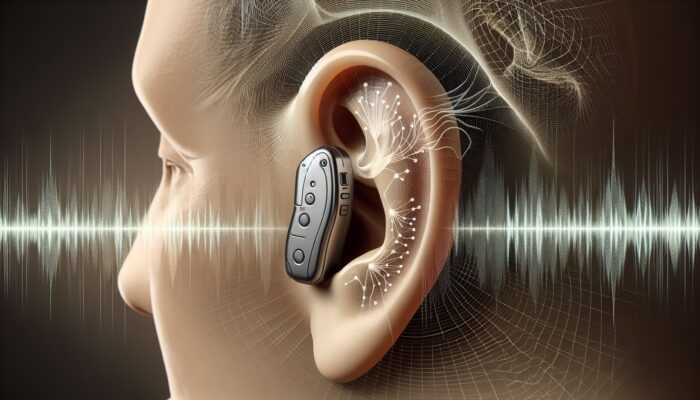
Categories
Health & Wellness Hearing Solutions

Custom Hearing Aids: Discover Their Key Benefits

Last Updated on 01/02/2026 by Admin

Discover the Vital Role of Custom Hearing Aids in Enhancing Your Auditory Experience

Understanding the Core Principles Behind Custom Hearing Aids

Custom hearing aids serve as essential tools meticulously designed to cater to the unique auditory requirements of each individual. By providing tailored sound amplification and unparalleled comfort, these devices significantly enhance daily communication and the overall quality of life for individuals experiencing various forms of hearing impairment. In contrast to standard models, custom hearing aids are specifically crafted to accommodate the user’s distinct hearing loss patterns and personal preferences. The customization process involves several critical factors, including:

  • Ear impressions taken to ensure an impeccable fit
  • Digital sound processing capabilities that guarantee superior sound quality
  • Adaptive noise reduction technologies designed to minimise background disturbances
  • Feedback management systems to enhance overall listening experiences
  • Wireless connectivity features for seamless integration with various devices
  • Durable materials that ensure longevity of the product
  • Adjustable settings tailored to diverse environments
  • Compatibility with smartphones and other gadgets for improved usability

This comprehensive strategy not only maximises user comfort but also guarantees exceptional sound quality and clarity. With custom hearing aids, users gain the ability to navigate their surroundings and engage in conversations without the fatigue often associated with hearing loss. This personalised fit fosters independence and empowerment, critical for enhancing social interactions and emotional well-being.

How Do Custom Hearing Aids Tackle Common Hearing Difficulties?

Custom hearing aids are specifically designed to overcome the unique challenges faced by individuals with hearing loss. A common issue is the difficulty in distinguishing speech from background noise, especially in social settings such as restaurants or public gatherings. These advanced devices employ cutting-edge technology to reduce background noise while enhancing speech clarity, making conversations smoother and more enjoyable.

By adapting to the user’s specific hearing loss patterns, custom hearing aids significantly lessen the cognitive load often linked to interpreting speech in challenging auditory environments. This adaptability empowers users to engage fully in conversations, boosting their confidence and alleviating feelings of frustration or isolation frequently associated with hearing loss. Moreover, these aids can automatically adjust settings based on the acoustic environment, ensuring optimal performance in various settings.

The significance of these devices transcends mere functionality; they play a crucial role in supporting mental health and fostering social connections. Users can actively partake in social interactions, improving their quality of life, self-esteem, and emotional well-being. This holistic approach to addressing hearing loss challenges underscores the indispensable nature of custom hearing aids for effective communication support.

Unlocking Everyday Benefits of Custom Hearing Aids

The everyday benefits of using custom hearing aids are extensive and profoundly impactful. By providing a personalised fit and incorporating advanced features, these devices enable users to engage more fully in conversations and activities, which is vital for maintaining both social and emotional health. When individuals can hear clearly, they are more likely to participate actively in social situations, build deeper connections, and ultimately enjoy a richer life experience.

Custom hearing aids are designed to adapt seamlessly to various listening environments, ensuring that users transition comfortably between settings, whether at home, work, or in public spaces. This adaptability is essential for preserving a sense of independence and autonomy as users navigate daily life. Enhanced sound quality and clarity lead to reduced auditory fatigue, a major concern for many individuals experiencing hearing loss. This decreased fatigue allows users to engage more fully without feeling overwhelmed by their auditory environment.

Additionally, the advanced features found in custom hearing aids often include connectivity options with smartphones and other devices, further enhancing their utility. This integration allows users not only to hear phone calls and music more clearly but also to access various applications directly, facilitating seamless communication and enriching their overall lifestyle.

Examining the Impact of Custom Hearing Aids Across Different Age Groups

Custom hearing aids play a pivotal role across diverse age groups, effectively addressing the distinct auditory needs of children, adults, and seniors alike. For children, early detection and intervention are vital, as these devices support developmental milestones, enhance learning capabilities, and foster social interactions with peers. By ensuring that young users can hear and engage within their environments, custom aids equip them with the necessary tools for success in educational settings.

For adults, custom hearing aids offer essential support in both professional and social contexts, enhancing communication skills and reducing the barriers associated with hearing loss. This personalised approach enables adults to maintain their relationships and professional networks, which is crucial for emotional and social well-being.

Seniors, on the other hand, often encounter unique challenges related to hearing loss that can negatively impact their quality of life. Custom hearing aids tailored specifically for this demographic not only enhance their ability to communicate effectively but also promote independence. By addressing the specific auditory challenges seniors face, these devices contribute to improved mental health and decreased feelings of isolation. The tailored approach ensures that users across all life stages can benefit from enhanced hearing, making custom hearing aids essential for varied age groups.

Revolutionary Innovations Transforming Custom Hearing Aid Technology

The realm of hearing aids has witnessed remarkable advancements, particularly with the emergence of custom hearing aids. Recent innovations, such as AI-driven adjustments and wireless connectivity, have revolutionised the way users experience sound. These technological breakthroughs facilitate enhanced sound processing capabilities, allowing for more precise adjustments based on the user’s unique environment.

AI-driven technology can learn from the user’s listening preferences and automatically modify settings to optimise sound quality. This means that users no longer need to navigate through buttons or complicated settings; the device intuitively adapts to their surroundings, providing a seamless listening experience. Furthermore, the incorporation of wireless connectivity empowers users to connect their hearing aids to smartphones, televisions, and other devices, simplifying communication and entertainment.

Moreover, these technological advancements greatly enhance accessibility. Individuals with hearing loss can now benefit from features that reduce auditory fatigue and enrich the overall user experience. The emphasis on user-friendly designs ensures that individuals can navigate their auditory environments effortlessly, highlighting the significance of custom hearing aids in contemporary hearing care. As technology continues to evolve, the potential for even greater personalisation and adaptability in hearing aids is on the horizon, solidifying their role as indispensable tools in hearing health management.

How Do Custom Hearing Aids Elevate Hearing Quality?

What Impact Do They Have on Sound Clarity?

Custom hearing aids fundamentally enhance sound clarity through sophisticated sound processing techniques. These devices are meticulously crafted to improve auditory comprehension, enabling users to distinguish speech from background noise with greater ease. By amplifying specific frequencies that users struggle to hear, custom hearing aids provide a more comprehensive auditory experience.

The technology behind these aids facilitates nuanced sound processing, which is particularly advantageous in complex listening environments, such as crowded restaurants or busy streets. Users can engage in conversations without the strain of trying to hear, significantly enhancing their communication skills and social interactions. This clarity is not only essential for everyday conversations but also for nurturing relationships, as clear auditory cues foster deeper and more meaningful exchanges.

Additionally, the development of directional microphones in custom hearing aids plays a pivotal role in enhancing sound clarity. These microphones can focus on sounds originating from specific directions, effectively filtering out irrelevant background noise. This feature proves particularly beneficial in dynamic environments, where users might otherwise feel overwhelmed by competing sounds.

In essence, the sound clarity provided by custom hearing aids directly influences the quality of life for users. The ability to engage meaningfully in conversations fosters social connections and emotional well-being, making these devices invaluable resources for individuals grappling with hearing impairments.

Key Technologies Powering Custom Hearing Aids

The effectiveness of custom hearing aids relies on several key technologies designed to enhance user experience and auditory performance. At the core of these devices is advanced digital processing, which allows for precise tuning of frequencies to align with individual hearing needs. This digital technology ensures that users experience optimal performance tailored to their specific auditory profiles, giving them a significant advantage over traditional analog hearing aids.

Another crucial technology incorporated into custom hearing aids is adaptive noise reduction. This feature intelligently assesses sound environments and diminishes background noise, allowing users to focus on the sounds they wish to hear, such as conversations or music. By automatically adjusting to different environments, these devices enhance sound quality in various settings, promoting user comfort and clarity.

Feedback management systems are also vital components of custom hearing aids. These systems work to prevent unwanted feedback, which can be both distracting and uncomfortable for users. By mitigating feedback, the devices enhance overall listening experiences, allowing users to engage fully in conversations without interruptions.

Furthermore, wireless connectivity has transformed how users interact with their hearing aids. This feature enables users to connect their devices to smartphones and other technology, providing additional functionalities that enrich their auditory experiences. Whether it is streaming music, receiving phone calls, or adjusting settings via an app, the integration of technology in custom hearing aids supports a more connected and user-friendly experience.

In summary, the combination of these technologies contributes to the high-performance capabilities of custom hearing aids, ensuring that users receive the best auditory support tailored to their specific needs.

Long-Term Benefits of Using Custom Hearing Aids

The long-term advantages of wearing custom hearing aids extend beyond immediate auditory improvements, impacting overall cognitive function and quality of life. Research indicates that consistent use of these devices can effectively prevent further hearing decline, which is critical for maintaining auditory health over time. By encouraging users to actively engage with their environments, custom hearing aids help sustain auditory pathways and support cognitive processing.

Utilising custom hearing aids fosters better communication, which is directly linked to enhanced cognitive health. Users who actively participate in conversations tend to experience greater mental stimulation, reducing the risk of cognitive decline associated with isolation or inactivity. This positive impact on mental health is particularly significant for older adults, who may be more vulnerable to both hearing loss and cognitive challenges.

Moreover, users frequently report higher satisfaction with their auditory health when using custom hearing aids. The personalised fit and tailored adjustments not only lead to improved hearing but also contribute to a greater sense of control over their auditory environments. This sense of empowerment fosters confidence and encourages social interactions, further enhancing emotional well-being.

In a world where communication is vital, the long-term effects of wearing custom hearing aids underscore their importance in preserving not just hearing ability but also overall quality of life. By supporting both auditory and cognitive health, these devices represent an investment in a brighter, more connected future for individuals with hearing impairments.

Tailored Hearing Solutions for Diverse Lifestyles

The personalisation of custom hearing aids stands out as one of their most significant advantages, catering to the diverse lifestyles of users. These devices are customised to align with individual preferences, ensuring they integrate seamlessly into daily routines. Custom hearing aids can be programmed with adjustable settings that adapt to various environments, enhancing user comfort and satisfaction.

For instance, users who frequently attend social events can have their devices configured to prioritise speech recognition in noisy settings, while those who spend time in quieter spaces can enjoy enhanced sound fidelity for music or podcasts. This advanced level of customisation allows individuals to experience superior auditory clarity, regardless of their surroundings, ultimately promoting consistent use and improving hearing outcomes.

Moreover, the adaptability of custom hearing aids means they can cater to users with varying degrees of hearing loss and individual lifestyle requirements. Whether an individual is an active professional, a student, or a retiree, their hearing aids can be designed to support their specific auditory demands. This personalisation fosters a sense of ownership over their hearing health, motivating users to wear their devices consistently and confidently.

Furthermore, ongoing advancements in technology enable even greater personalisation. With features like smartphone compatibility and remote adjustments from audiologists, users can fine-tune their settings based on real-time feedback and preferences. This level of engagement with their devices enhances user satisfaction and ensures that custom hearing aids remain integral to their daily lives.

Expert Insights on the Importance of Custom Hearing Aids

Comprehending Advanced Features of Custom Hearing Aids

Selecting the appropriate custom hearing aids can be a daunting task, but understanding the advanced features available can simplify the decision-making process. Experts recommend evaluating features that enhance personalised sound adjustments, such as digital sound processing and adaptive noise reduction. These features play crucial roles in delivering tailored auditory experiences, ensuring users receive maximum benefit from their devices.

A practical approach involves consulting with an audiologist who specialises in custom hearing aids. They can conduct comprehensive assessments to identify individual hearing profiles, ensuring selections are based on specific needs. Real-world examples from professional practices highlight the importance of this step; for example, a user with high-frequency hearing loss may significantly benefit from aids that specifically amplify those frequencies.

The use of telehealth services for remote adjustments is another aspect worth considering. This technology allows audiologists to fine-tune settings without requiring users to visit clinics in person. Such flexibility empowers users to adapt their devices swiftly based on their current environments, enhancing overall experience and satisfaction.

Choosing custom hearing aids equipped with these advanced features not only improves auditory performance but also supports long-term user satisfaction. When users feel confident that their hearing aids are tailored to their specific needs, they are more likely to wear them consistently, leading to improved auditory health outcomes over time.

Why Is Personalisation in Hearing Aids Essential?

The importance of personalisation in custom hearing aids cannot be overstated. Experts agree that tailored devices yield superior outcomes by closely aligning with users’ unique hearing profiles. This individualised approach promotes sustained use, which is vital for effective hearing management. Users who believe their devices cater to their specific needs are more likely to engage actively with their hearing aids, leading to improved communication and social interactions.

Custom hearing aids offer personalised settings that enable users to adjust their devices to fit various environments, which is particularly beneficial for individuals who frequently transition between different listening situations. For instance, a user may require different settings for a tranquil home environment compared to a bustling café. This adaptability ensures that users can maintain optimal hearing in diverse situations, enhancing their overall experience and satisfaction.

Moreover, the connection between personalisation and user acceptance is crucial. When individuals perceive their hearing aids as specifically designed for them, they are more inclined to embrace the technology and incorporate it into their lives. This acceptance often translates into increased confidence and reduced stigma associated with wearing hearing aids, further enhancing emotional well-being.

Ultimately, the focus on personalised solutions in custom hearing aids significantly contributes to their effectiveness, aligning with individual needs and lifestyles. This tailored approach enhances user satisfaction, promotes independence, and supports better auditory health.

Integrating Custom Hearing Aids into Daily Life Effortlessly

The seamless integration of custom hearing aids into daily life is a vital consideration for users. Experts emphasise that these devices are designed to enhance user independence by addressing potential challenges through customised solutions. For instance, individuals active in professional settings can benefit from hearing aids that adapt to office environments, minimising background noise while enhancing speech clarity.

Moreover, the convenience offered by custom hearing aids extends to daily activities. With features like Bluetooth connectivity, users can stream phone calls and music directly to their devices, facilitating a more connected lifestyle. This integration not only improves the auditory experience but also simplifies interactions with technology, making it easier for users to remain engaged with their surroundings.

The significance of user-friendly designs cannot be overlooked. Many contemporary custom hearing aids feature touch controls or mobile apps that allow users to adjust settings effortlessly. This ease of use is particularly important for individuals who may be less familiar with technology, ensuring that they can maximise the benefits of their devices without feeling overwhelmed.

Furthermore, the support of audiologists and hearing care professionals is crucial for integration. Regular follow-ups and adjustments ensure that users can navigate any challenges they encounter in their daily lives, ultimately leading to more positive experiences with their custom hearing aids. This comprehensive approach underscores the importance of embedding hearing aids into daily routines, enhancing both functionality and overall quality of life.

Research-Backed Benefits of Custom Hearing Aids

What Evidence Supports Their Effectiveness?

Numerous studies have validated the effectiveness of custom hearing aids in significantly enhancing hearing accuracy and user satisfaction. Research consistently indicates that individuals using these tailored devices experience improved auditory clarity, leading to better communication and an enhanced quality of life. This evidence reinforces the assertion that custom hearing aids are a reliable solution for managing various auditory conditions.

For instance, studies have shown that users of custom hearing aids report heightened levels of satisfaction compared to those using generic devices. This satisfaction is attributed to the personalised nature of custom aids, which cater to individual hearing profiles and preferences. The outcome is a more comfortable and effective auditory experience, emphasising the importance of selecting devices tailored specifically for the user.

Moreover, research suggests that custom hearing aids contribute to improved psychological well-being by alleviating feelings of isolation and frustration associated with hearing loss. Social interactions improve dramatically when individuals can hear clearly, leading to stronger relationships and a more vibrant lifestyle. This social engagement is essential for mental health, providing users with a sense of belonging and emotional support.

The compelling evidence supporting the effectiveness of custom hearing aids solidifies their role as essential tools in hearing health management. By enhancing auditory clarity and fostering social connections, these devices significantly contribute to the overall well-being of individuals with hearing impairments.

In What Ways Do They Enhance Quality of Life?

Custom hearing aids play a vital role in elevating the quality of life for individuals with hearing loss. The benefits extend far beyond mere auditory enhancement, significantly influencing emotional health and social interactions. Research has identified several pathways through which these devices contribute to a better quality of life, including:

  • Reducing feelings of isolation by facilitating social engagement
  • Enhancing communication skills, leading to improved relationships
  • Boosting self-esteem and confidence in social settings
  • Providing a sense of control over one’s auditory environment
  • Encouraging participation in community activities and events
  • Contributing to overall mental health by alleviating stress and anxiety
  • Improving cognitive function through active engagement
  • Promoting independence in daily activities

By addressing the challenges linked to hearing loss, custom hearing aids empower users to interact with the world around them more effectively. The reduction of communication barriers enables individuals to maintain relationships, engage in conversations, and participate in various social activities, which are crucial for emotional well-being.

The positive impact of custom hearing aids on mental health is particularly noteworthy. Users often report lower levels of anxiety and stress when they can hear clearly, leading to a more optimistic outlook on life. This enhancement in emotional health contributes to overall life satisfaction, making custom hearing aids an invaluable resource for individuals facing the challenges of hearing loss.

Identifying Potential Drawbacks and Solutions

While custom hearing aids are highly effective, users may encounter potential drawbacks that can influence their experience. Research indicates that proper maintenance is crucial for avoiding issues and ensuring lasting performance. Common challenges include battery life concerns, feedback problems, and physical comfort.

To mitigate these challenges, users should engage in regular maintenance and adhere to recommended care routines. For instance, ensuring batteries are replaced promptly and cleaning devices routinely can prevent performance issues. Users can also consult with audiologists for troubleshooting tips and adjustments, ensuring that their hearing aids remain in optimal condition.

Another potential drawback is the initial adjustment period, during which users may experience discomfort or encounter feedback issues. It is essential for users to allow themselves time to acclimate to their devices, as this period often results in improved comfort and performance. Audiologists can provide guidance on proper fitting and adjustments that enhance comfort during this transition.

Lastly, technological advancements continue to address common concerns associated with hearing aids. Newer models incorporate features that minimise feedback and enhance battery life, making them more user-friendly and efficient. By staying informed about these innovations, users can ensure they are utilising the best available technology for their needs.

In summary, while there may be potential drawbacks to using custom hearing aids, proactive maintenance, professional support, and awareness of technological advancements can help users effectively navigate these challenges. This approach ensures that custom hearing aids continue to fulfil their essential role in improving hearing and enhancing quality of life.

What Are the Key Features of Custom Hearing Aids?

How Are They Tailored for Individual Users?

The customisation of hearing aids involves a comprehensive assessment process to align with specific hearing requirements. This process begins with a thorough audiological evaluation, which aids audiologists in understanding an individual’s unique hearing profile. Following this assessment, ear impressions are taken to ensure a precise fit, resulting in devices that deliver optimal functionality and comfort.

Custom hearing aids are engineered to accommodate varying levels of hearing loss, ranging from mild to profound. By tailoring the amplification settings to meet the specific needs of each user, these devices ensure that individuals receive the appropriate level of sound enhancement for their unique circumstances. This personalisation is crucial as it allows users to engage more fully in conversations and activities, ultimately enhancing their overall quality of life.

Furthermore, the incorporation of advanced technologies further enhances the customisation process. Features such as digital sound processing and adaptive noise reduction can be calibrated to suit different listening environments, ensuring that users can transition smoothly between various settings. This adaptability is a significant advantage of custom hearing aids, as it addresses the diverse auditory demands of everyday life.

In summary, the meticulous customisation of hearing aids involves a combination of detailed assessments and advanced technology, resulting in devices that are tailored to individual needs. This personalised approach is essential for maximising the benefits of hearing aids and ensuring user satisfaction.

Emerging Innovations in Hearing Aid Design

The design of custom hearing aids is continually evolving, propelled by technological advancements that enhance their functionality and user experience. Emerging innovations include wireless connectivity and adaptive programming, making these devices more versatile and user-friendly in everyday scenarios.

Wireless connectivity has revolutionised how users interact with their hearing aids. With Bluetooth technology, individuals can stream audio directly from their smartphones or other devices, facilitating effortless communication and entertainment. This integration not only enhances the user experience but also promotes a more connected lifestyle, as users can enjoy music, phone calls, and other audio content without the barriers often associated with hearing loss.

Adaptive programming is another significant innovation in custom hearing aids. This feature allows devices to automatically adjust settings based on the user’s environment, ensuring optimal performance in various listening situations. For instance, when entering a bustling café, the hearing aid can detect the increased background noise and adjust accordingly, enhancing speech clarity while minimising distractions.

These emerging innovations are designed to improve user satisfaction and promote better hearing health. As technology continues to advance, users can anticipate even greater personalisation and adaptability in custom hearing aids, solidifying their role as essential tools for effective hearing management.

Guidelines for Maintenance and Care

Proper maintenance and care are vital for sustaining the performance of custom hearing aids, ensuring they remain effective and reliable for ongoing auditory support. Users should adopt regular cleaning routines to prevent the accumulation of earwax and debris, which can lead to malfunctions and diminished sound quality.

Routine maintenance should include gently wiping the hearing aids with a soft, dry cloth to eliminate moisture and dirt. Additionally, it’s essential to follow manufacturer-recommended cleaning solutions to maintain hygiene without damaging the devices. Users should also inspect the fittings and tubing for any signs of wear and replace components as necessary to ensure optimal performance.

Regular check-ups with audiologists are crucial for fine-tuning devices and addressing any concerns users may have. These evaluations assist in identifying wear and optimising settings, ensuring that hearing aids continue to function effectively over time. Users should feel empowered to communicate any issues they experience, as early intervention can prevent more significant problems down the line.

In summary, establishing a routine for maintenance and care is vital for prolonging the lifespan and effectiveness of custom hearing aids. By prioritising cleanliness and regular evaluations, users can ensure that their devices remain reliable companions in their journeys toward better hearing health.

How to Maintain Your Custom Hearing Aids

Why Are Regular Check-Ups Essential?

Regular check-ups are a fundamental aspect of maintaining custom hearing aids, ensuring they continue to function effectively and meet the user’s auditory needs. These evaluations provide an opportunity for audiologists to assess the performance of the devices and make necessary adjustments based on the user’s feedback and changing hearing profile.

During check-ups, audiologists can identify signs of wear and address any technical issues that may have arisen. This proactive approach helps maintain the integrity of the devices, ensuring that users do not experience performance declines. Furthermore, regular evaluations allow audiologists to stay informed about advancements in hearing technology, enabling them to recommend updates or enhancements that can benefit the user.

Additionally, these appointments foster a supportive relationship between users and audiologists. Users can express any concerns they have regarding comfort, sound quality, or functionality, ensuring that their needs are consistently met. This ongoing communication is essential for long-term user satisfaction and effective hearing management.

In conclusion, regular check-ups are essential for maintaining custom hearing aids, ensuring optimal performance and user satisfaction. By staying connected with audiologists, users can navigate their hearing journeys with confidence and ease.

Identifying Common Issues and Their Solutions

Users of custom hearing aids may encounter several common issues that can affect their experience. One frequent challenge is feedback, which can occur when sounds escape the ear canal and are re-amplified by the device. This issue can be resolved through proper fitting and adjustments made by audiologists, ensuring that the devices are snug and comfortable.

Another common concern is battery life. Users may experience shorter battery durations due to factors such as excessive sound amplification or environmental conditions. Regularly checking battery levels and replacing them as needed can help mitigate this issue. Users should also consider investing in rechargeable batteries, which can provide a more convenient and sustainable solution.

Physical discomfort is another concern that some users may experience, especially if they are new to wearing hearing aids. Audiologists can offer adjustments to improve the fit and comfort of the devices, ensuring that users have a positive experience. Regular follow-ups are crucial for addressing these concerns and enhancing user satisfaction.

In summary, understanding common issues and their solutions empowers users to maintain their custom hearing aids effectively. By engaging with audiologists and following maintenance recommendations, users can enjoy a seamless auditory experience.

Ensuring Longevity and Exploring Upgrades

The longevity of custom hearing aids is a crucial consideration for users, as these devices represent an investment in their auditory health. Over time, advancements in technology and changes in individual hearing profiles may necessitate upgrades to ensure optimal performance. Staying informed about new features and innovations is vital for users seeking to enhance their auditory experience continuously.

Audiologists play a pivotal role in guiding users through the upgrade process. Regular check-ups provide opportunities for audiologists to evaluate users’ needs and recommend upgrades that align with their evolving hearing requirements. For instance, users may benefit from newer models that incorporate advanced sound processing technologies or improved battery life.

Additionally, users should be proactive in exploring their options for upgrading. Many manufacturers offer trade-in programmes or discounts for existing customers, making it easier to transition to newer models without significant financial burden.

Maintaining a focus on longevity and potential upgrades ensures that users can enjoy the best possible auditory experiences. By engaging with audiologists and staying informed about advancements, users can continue to benefit from custom hearing aids that adapt to their changing needs over time.

Cleaning and Care Protocols

A proper cleaning and care routine is essential for maintaining the performance and longevity of custom hearing aids. Users should adopt daily practices to prevent the buildup of earwax and moisture, which can lead to malfunctions and affect sound quality.

To clean hearing aids effectively, users should begin by removing any visible debris with a soft, dry cloth. Special attention should be paid to the microphone and receiver openings to ensure that sound pathways remain unobstructed. Users can also utilise manufacturer-recommended cleaning solutions and tools designed specifically for hearing aids to ensure thorough cleaning without causing damage.

It’s also crucial to establish a regular cleaning schedule. Users should clean their devices daily and perform more in-depth cleanings weekly to maintain optimal performance. Routine checks for earwax buildup around the fittings and tubing can prevent potential issues.

In summary, maintaining a consistent cleaning and care routine is vital for ensuring that custom hearing aids remain effective and reliable. By prioritising cleanliness, users can enhance their auditory experience and prolong the lifespan of their devices.

Guidelines for Storage and Protection

Proper storage and protection of custom hearing aids are crucial for preserving their condition and functionality. Users should store their devices in a dry, ventilated case when not in use, protecting them from moisture, dust, and potential damage. This practice is particularly important in humid environments, where moisture can compromise the electronic components of the devices.

Using dehumidifying products, such as silica gel packets or specialised drying containers, can further safeguard hearing aids from moisture buildup. Users should avoid exposing their devices to extreme temperatures, as high heat or cold can affect their performance and battery life.

Additionally, users should be mindful of where they place their hearing aids during daily activities. Keeping them in a secure location, away from pets or small children, reduces the risk of accidental damage or loss.

In conclusion, proper storage and protection of custom hearing aids are essential for maintaining their condition and ensuring optimal performance. By following these tips, users can extend the lifespan of their devices, safeguarding their investment in their auditory health.

Frequently Asked Questions

What Are Custom Hearing Aids?

Custom hearing aids are specialised devices specifically tailored to meet the individual auditory needs of users, providing enhanced sound amplification, comfort, and improved communication.

How Do Custom Hearing Aids Differ from Traditional Models?

Unlike traditional hearing aids, which are often pre-manufactured, custom hearing aids are designed based on detailed assessments of a user’s hearing profile, ensuring a personalised fit and functionality.

What Are the Key Benefits of Using Custom Hearing Aids?

Custom hearing aids offer improved sound clarity, comfort, reduced background noise, and enhanced user satisfaction, significantly contributing to better communication and overall quality of life.

How Are Custom Hearing Aids Manufactured?

The process involves taking detailed ear impressions, conducting audiological evaluations, and then designing the devices to match the user’s specific hearing requirements and preferences.

What Technologies Are Incorporated in Custom Hearing Aids?

Custom hearing aids utilise advanced technologies such as digital sound processing, adaptive noise reduction, feedback management, and wireless connectivity for enhanced functionality.

Are Custom Hearing Aids Suitable for Children?

Yes, custom hearing aids are appropriate for children, as they can be tailored to support developmental milestones and educational success by addressing their specific hearing needs.

How Frequently Should I Have My Custom Hearing Aids Checked?

It is recommended to have custom hearing aids checked regularly, typically every six months, to ensure optimal performance and address any potential issues.

What Should I Do If My Custom Hearing Aids Are Not Functioning Properly?

If you encounter issues, consult your audiologist for troubleshooting, adjustments, or maintenance to ensure that your hearing aids function effectively.

How Can I Enhance My Experience with Custom Hearing Aids?

Consistent use, regular check-ups, and proper maintenance, including cleaning and storage, can significantly improve your experience with custom hearing aids.

Are There Any Risks Associated with Using Hearing Aids?

While generally safe, improper fitting or maintenance can lead to discomfort or reduced effectiveness. Regular visits to an audiologist can help mitigate these risks.

Stay updated with our latest on X!

The post Custom Hearing Aids: Key Benefits You Should Know appeared first on The Microsuction Ear Wax Removal Network.

Categories
Health & Wellness Hearing Solutions

Custom Hearing Aids: Discover Their Key Benefits

Last Updated on 01/02/2026 by Admin

Discover the Importance of Custom Hearing Aids for Improved Auditory Experiences

Understanding the Key Features and Functionality of Custom Hearing Aids

Custom hearing aids are essential devices meticulously designed to cater to the unique auditory needs of each individual. By providing tailored sound amplification and unparalleled comfort, they greatly enhance daily communication and overall quality of life for those experiencing various types of hearing impairments. Unlike generic models, these aids are specifically crafted to accommodate the user’s particular hearing loss patterns and preferences. The customization process includes several critical elements, which encompass:

This comprehensive approach to design not only maximises user comfort but also guarantees exceptional sound quality and clarity. With custom hearing aids, users are empowered to navigate their surroundings and engage in conversations without the fatigue often associated with hearing loss. This personalised fit fosters independence and empowerment, both critical for promoting social interactions and emotional well-being.

How Do Custom Hearing Aids Tackle Common Hearing Difficulties?

Custom hearing aids are expertly engineered to address the distinct challenges faced by individuals with hearing loss. A common issue is the difficulty in distinguishing speech from background noise, especially in social settings such as restaurants or public gatherings. These advanced devices employ state-of-the-art technology to reduce background noise while enhancing speech clarity, making conversations more manageable and enjoyable.

By adapting to the user’s specific hearing loss patterns, custom hearing aids effectively alleviate the cognitive burden often associated with interpreting speech in challenging auditory environments. This adaptability allows users to participate fully in conversations, boosting their confidence and diminishing feelings of frustration or isolation that frequently accompany hearing loss. Moreover, these aids can automatically adjust settings based on the acoustic environment, ensuring superior performance across various settings.

The importance of these devices extends beyond mere functionality; they are instrumental in supporting mental health and fostering social connections. Users can engage actively in social interactions, significantly improving their quality of life, self-esteem, and emotional well-being. This holistic approach to addressing hearing loss challenges renders custom hearing aids indispensable for effective communication support.

Key Everyday Benefits of Custom Hearing Aids

The everyday advantages of using custom hearing aids are vast and highly impactful. By providing a bespoke fit and integrating advanced features, these devices empower users to engage more fully in conversations and activities, which is crucial for maintaining both social and emotional health. When individuals can hear clearly, they are more inclined to participate actively in social situations, forge deeper connections, and ultimately enjoy a richer life experience.

Custom hearing aids are designed to adapt smoothly to various listening environments, ensuring that users can transition comfortably between different settings, whether at home, work, or in public spaces. This adaptability is vital for preserving a sense of independence and autonomy as users navigate their daily lives. Enhanced sound quality and clarity lead to reduced auditory fatigue, a significant concern for many individuals with hearing loss. This reduction in fatigue allows users to engage more fully without feeling overwhelmed by their auditory surroundings.

Furthermore, the advanced features available in custom hearing aids often include connectivity options with smartphones and other devices, further enhancing their usability. This integration enables users not only to hear phone calls and music more clearly but also to access a range of applications directly, facilitating seamless communication and enriching their overall lifestyle.

Assessing the Impact of Custom Hearing Aids Across Different Age Groups

Custom hearing aids play a crucial role across various age groups, effectively addressing the unique auditory requirements of children, adults, and seniors alike. For children, early detection and intervention are essential, as these devices support developmental milestones, improve learning capabilities, and encourage social interactions with peers. By ensuring that young users can hear and engage in their environments, custom aids equip them with the necessary tools for success in educational settings.

For adults, custom hearing aids provide vital support in both professional and social contexts, enhancing communication skills and reducing the barriers associated with hearing loss. This personalised approach enables adults to maintain their relationships and professional networks, integral for emotional and social well-being.

Seniors, on the other hand, often face unique challenges related to hearing loss that can negatively impact their quality of life. Custom hearing aids specifically designed for this demographic not only enhance their ability to communicate effectively but also promote independence. By addressing the distinct auditory challenges seniors encounter, these devices contribute to improved mental health and reduced feelings of isolation. The tailored approach ensures that users across all life stages can benefit from enhanced hearing, making custom hearing aids essential for diverse age groups.

Innovative Advancements in Custom Hearing Aid Technology

The field of hearing aids has witnessed remarkable progress, particularly with the emergence of custom hearing aids. Recent innovations, such as AI-driven adjustments and wireless connectivity, have transformed how users experience sound. These technological advancements enhance sound processing capabilities, allowing for more precise adjustments based on the user’s unique environment.

AI-driven technology can learn from the user’s listening preferences and automatically modify settings to optimise sound quality. This means that users no longer need to navigate through buttons or complicated settings; the device intuitively adapts to their surroundings, delivering a seamless listening experience. Moreover, the incorporation of wireless connectivity empowers users to connect their hearing aids to smartphones, televisions, and various devices, simplifying communication and entertainment.

Additionally, these technological advancements greatly enhance accessibility. Individuals with hearing loss can now take advantage of features that minimise auditory fatigue and enrich the overall user experience. The emphasis on user-friendly designs ensures that individuals can navigate their auditory environments effortlessly, highlighting the significance of custom hearing aids in contemporary hearing care. As technology continues to evolve, the potential for even greater personalisation and adaptability in hearing aids is promising, solidifying their role as indispensable tools in hearing health management.

How Do Custom Hearing Aids Improve Hearing Quality?

What Effect Do They Have on Sound Clarity?

Custom hearing aids significantly enhance sound clarity through sophisticated sound processing techniques. These devices are specifically designed to improve auditory comprehension, enabling users to differentiate speech from background noise more effectively. By amplifying specific frequencies that users struggle to detect, custom hearing aids provide a more comprehensive auditory experience.

The technology behind these aids allows for nuanced sound processing, which is particularly beneficial in complex listening environments, such as crowded restaurants or busy streets. Users can engage in conversations without the strain of trying to hear, fundamentally enhancing their communication skills and social interactions. This clarity is crucial not only for everyday conversations but also for nurturing relationships, as clear auditory cues facilitate deeper and more meaningful exchanges.

Moreover, the development of directional microphones in custom hearing aids plays a pivotal role in improving sound clarity. These microphones concentrate on sounds coming from specific directions, effectively filtering out irrelevant background noise. This feature proves especially beneficial in dynamic environments, where users might otherwise feel overwhelmed by competing sounds.

In essence, the sound clarity provided by custom hearing aids directly influences the quality of life for users. The ability to engage meaningfully in conversations fosters social connections and emotional well-being, making these devices invaluable resources for individuals grappling with hearing impairments.

Crucial Technologies Found in Custom Hearing Aids

The effectiveness of custom hearing aids relies on several key technologies designed to enhance user experience and auditory performance. At the core of these devices is advanced digital processing, which allows for the precise tuning of frequencies to align with individual hearing needs. This digital technology ensures that users experience optimal performance tailored to their specific auditory profiles, providing a significant advantage over traditional analog hearing aids.

Another essential technology integrated into custom hearing aids is adaptive noise reduction. This feature intelligently assesses sound environments and reduces background noise, enabling users to focus on the sounds they wish to hear, such as conversations or music. By automatically adjusting to diverse environments, these devices enhance sound quality in various settings, promoting user comfort and clarity.

Feedback management systems are also vital components of custom hearing aids. These systems work to prevent unwanted feedback, which can be both distracting and uncomfortable for users. By minimising feedback, the devices enhance overall listening experiences, allowing users to engage fully in conversations without interruptions.

Furthermore, wireless connectivity has transformed how users interact with their hearing aids. This feature enables users to connect their devices to smartphones and other technology, providing additional functionalities that enrich their auditory experiences. Whether it involves streaming music, receiving phone calls, or adjusting settings via an app, the integration of technology in custom hearing aids supports a more connected and user-friendly experience.

In summary, the combination of these technologies contributes to the high-performance capabilities of custom hearing aids, ensuring that users receive the best auditory support tailored to their specific needs.

Long-Term Benefits of Custom Hearing Aids for Users

The long-term advantages of wearing custom hearing aids extend beyond immediate auditory enhancements, significantly impacting overall cognitive function and quality of life. Research indicates that consistent use of these devices can effectively prevent further hearing decline, which is critical for maintaining auditory health over time. By encouraging users to actively engage with their environments, custom hearing aids help sustain auditory pathways and support cognitive processing.

Utilising custom hearing aids promotes better communication, which is directly linked to improved cognitive health. Users who actively participate in conversations tend to experience enhanced mental stimulation, reducing the risk of cognitive decline associated with isolation or inactivity. This positive impact on mental health is especially significant for older adults, who may be more vulnerable to both hearing loss and cognitive challenges.

Moreover, users frequently report greater satisfaction with their auditory health when using custom hearing aids. The personalised fit and tailored adjustments not only lead to enhanced hearing but also contribute to a greater sense of control over their auditory environments. This sense of empowerment fosters confidence and encourages social interactions, further enhancing emotional well-being.

In a world where communication is vital, the long-term effects of wearing custom hearing aids underscore their importance in preserving not just hearing ability but also overall quality of life. By supporting both auditory and cognitive health, these devices represent an investment in a brighter, more connected future for individuals with hearing impairments.

Tailored Hearing Solutions for Diverse Lifestyles

The personalisation of custom hearing aids stands out as one of their most significant advantages, catering to the varied lifestyles of users. These devices are tailored to align with individual preferences, ensuring they integrate seamlessly into daily routines. Custom hearing aids can be programmed with adjustable settings that adapt to various environments, enhancing user comfort and satisfaction.

For instance, users who frequently attend social events can have their devices configured to prioritise speech recognition in noisy settings, while those who spend time in quieter spaces can enjoy enhanced sound fidelity for music or podcasts. This level of customisation allows individuals to experience superior auditory clarity, regardless of their surroundings, ultimately promoting consistent use and improving hearing outcomes.

Moreover, the adaptability of custom hearing aids means they can cater to users with differing degrees of hearing loss and specific lifestyle requirements. Whether an individual is an active professional, a student, or a retiree, their hearing aids can be designed to support their specific auditory demands. This personalisation fosters a sense of ownership over their hearing health, motivating users to wear their devices consistently and confidently.

Furthermore, ongoing advancements in technology facilitate even greater personalisation. With features like smartphone compatibility and remote adjustments from audiologists, users can fine-tune their settings based on real-time feedback and preferences. This level of engagement with their devices enhances user satisfaction and ensures that custom hearing aids remain integral to their daily lives.

Expert Perspectives on the Importance of Custom Hearing Aids

Evaluating Advanced Features of Custom Hearing Aids

Selecting the appropriate custom hearing aids can be a challenging process, but understanding the advanced features available can simplify decision-making. Experts recommend evaluating features that enhance personalised sound adjustments, such as digital sound processing and adaptive noise reduction. These features play crucial roles in delivering tailored auditory experiences, ensuring users derive maximum benefit from their devices.

A practical approach involves consulting with an audiologist who specialises in custom hearing aids. They can perform comprehensive evaluations to identify individual hearing profiles, ensuring selections are based on specific needs. Real-world examples from professional practices emphasise the importance of this step; for instance, a user with high-frequency hearing loss might significantly benefit from aids that specifically amplify those frequencies.

The utilisation of telehealth services for remote adjustments is another aspect worth considering. This technology allows audiologists to fine-tune settings without requiring users to visit clinics in person. Such flexibility empowers users to adapt their devices swiftly based on their current environments, enhancing overall experience and satisfaction.

Choosing custom hearing aids equipped with these advanced features not only enhances auditory performance but also supports long-term user satisfaction. When users feel confident that their hearing aids are tailored to their specific needs, they are more likely to wear them consistently, leading to improved auditory health outcomes over time.

Why Personalisation in Hearing Aids Is Vital for Success

The significance of personalisation in custom hearing aids cannot be overstated. Experts agree that tailored devices yield superior outcomes by closely aligning with users’ unique hearing profiles. This individualised approach encourages sustained use, which is vital for effective hearing management. Users who feel their devices cater to their specific needs are more likely to engage actively with their hearing aids, leading to improved communication and social interactions.

Custom hearing aids offer personalised settings that enable users to adjust their devices to fit various environments, which is particularly beneficial for individuals who frequently transition between different listening situations. For example, a user may require different settings for a quiet home environment compared to a bustling café. This adaptability ensures that users can maintain optimal hearing in diverse situations, enhancing their overall experience and satisfaction.

Moreover, the connection between personalisation and user acceptance is critical. When individuals perceive their hearing aids as specifically designed for them, they are more inclined to embrace the technology and incorporate it into their lives. This acceptance often translates into increased confidence and reduced stigma associated with wearing hearing aids, further enhancing emotional well-being.

Ultimately, the focus on personalised solutions in custom hearing aids significantly contributes to their effectiveness, aligning with individual needs and lifestyles. This tailored approach enhances user satisfaction, promotes independence, and supports better auditory health.

Effortless Integration of Custom Hearing Aids into Daily Life

The effortless integration of custom hearing aids into daily life is a critical consideration for users. Experts stress that these devices are designed to enhance user independence by addressing potential challenges through customised solutions. For example, individuals active in professional settings can benefit from hearing aids that adapt to office environments, minimising background noise while enhancing speech clarity.

Moreover, the convenience provided by custom hearing aids extends to daily activities. With features like Bluetooth connectivity, users can stream phone calls and music directly to their devices, facilitating a more connected lifestyle. This integration not only improves the auditory experience but also simplifies interactions with technology, making it easier for users to remain engaged with their surroundings.

The importance of user-friendly designs cannot be overlooked. Many contemporary custom hearing aids feature touch controls or mobile apps that allow users to adjust settings effortlessly. This ease of use is particularly important for individuals who may be less familiar with technology, ensuring that they can maximise the benefits of their devices without feeling overwhelmed.

Furthermore, the support of audiologists and hearing care professionals is vital for integration. Regular follow-ups and adjustments ensure that users can navigate any challenges they encounter in their daily lives, ultimately leading to more positive experiences with their custom hearing aids. This comprehensive approach underscores the importance of embedding hearing aids into daily routines, enhancing both functionality and overall quality of life.

Research-Backed Benefits of Custom Hearing Aids

What Evidence Supports Their Effectiveness?

Numerous studies have validated the effectiveness of custom hearing aids in significantly enhancing hearing accuracy and user satisfaction. Research consistently highlights that individuals using these tailored devices experience improved auditory clarity, leading to better communication and an enhanced quality of life. This evidence reaffirms the assertion that custom hearing aids are a reliable solution for managing diverse auditory conditions.

For example, studies have shown that users of custom hearing aids report heightened levels of satisfaction compared to those using generic devices. This satisfaction is attributed to the personalised nature of custom aids, which cater to individual hearing profiles and preferences. The outcome is a more comfortable and effective auditory experience, emphasising the importance of selecting devices tailored specifically for the user.

Moreover, research indicates that custom hearing aids contribute to improved psychological well-being by alleviating feelings of isolation and frustration associated with hearing loss. Social interactions improve dramatically when individuals can hear clearly, leading to stronger relationships and a more vibrant lifestyle. This social engagement is essential for mental health, providing users with a sense of belonging and emotional support.

The compelling evidence supporting the effectiveness of custom hearing aids solidifies their role as essential tools in hearing health management. By enhancing auditory clarity and fostering social connections, these devices significantly contribute to the overall well-being of individuals with hearing impairments.

In What Ways Do They Enhance Quality of Life?

Custom hearing aids play a pivotal role in improving the quality of life for individuals with hearing loss. The benefits extend far beyond mere auditory enhancement, significantly influencing emotional health and social interactions. Research has identified several ways through which these devices contribute to a better quality of life, including:

  • Reducing feelings of isolation by facilitating social engagement
  • Enhancing communication skills, leading to improved relationships
  • Boosting self-esteem and confidence in social settings
  • Providing a sense of control over one’s auditory environment
  • Encouraging participation in community activities and events
  • Contributing to overall mental health by alleviating stress and anxiety
  • Improving cognitive function through active engagement
  • Promoting independence in daily activities

By addressing the challenges linked to hearing loss, custom hearing aids empower users to interact with the world around them more effectively. The reduction of communication barriers enables individuals to maintain relationships, engage in conversations, and partake in various social activities, which are crucial for emotional well-being.

The positive impact of custom hearing aids on mental health is particularly noteworthy. Users often report lower levels of anxiety and stress when they can hear clearly, leading to a more optimistic outlook on life. This enhancement in emotional health contributes to overall life satisfaction, making custom hearing aids an invaluable resource for individuals facing the challenges of hearing loss.

Identifying Potential Drawbacks and Their Solutions

While custom hearing aids are highly effective, users may encounter potential drawbacks that can influence their experience. Research indicates that proper maintenance is crucial for avoiding issues and ensuring lasting performance. Common challenges include battery life concerns, feedback problems, and physical comfort.

To mitigate these challenges, users should engage in regular maintenance and adhere to recommended care routines. For instance, ensuring batteries are replaced promptly and cleaning devices routinely can prevent performance issues. Users can also consult with audiologists for troubleshooting tips and adjustments, ensuring that their hearing aids remain in optimal condition.

Another potential drawback is the initial adjustment period, during which users may feel discomfort or experience feedback. It is essential for users to allow themselves time to acclimate to their devices, as this period often results in improved comfort and performance. Audiologists can provide guidance on proper fitting and adjustments that enhance comfort during this transition.

Lastly, technological advancements continue to address common concerns associated with hearing aids. Newer models incorporate features that minimise feedback and enhance battery life, making them more user-friendly and efficient. By staying informed about these innovations, users can ensure they are utilising the best available technology for their needs.

In summary, while there may be potential drawbacks to using custom hearing aids, proactive maintenance, professional support, and awareness of technological advancements can help users effectively navigate these challenges. This approach ensures that custom hearing aids continue to fulfil their essential role in improving hearing and enhancing quality of life.

What Are the Key Features of Custom Hearing Aids?

How Are They Tailored for Individual Users?

The customisation of hearing aids involves a comprehensive assessment process to align with specific hearing requirements. This process commences with a thorough audiological evaluation, which aids audiologists in understanding an individual’s unique hearing profile. Following this assessment, ear impressions are taken to guarantee a precise fit, resulting in devices that provide optimal functionality and comfort.

Custom hearing aids are engineered to accommodate varying levels of hearing loss, ranging from mild to profound. By tailoring the amplification settings to meet the specific needs of each user, these devices ensure that individuals receive the appropriate level of sound enhancement for their unique circumstances. This personalisation is crucial, as it allows users to engage more fully in conversations and activities, ultimately enhancing their overall quality of life.

Furthermore, the incorporation of advanced technologies further enhances the customisation process. Features such as digital sound processing and adaptive noise reduction can be calibrated to suit different listening environments, ensuring that users can transition seamlessly between various settings. This adaptability is a significant advantage of custom hearing aids, as it addresses the diverse auditory demands of everyday life.

In summary, the meticulous customisation of hearing aids involves a combination of detailed assessments and advanced technology, resulting in devices that are tailored to individual needs. This personalised approach is essential for maximising the benefits of hearing aids and ensuring user satisfaction.

Emerging Innovations in Hearing Aid Design

The design of custom hearing aids is continually evolving, driven by technological advancements that enhance their functionality and user experience. Emerging innovations include wireless connectivity and adaptive programming, making these devices more versatile and user-friendly in everyday scenarios.

Wireless connectivity has revolutionised how users interact with their hearing aids. With Bluetooth technology, individuals can stream audio directly from their smartphones or other devices, facilitating effortless communication and entertainment. This integration not only enhances the user experience but also promotes a more connected lifestyle, as users can enjoy music, phone calls, and other audio content without the barriers often associated with hearing loss.

Adaptive programming is another significant innovation in custom hearing aids. This feature allows devices to automatically adjust settings based on the user’s environment, ensuring optimal performance in various listening situations. For instance, when entering a bustling café, the hearing aid can detect the increased background noise and adjust accordingly, enhancing speech clarity while minimising distractions.

These emerging innovations are designed to improve user satisfaction and promote better hearing health. As technology continues to advance, users can anticipate even greater personalisation and adaptability in custom hearing aids, solidifying their role as essential tools for effective hearing management.

Maintenance and Care Guidelines for Optimal Performance

Proper maintenance and care are vital for sustaining the performance of custom hearing aids, ensuring they remain effective and reliable for ongoing auditory support. Users should adopt regular cleaning routines to prevent the accumulation of earwax and debris, which can lead to malfunctions and diminished sound quality.

Routine maintenance should include gently wiping the hearing aids with a soft, dry cloth to eliminate moisture and dirt. Additionally, it’s essential to follow manufacturer-recommended cleaning solutions to maintain hygiene without damaging the devices. Users should also inspect the fittings and tubing for any signs of wear and replace components as necessary to ensure optimal performance.

Regular check-ups with audiologists are crucial for fine-tuning devices and addressing any concerns users may have. These evaluations assist in identifying wear and optimising settings, ensuring that hearing aids continue to function effectively over time. Users should feel empowered to communicate any issues they experience, as early intervention can prevent more significant problems down the line.

In summary, establishing a routine for maintenance and care is vital for prolonging the lifespan and effectiveness of custom hearing aids. By prioritising cleanliness and regular evaluations, users can ensure that their devices remain reliable companions in their journeys toward better hearing health.

How to Maintain Your Custom Hearing Aids Effectively

Why Regular Check-Ups Are Essential for Optimal Functionality

Regular check-ups are a fundamental aspect of maintaining custom hearing aids, ensuring they continue to function effectively and meet the user’s auditory needs. These evaluations offer an opportunity for audiologists to assess the performance of the devices and make necessary adjustments based on the user’s feedback and evolving hearing profile.

During check-ups, audiologists can identify signs of wear and address any technical issues that may have arisen. This proactive approach helps maintain the integrity of the devices, ensuring that users do not experience performance declines. Furthermore, regular evaluations allow audiologists to stay informed about advancements in hearing technology, enabling them to recommend updates or enhancements that can benefit the user.

Additionally, these appointments foster a supportive relationship between users and audiologists. Users can express any concerns they have regarding comfort, sound quality, or functionality, ensuring that their needs are consistently met. This ongoing communication is essential for long-term user satisfaction and effective hearing management.

In conclusion, regular check-ups are essential for maintaining custom hearing aids, ensuring optimal performance and user satisfaction. By staying connected with audiologists, users can navigate their hearing journeys with confidence and ease.

Identifying Common Issues and Their Solutions for Users

Users of custom hearing aids may encounter several common issues that can affect their experience. One frequent challenge is feedback, which can occur when sounds escape the ear canal and are re-amplified by the device. This issue can be resolved through proper fitting and adjustments made by audiologists, ensuring that the devices are snug and comfortable.

Another common concern is battery life. Users may experience shorter battery durations due to factors such as excessive sound amplification or environmental conditions. Regularly checking battery levels and replacing them as needed can help mitigate this issue. Users should also consider investing in rechargeable batteries, which can provide a more convenient and sustainable solution.

Physical discomfort is another concern that some users may experience, especially if they are new to wearing hearing aids. Audiologists can offer adjustments to improve the fit and comfort of the devices, ensuring that users have a positive experience. Regular follow-ups are crucial for addressing these concerns and enhancing user satisfaction.

In summary, understanding common issues and their solutions empowers users to maintain their custom hearing aids effectively. By engaging with audiologists and following maintenance recommendations, users can enjoy a seamless auditory experience.

Ensuring Longevity and Exploring Upgrade Options

The longevity of custom hearing aids is a crucial consideration for users, as these devices represent an investment in their auditory health. Over time, advancements in technology and changes in individual hearing profiles may necessitate upgrades to ensure optimal performance. Staying informed about new features and innovations is vital for users seeking to enhance their auditory experience continuously.

Audiologists play a pivotal role in guiding users through the upgrade process. Regular check-ups provide opportunities for audiologists to evaluate users’ needs and recommend upgrades that align with their evolving hearing requirements. For instance, users may benefit from newer models that incorporate advanced sound processing technologies or improved battery life.

Additionally, users should be proactive in exploring their options for upgrading. Many manufacturers offer trade-in programmes or discounts for existing customers, making it easier to transition to newer models without significant financial burden.

Maintaining a focus on longevity and potential upgrades ensures that users can enjoy the best possible auditory experiences. By engaging with audiologists and staying informed about advancements, users can continue to benefit from custom hearing aids that adapt to their changing needs over time.

Cleaning and Care Protocols for Optimal Device Performance

A proper cleaning and care routine is essential for maintaining the performance and longevity of custom hearing aids. Users should adopt daily practices to prevent the buildup of earwax and moisture, which can lead to malfunctions and affect sound quality.

To clean hearing aids effectively, users should begin by removing any visible debris with a soft, dry cloth. Special attention should be paid to the microphone and receiver openings to ensure that sound pathways remain unobstructed. Users can also utilise manufacturer-recommended cleaning solutions and tools designed specifically for hearing aids to ensure thorough cleaning without causing damage.

It’s also crucial to establish a regular cleaning schedule. Users should clean their devices daily and perform more in-depth cleanings weekly to maintain optimal performance. Routine checks for earwax buildup around the fittings and tubing can prevent potential issues.

In summary, maintaining a consistent cleaning and care routine is vital for ensuring that custom hearing aids remain effective and reliable. By prioritising cleanliness, users can enhance their auditory experience and prolong the lifespan of their devices.

Storage and Protection Guidelines for Custom Hearing Aids

Proper storage and protection of custom hearing aids are crucial for preserving their condition and functionality. Users should store their devices in a dry, ventilated case when not in use, protecting them from moisture, dust, and potential damage. This practice is especially important in humid environments, where moisture can compromise the electronic components of the devices.

Using dehumidifying products, such as silica gel packets or specialised drying containers, can further safeguard hearing aids from moisture buildup. Users should avoid exposing their devices to extreme temperatures, as high heat or cold can affect their performance and battery life.

Additionally, users should be mindful of where they place their hearing aids during daily activities. Keeping them in a secure location, away from pets or small children, reduces the risk of accidental damage or loss.

In conclusion, proper storage and protection of custom hearing aids are essential for maintaining their condition and ensuring optimal performance. By following these tips, users can extend the lifespan of their devices, safeguarding their investment in their auditory health.

Frequently Asked Questions About Custom Hearing Aids

What Exactly Are Custom Hearing Aids?

Custom hearing aids are specialised devices specifically tailored to meet the individual auditory needs of users, providing enhanced sound amplification, comfort, and improved communication.

How Do Custom Hearing Aids Differ from Traditional Models?

Unlike traditional hearing aids, which are often pre-manufactured, custom hearing aids are designed based on detailed assessments of a user’s hearing profile, ensuring a personalised fit and functionality.

What Are the Key Benefits of Using Custom Hearing Aids?

Custom hearing aids offer improved sound clarity, comfort, reduced background noise, and enhanced user satisfaction, significantly contributing to better communication and overall quality of life.

How Are Custom Hearing Aids Manufactured?

The process involves taking detailed ear impressions, conducting audiological evaluations, and then designing the devices to match the user’s specific hearing requirements and preferences.

What Technologies Are Incorporated in Custom Hearing Aids?

Custom hearing aids utilise advanced technologies such as digital sound processing, adaptive noise reduction, feedback management, and wireless connectivity for enhanced functionality.

Are Custom Hearing Aids Suitable for Children?

Yes, custom hearing aids are appropriate for children, as they can be tailored to support developmental milestones and educational success by addressing their specific hearing needs.

How Frequently Should I Have My Custom Hearing Aids Checked?

It is recommended to have custom hearing aids checked regularly, typically every six months, to ensure optimal performance and address any potential issues.

What Should I Do If My Custom Hearing Aids Are Not Functioning Properly?

If you encounter issues, consult your audiologist for troubleshooting, adjustments, or maintenance to ensure that your hearing aids function effectively.

How Can I Enhance My Experience with Custom Hearing Aids?

Consistent use, regular check-ups, and proper maintenance, including cleaning and storage, can significantly improve your experience with custom hearing aids.

Are There Any Risks Associated with Using Hearing Aids?

While generally safe, improper fitting or maintenance can lead to discomfort or reduced effectiveness. Regular visits to an audiologist can help mitigate these risks.

Stay updated with our latest on X!

The post Custom Hearing Aids: Key Benefits You Should Know appeared first on The Microsuction Ear Wax Removal Network.

The post Custom Hearing Aids: Key Benefits You Should Know appeared first on Healthcare Marketing Service.

Categories
Health & Wellness Hearing Devices

Hearing Aids: Essential Insights and Top Buying Tips

Last Updated on 31/01/2026 by Admin

In-Depth Exploration of Hearing Loss and Its Effects on Life

What Are the Primary Contributors to Hearing Loss?

Hearing loss arises from a multitude of factors, including age-related changes and environmental influences such as exposure to loud sounds. As individuals age, the intricate structures of the ear gradually deteriorate, leading to a progressive decline in hearing ability. For example, a 70-year-old may struggle to engage in conversations within noisy settings like bustling restaurants or family gatherings due to decreased sensitivity to particular frequencies, especially higher pitches. This gradual decline highlights the crucial need for awareness concerning age-related hearing loss and its implications for social engagement.

Another common cause of hearing impairment is extended exposure to loud noises, whether from music, industrial machinery, or urban noise. This condition, known as noise-induced hearing loss, can develop gradually and may go unnoticed until substantial damage occurs. For instance, a construction worker who spends years on job sites without adequate hearing protection may encounter difficulties in hearing, which can create communication barriers and pose significant safety risks. Early detection of hearing loss is essential; recognising changes in auditory perception can encourage individuals to seek timely interventions that may prevent further deterioration of their hearing health.

Recognising these causes also emphasises their broader impact on everyday life. Hearing loss can lead to feelings of isolation, frustration, and anxiety, particularly when individuals find it challenging to fully engage in conversations or activities that were once enjoyable. By pursuing professional assessments at the first signs of hearing changes—such as difficulties in understanding speech or frequently asking others to repeat themselves—individuals can take proactive measures towards enhancing their hearing health and overall quality of life.

What Are the Critical Indicators of Hearing Problems?

Recognising the signs of hearing issues is vital for timely intervention. One of the most prevalent indicators is difficulty in conversations, particularly in noisy environments. Many individuals may find themselves frequently requesting others to repeat themselves or struggling to comprehend specific words, which can lead to misunderstandings. Another significant symptom is the presence of tinnitus, characterised by a ringing or buzzing sensation in the ears that may accompany hearing loss. Tinnitus can be persistent or occur intermittently and may become more noticeable in quieter settings, making it a useful self-assessment tool.

To effectively monitor changes in hearing, individuals can utilise straightforward self-assessment techniques. Keeping a detailed diary of situations where hearing challenges arise can help identify specific difficulties. For example, if someone struggles to follow dialogue on television or during a film, this may indicate a potential issue. Furthermore, individuals should be observant of their reactions in social contexts; increased fatigue or irritability after conversations may signal that auditory strain is significantly affecting their well-being.

Regular reflection on these experiences equips individuals to articulate their concerns when seeking professional assistance. A proactive approach not only facilitates timely diagnoses but also aids in identifying suitable hearing aids and treatments tailored to individual needs, ultimately enhancing their overall quality of life and communication capabilities.

Why Is Professional Evaluation Vital for Hearing Well-Being?

A professional evaluation is essential for accurately identifying individual hearing needs. Comprehensive hearing assessments conducted by audiologists provide invaluable insights into the specific nature and extent of hearing loss, guiding effective hearing aid selection. Typically, a thorough evaluation comprises a series of tests that assess the ability to hear various frequencies and overall auditory processing. For instance, an audiologist may employ tonal audiometry to evaluate the softest sounds a person can detect across different pitches, leading to tailored recommendations based on the assessment findings.

To maximise the effectiveness of these appointments, individuals should prepare by gathering relevant information about their hearing history, including any known exposure to loud environments and the specific challenges they encounter in daily interactions. Additionally, it is beneficial to compile a list of questions regarding potential solutions and the features of various hearing aids.

  • Document situations where hearing difficulties occur.
  • List any prior hearing tests and their results.
  • Prepare inquiries about types and features of hearing aids.
  • Consider bringing a family member for support and additional insights.

By arriving prepared, individuals can ensure that their evaluations are thorough and generate actionable outcomes, ultimately facilitating more effective management of their hearing health and enhancing their overall communication experience.

How Do Hearing Aids Work and What Advantages Do They Offer?

What Are the Basic Functions of Hearing Aids?

Hearing aids function by amplifying sound and enhancing auditory input, allowing users to engage more comfortably with their surroundings. The core mechanism of hearing aids revolves around sound amplification and processing technologies that adapt to various environments. Typically, a hearing aid comprises a microphone, an amplifier, and a speaker. The microphone captures sound waves from the environment, converting them into electrical signals. These signals are then processed and amplified to a level that the user can hear, before being transmitted to the speaker, which delivers the sound to the ear.

Modern hearing aids frequently incorporate advanced sound processing capabilities, enabling them to differentiate between various types of sounds, such as speech and background noise. For example, in a bustling café, a high-quality hearing aid can enhance the sound of conversations while minimising distracting noises like clinking dishes or ambient chatter. This adaptability is crucial for ensuring clarity in different listening environments, allowing users to enjoy social interactions without the frustration of competing sounds.

Moreover, technological advancements have led to the inclusion of features such as directional microphones, which focus on sound coming from a specific direction, and feedback cancellation systems that prevent annoying whistling noises. This comprehensive range of functionalities empowers users to seamlessly integrate their hearing aids into daily life, whether they are attending a concert or enjoying a quiet conversation at home.

What Distinguishes Features Among Different Hearing Aids?

Hearing aids are not universally applicable; they come equipped with a variety of features designed to enhance the user experience. One of the most critical differences lies in the volume control settings. Some aids offer manual adjustments, allowing users to fine-tune the sound based on their immediate needs, while others provide automatic adjustments based on the surrounding environment. This feature ensures optimal comfort, whether the user is in a crowded venue, a quiet library, or outdoors.

Another significant aspect is noise reduction technology, which plays a vital role in improving the overall user experience. Hearing aids equipped with advanced noise reduction algorithms can significantly minimise background noise, facilitating clearer conversations. For instance, a user at a family gathering can focus on the dialogue without being overwhelmed by the noise of children playing or background music, which enhances their social engagement.

Features such as Bluetooth connectivity are also increasingly prevalent, allowing users to connect their hearing aids directly to smartphones or other devices. This connectivity enables streamlined phone calls, music streaming, and even direct app programming for adjusting settings without removing the aids. The integration of these features not only enhances user comfort but also enriches their listening experience across various activities, rendering modern hearing aids versatile tools for auditory enhancement.

Ultimately, understanding the differences in hearing aid features empowers users to select devices that align with their unique needs and lifestyles, ensuring they can navigate their auditory world with confidence and ease.

How Can Users Effectively Assess the Functionality of Their Hearing Aids?

Testing the functionality of hearing aids is crucial to ensure they meet individual needs effectively. One of the best ways to evaluate performance is through trial periods, which many audiologists offer. During these trial phases, users can assess the aids in real-world environments, determining whether the device enhances their hearing as intended. Feedback from users during this period is invaluable, helping audiologists make necessary adjustments to optimise performance based on individual experiences.

To ensure a comprehensive evaluation, users should conduct specific tests to check for sound quality and comfort. For instance, they can listen to music or engage in conversations in various settings to gauge how well the aids filter sound and reduce background noise. If issues arise, such as unusual feedback or discomfort, users should document these experiences to address them effectively with their audiologist for tailored solutions.

Additionally, users can adopt a proactive approach by regularly checking battery levels and ensuring components are clean and free from debris, as proper maintenance significantly affects functionality. A simple daily check can prevent common problems that might impede performance, allowing users to enjoy their hearing aids fully.

Education about troubleshooting common issues can also foster sustained use. For example, if a user experiences feedback, they should check the placement of the aid in the ear and ensure it fits snugly. Simple adjustments or maintenance can sometimes resolve these concerns without needing professional intervention, empowering users to manage their hearing aids effectively.

Professional Insights on Essential Considerations Prior to Purchasing Hearing Aids

What Are the Crucial Factors to Consider When Selecting the Right Hearing Aid?

Choosing the appropriate hearing aid requires consideration of several key factors, including fit, technology compatibility, and user lifestyle. The fit of a hearing aid is paramount; it must be comfortable and secure to ensure effective sound delivery. Custom-moulded options often provide the best results in comfort and functionality, particularly for users with unique ear shapes. For instance, an active individual who enjoys outdoor activities may prefer a behind-the-ear model that is both secure and resistant to moisture, ensuring optimal performance in various environments.

Technology compatibility is equally critical. Users should evaluate whether the hearing aid integrates well with other devices they frequently use, such as smartphones or televisions. For example, a tech-savvy individual may benefit from hearing aids featuring Bluetooth technology, allowing for seamless connectivity for calls and media streaming. This feature can significantly enhance daily interactions and media consumption, elevating the overall user experience.

Real-world examples illustrate the impact of these considerations. A retiree who spends time volunteering at a community centre may prioritise aids with advanced noise reduction features to enhance conversations amidst chatter and activity. Conversely, a younger user may focus on aesthetics and connectivity options that complement their active lifestyle. By analysing individual profiles and preferences, users can make informed decisions that lead to successful hearing aid selections tailored to their unique needs.

What Advantages Do Advanced Hearing Solutions Offer?

The benefits of advanced hearing solutions extend far beyond simple sound amplification; they encompass a holistic approach to auditory enhancement. Innovative features, such as automatic sound adjustments and speech enhancement, provide users with significant benefits. These technologies allow devices to adapt in real-time to varying sound environments, ensuring that users experience optimal sound clarity without requiring manual adjustments.

Moreover, advanced hearing aids often come equipped with connectivity options, such as Bluetooth, which facilitate direct streaming from smartphones, tablets, and televisions. This capability not only enhances daily listening experiences but also fosters greater integration into modern lifestyles. For instance, a busy professional can attend virtual meetings and participate in conversations without removing their aids, thereby enhancing both productivity and interpersonal communication.

Long-term advantages also arise from adopting advanced hearing solutions. Research indicates that users of sophisticated aids tend to enjoy a better quality of life, experiencing fewer issues related to social isolation and cognitive decline. For example, a 65-year-old woman who embraces modern digital aids finds herself more engaged in social activities, resulting in improved mental health and emotional well-being.

As technology continues to evolve, understanding how these innovations can be integrated into daily life is essential. Users who embrace these advances can achieve optimal results, tailoring their auditory experiences to their specific needs and preferences, ultimately enhancing their overall quality of life.

What Common Myths Exist Regarding Hearing Aids?

Numerous myths surrounding hearing aids can lead to misunderstandings about their use and effectiveness. One prevalent misconception is that hearing aids are prohibitively expensive. While some models can indeed carry a high price tag, many affordable options are available that significantly improve hearing capabilities. Users should explore different price ranges and understand that investing in hearing health can yield long-term benefits that outweigh initial costs.

Another myth is that hearing aids signify aging or weakness. Contrary to this belief, using hearing aids is a proactive decision aimed at maintaining one’s quality of life and enhancing communication abilities. Many individuals, regardless of age, benefit from hearing aids, especially in today’s noisy environments, where clear communication is essential.

Additionally, some people believe that hearing aids will fully restore hearing to normal levels. While these devices significantly enhance hearing capabilities, they do not replicate natural hearing. Users must adjust their expectations and understand that hearing aids are tools designed to help them navigate their auditory environment more effectively, rather than providing a perfect solution.

To combat these myths, individuals should seek reliable information from audiologists, user forums, and reputable organisations. Engaging in conversations with existing hearing aid users can also provide valuable insights into the realities of owning and using these devices, helping to dispel common misconceptions and promote informed decisions.

What Are the Comprehensive Benefits of Hearing Aids?

How Do Hearing Aids Enhance Daily Communication?

The primary advantage of hearing aids lies in their ability to enhance daily communication. Improved auditory perception transforms social interactions, enabling users to engage more naturally in conversations and reducing the need for repetition and clarification. This enhanced clarity fosters better understanding and connection with loved ones, allowing for more meaningful relationships and enriching social experiences that contribute to overall well-being.

Everyday scenarios highlight the tangible benefits of hearing aids. For instance, users can enjoy family gatherings without straining to hear discussions, feel more included in group settings, or actively participate in community events. In restaurants, improved sound perception means users can engage with companions effortlessly, enjoying the ambiance without feeling overwhelmed by background noise, which significantly enhances their dining experience.

Moreover, the psychological benefits of improved communication cannot be understated. Users often report increased confidence in social situations, leading to more active participation in life. This newfound confidence can reduce feelings of isolation and anxiety, allowing individuals to reconnect with hobbies and interests they may have shied away from due to hearing difficulties. Overall, hearing aids significantly enhance daily communication, leading to improved relationships, increased confidence, and richer social interactions that enhance overall quality of life.

What Health Benefits Extend Beyond Hearing with Hearing Aids?

The health advantages of using hearing aids extend beyond the immediate improvement in auditory perception; they positively impact both cognitive and emotional well-being. Research has shown that untreated hearing loss is linked to cognitive decline and an increased risk of conditions such as depression and anxiety. By enhancing auditory input through hearing aids, users can engage more actively with their environment and social circles, thereby supporting overall cognitive health and emotional resilience.

For instance, an elderly individual who begins using hearing aids may experience a reduction in feelings of loneliness and isolation. Enhanced communication fosters connections with family and friends, leading to increased mental stimulation and emotional support. Regular social interactions are critical for maintaining cognitive function, as they challenge the brain and promote mental agility, contributing to overall cognitive health.

Furthermore, users often report decreased stress levels as they navigate their surroundings with confidence. The ability to hear alarms, notifications, and conversations clearly means users can respond appropriately to their environment, reducing anxiety associated with missed auditory cues. This newfound security contributes to improved mental health outcomes, promoting a more fulfilling lifestyle that enhances the overall quality of life.

In summary, the health advantages of hearing aids are profound, linking improved auditory function with better cognitive and emotional wellness. Users who embrace these devices not only enhance their hearing capabilities but also support their overall health and happiness, leading to a more enriched and fulfilling life.

What Is the Long-Term Value of Using Hearing Aids?

Investing in hearing aids offers significant long-term value, both in terms of enhanced auditory health and cost-effectiveness. Users often experience sustained improvements in their quality of life, leading to better social interactions and overall satisfaction. The return on this investment becomes apparent as users realise the benefits of actively engaging in activities they previously avoided due to hearing difficulties, promoting a more vibrant lifestyle.

Moreover, the long-term cost-effectiveness of hearing aids is notable. While the initial purchase may seem significant, the savings achieved through reduced social isolation, improved mental health, and increased independence can outweigh these costs over time. For example, individuals who actively participate in social events tend to incur lower healthcare costs associated with mental health issues and other complications linked to untreated hearing loss, further highlighting the economic benefits of investing in hearing aids.

Regular maintenance and care of hearing aids further contribute to their longevity and performance. By adhering to daily care routines and seeking professional adjustments when necessary, users can extend the life of their devices, maximising their investment. Proactive users who schedule routine check-ups can ensure their aids remain optimised for changing needs, enhancing overall value and effectiveness.

In essence, the long-term value of using hearing aids is multifaceted, encompassing improved auditory health, better mental well-being, and economic savings, making it a wise investment for individuals seeking to enhance their quality of life and overall well-being.

How Do Hearing Aids Enhance Safety and Environmental Awareness?

Hearing aids significantly enhance users’ safety and environmental awareness, which is crucial for navigating daily life confidently. By amplifying essential sounds—such as alarms, traffic, and environmental cues—these devices play a vital role in preventing accidents and fostering independence. For instance, a pedestrian wearing hearing aids can detect oncoming vehicles more effectively, allowing for safer navigation through busy streets and enhancing their overall safety.

Moreover, hearing aids help users remain aware of their surroundings, enhancing situational awareness in various environments. Individuals can hear important announcements in public spaces, such as airports or train stations, ensuring they do not miss crucial travel information. This capability fosters an increased sense of security, allowing users to feel more in control of their environment and less anxious in unfamiliar situations.

The benefits of enhanced awareness extend to vulnerable populations, including the elderly or those with mobility challenges. For example, a senior citizen living independently can respond promptly to doorbells or emergency alarms, ensuring timely assistance when needed. The peace of mind that comes from being aware of one’s surroundings significantly contributes to overall well-being and independence, allowing users to live more confidently and actively.

In summary, hearing aids provide a critical safety net for users, enhancing their ability to navigate their environments confidently and effectively. The integration of these devices into daily life not only promotes independence but also reduces the risk of accidents and enhances overall quality of life, making them invaluable tools for auditory enhancement and personal safety.

What Is the Importance of Customisation and Technological Integration in Hearing Aids?

Modern hearing aids offer a level of customisation and technological integration that significantly enhances user satisfaction and adaptability. Advanced features allow users to tailor their devices to fit their unique preferences and lifestyles, ensuring optimal performance in various situations. Customisation options may include adjustable settings for different environments, enabling users to optimise sound clarity based on their surroundings and specific auditory needs.

For instance, users can programme their hearing aids to differentiate settings for quiet environments, such as reading at home, versus noisy situations, like dining at a restaurant. This adaptability ensures that users experience optimal sound quality and comfort in all contexts, enhancing their overall listening experience and making it more enjoyable.

Additionally, technological integration is a hallmark of modern hearing aids. Many devices now feature smartphone connectivity, allowing users to stream audio directly from their phones or adjust settings through user-friendly applications. This capacity for integration fosters a seamless experience for users, enabling them to engage with technology effortlessly while enhancing their hearing capabilities and overall quality of life.

The overall effect of these advancements is profound. Users who embrace customizable and technologically integrated hearing aids often report higher satisfaction and improved quality of life. This adaptability not only ensures a better auditory experience but also promotes long-term adherence to device usage, ultimately supporting users in their hearing health journey and enhancing their daily interactions.

Research-Backed Insights on How to Choose Hearing Aids

What Does Evidence Reveal About Hearing Aid Effectiveness?

Numerous studies underscore the effectiveness of hearing aids in improving auditory perception and overall user satisfaction. Research indicates that individuals who consistently use hearing aids report significant enhancements in communication abilities, social engagement, and mental health outcomes. One noteworthy finding reveals that users experience a notable increase in satisfaction with their quality of life when they actively engage with their hearing aids, highlighting their profound impact on everyday living.

To research options effectively, prospective users should seek out testimonials and reviews from current users, as well as insights from audiologists regarding device performance. Consulting reputable sources, including audiology associations, can provide valuable information about the latest models and technologies on the market. This can enable individuals to make informed decisions that align with their specific needs and preferences.

Additionally, prospective users should consider their unique auditory profiles, as personalised recommendations based on comprehensive audiological assessments can further enhance satisfaction. Exploring hearing aids that have been scientifically validated for their effectiveness ensures individuals make choices grounded in evidence, further empowering them on their hearing health journey.

Ultimately, understanding the evidence supporting hearing aids empowers users to approach their hearing health with confidence, paving the way for successful integration of these devices into their daily lives and enhancing their overall auditory experiences.

How Do Hearing Aids Support Overall Wellness?

Hearing aids contribute to overall wellness in several dimensions, enhancing not only auditory function but also mental and physical health. Research has shown that individuals who use hearing aids experience better cognitive functioning, which is crucial for maintaining mental acuity as they age. Improved auditory input fosters active engagement in conversations and social interactions, resulting in enhanced cognitive stimulation that supports brain health and overall cognitive resilience.

Real-world examples illustrate the positive impact of hearing aids on wellness. For instance, a retiree who begins using hearing aids may find joy in reconnecting with friends and participating in community activities, leading to reduced feelings of isolation and an overall boost in mood. As social interactions increase, so too does cognitive engagement, providing a dual benefit for mental health and emotional well-being.

Moreover, the physical aspects of well-being are also enhanced by hearing aids. By improving auditory perception, users can remain aware of their surroundings, thus reducing the risk of accidents and injuries. This heightened awareness positively impacts confidence, enabling users to navigate public spaces and social settings without fear or anxiety, further contributing to their overall quality of life.

In summary, hearing aids play a vital role in supporting holistic wellness, enhancing auditory function while contributing to improved cognitive and physical health. Users who embrace these devices can experience a richer, more fulfilling life, underscoring the importance of addressing hearing health as a component of overall well-being.

What Potential Challenges Might Users Encounter with Hearing Aids, and What Solutions Exist?

Despite the myriad benefits of hearing aids, users may encounter potential challenges during their adaptation process. Common issues include difficulty adjusting to the sound quality, discomfort, or the presence of feedback. However, evidence-based strategies can help users overcome these challenges effectively and enhance their overall experience.

One key to successful integration is education about the devices. Understanding how to optimise settings and troubleshoot common problems empowers users to address concerns proactively. Audiologists can provide valuable guidance, offering tips tailored to individual preferences and hearing profiles, which can facilitate a smoother adjustment process.

Additionally, users can benefit from gradual acclimatisation. Starting with short periods of wear and gradually increasing usage can help individuals adapt more comfortably to hearing aids. This approach allows users to become accustomed to amplified sounds without feeling overwhelmed, thereby promoting sustained use.

Regular maintenance and care also play a crucial role in ensuring long-term satisfaction. Simple practices, such as cleaning and battery checks, can prevent common issues that may hinder performance. By adopting a proactive approach to troubleshooting and maintenance, users can minimise disruptions and enjoy their hearing aids effectively, ensuring they remain invaluable tools for auditory enhancement.

  • Engage with audiologists for personalised advice and adjustments.
  • Practice wearing aids in familiar environments before venturing into new settings.
  • Keep a log of experiences to identify specific challenges for discussion with professionals.
  • Seek support from user groups or forums for shared experiences and tips.

By proactively addressing challenges, users can ensure a smoother transition into the world of hearing aids, maximising the benefits these devices offer and enhancing their overall quality of life.

What Are the Latest Innovations in Hearing Aid Technology?

The landscape of hearing aid technology is continually evolving, with recent advancements significantly enhancing user experiences. Innovations such as Bluetooth connectivity, AI integration, and advanced sound processing capabilities have transformed the functionality of hearing aids, making them more versatile and user-friendly than ever before.

For example, Bluetooth-enabled hearing aids allow users to connect directly to smartphones, enabling seamless streaming of phone calls, music, and podcasts. This technology not only makes day-to-day communication easier but also enriches the overall auditory experience, allowing users to enjoy their favourite media without the need for additional accessories or devices.

Furthermore, artificial intelligence is being integrated into hearing aids, providing users with adaptive sound processing that learns and adjusts to individual listening preferences and environments. This capacity for personalisation means that hearing aids can better distinguish between background noise and relevant sounds, significantly enhancing clarity and comfort for users across various situations.

To evaluate these technological advancements, prospective users should consider key specifications, such as battery life, connectivity options, and compatibility with other devices. Engaging with audiologists can provide insights into the latest innovations and ensure individuals select devices that align with their lifestyles and hearing needs.

In summary, the advancements in hearing aid technology are revolutionary, significantly enhancing user experiences and capabilities. Understanding these innovations enables individuals to make informed choices that elevate their auditory health and overall quality of life, ensuring they can enjoy the benefits of modern technology in their hearing aids.

What Evidence-Based Factors Should Guide Hearing Aid Selection?

When selecting hearing aids, several evidence-based factors should be considered to ensure users make informed choices that align with their needs. Key criteria include fit, battery life, and customisation options. Proper fit is vital for optimal performance; aids that are uncomfortable or poorly fitted can lead to decreased satisfaction and usage. Custom-moulded options often provide the best fit, ensuring maximum comfort and sound delivery for users.

Battery life is another critical consideration. Users should assess their lifestyle and select hearing aids that accommodate their daily routines without frequent battery changes. Rechargeable models are gaining popularity, offering convenience and reducing waste associated with disposable batteries, making them an environmentally friendly choice.

Customisation options also play a significant role in selecting hearing aids that meet individual preferences. Many modern devices come with features that allow users to adjust settings based on different environments, ensuring optimal performance throughout various activities, whether at home, work, or in social settings.

Prospective users should engage in trials where possible, assessing how different aids perform in real-world situations. Consulting with audiologists can also provide invaluable insights, ensuring individuals select devices based on comprehensive evaluations and user feedback, ultimately leading to better satisfaction and results.

In conclusion, making informed decisions about hearing aids involves considering evidence-based factors that align with individual needs and lifestyles. By prioritising fit, battery life, and customisation, users can select devices that enhance their auditory experience and overall satisfaction, leading to improved quality of life.

Essential Maintenance Practices for Hearing Aids

What Daily Care Routines Are Essential for Hearing Aid Longevity?

Establishing daily care routines is essential for extending the longevity and performance of hearing aids. Simple practices, such as cleaning and proper storage, can prevent damage and ensure optimal functioning. Users should begin by cleaning their hearing aids regularly, removing any debris, wax, or moisture that may accumulate. A soft, dry cloth can be used to wipe down the exterior, while specific cleaning tools provided by audiologists can help maintain the delicate internal components.

Proper storage is equally important. Hearing aids should be kept in a dry, cool place, ideally in a protective case when not in use. This practice not only protects the devices from environmental factors but also minimises the risk of loss or damage, ensuring they remain in good working condition for as long as possible.

In addition to daily maintenance, users should schedule regular check-ups with their audiologists. These appointments allow for professional cleaning and adjustments, ensuring that the devices operate optimally over time. Keeping a routine maintenance schedule can prevent minor issues from escalating into significant problems, ultimately extending the life of the aids and enhancing their functionality.

By prioritising daily care routines, users can significantly enhance the longevity and reliability of their hearing aids, ensuring they receive the maximum benefit from these essential devices throughout their use.

What Are the Indicators of Wear and Tear in Hearing Aids?

Recognising the signs of wear and tear in hearing aids is crucial for maintaining functionality and performance. Common indicators include diminished sound quality, feedback noises, or physical damage to the device. For instance, if users notice a decrease in sound amplification or clarity, it may signal that the aids require professional attention or adjustments.

Physical signs of wear may include cracks in the casing, loose components, or malfunctioning buttons. Users should regularly inspect their devices for any visible damage or anomalies. Additionally, if hearing aids consistently produce feedback or whistling sounds, it may indicate an improper fit or blockage that needs addressing, warranting immediate attention to ensure optimal performance.

When signs of wear and tear are noted, it is essential for users to seek professional assistance as soon as possible. Audiologists can provide thorough assessments, identifying any needed repairs or adjustments. Prompt action can prevent further damage and ensure that users continue to enjoy optimal hearing experiences, allowing them to navigate their environments confidently.

By remaining vigilant about the condition of their hearing aids, users can proactively manage potential issues, ensuring their devices remain in excellent working order and provide the auditory support they need.

How Can Users Troubleshoot Common Issues with Hearing Aids?

Addressing common issues with hearing aids is vital for ensuring uninterrupted use and optimal performance. Frequent problems include issues like feedback, battery failure, and sound distortion. Users experiencing feedback, a common whistling sound, should check the fit of the hearing aids, ensuring that they are positioned correctly within the ear. Adjustments may be necessary to eliminate this issue, and users can consult their audiologists for guidance on achieving the best fit and minimising feedback.

Battery failure can also disrupt functionality. Users should regularly check battery levels and replace them as needed, ensuring their aids remain powered. For rechargeable models, maintaining a consistent charging routine is essential for preventing unexpected outages, allowing for uninterrupted hearing experiences.

Sound distortion may arise from debris or wax accumulation. Users should perform routine cleaning, carefully following the manufacturer’s guidelines to ensure all components are well-maintained. If issues persist despite troubleshooting efforts, seeking professional help from an audiologist can provide additional insights and solutions tailored to the specific problem at hand.

By adopting a proactive approach to troubleshooting, users can minimise disruptions and enjoy their hearing aids effectively, ensuring they remain invaluable tools for auditory enhancement and improving their overall quality of life.

Key Considerations When Purchasing Hearing Aids

What Are the Essential Budget and Cost Considerations?

When considering the purchase of hearing aids, evaluating budget and cost factors is paramount. The initial investment can vary significantly based on features and technology, making it essential for individuals to weigh their options carefully. While premium models may offer advanced functionalities, it is crucial to assess whether these features align with personal needs and lifestyle preferences.

Users should also consider long-term value in their budgeting process. Investing in high-quality devices that provide durability and enhanced functionality can reduce the need for replacements or repairs over time, leading to greater overall savings. Additionally, many insurance plans and health savings accounts may cover a portion of hearing aid costs, providing potential financial relief that can alleviate the burden of initial expenses.

To compare options effectively, individuals should create a list of desired features and functionalities, allowing them to assess which models align with their budget. Engaging with audiologists for guidance on selecting devices that offer the best value can also be beneficial, ensuring that users make informed choices that support their hearing health without overspending.

Ultimately, understanding budget and cost factors ensures individuals make informed decisions that support their hearing health while considering financial implications, making it a critical aspect of the purchasing process.

Why Is Comfort a Crucial Factor in Selecting Hearing Aids?

Comfort is a crucial consideration when selecting hearing aids, as it profoundly impacts user adherence and satisfaction. Poorly fitted devices can lead to discomfort, irritation, and diminished usage, ultimately impairing the effectiveness of the aids. Therefore, prioritising ergonomic design and fit is essential for long-term success and user satisfaction.

When trying on hearing aids, users should move around and simulate various activities to assess comfort levels. Behaviours such as talking, walking, or wearing the aids for extended periods can help determine how well the devices fit in real-life scenarios. Custom-moulded options often provide the best fit, ensuring that users can wear their aids comfortably throughout the day, enhancing their overall experience.

Additionally, the lightweight design of hearing aids can enhance comfort, making it easier for individuals to forget they are wearing them. Engaging in conversations with audiologists about fit and comfort features can assist users in finding options that best meet their needs, ensuring they make a choice that supports prolonged use and satisfaction.

By emphasising comfort during the selection process, individuals can ensure they choose devices that promote prolonged use and enhance their overall hearing experience, leading to improved communication and quality of life.

What Final Steps Should Be Taken Before Finalising a Hearing Aid Purchase?

Before finalising a purchase, there are several final steps individuals should take to ensure satisfaction with their hearing aids. Verification of features is paramount; users should double-check specifications to ensure the aids align with their needs. This includes reviewing sound processing capabilities, battery life, and connectivity options to ensure they meet personal preferences and requirements for daily use.

Warranties and return policies are also essential considerations. Understanding the warranty terms can provide peace of mind, ensuring users are protected against defects or issues that may arise. Additionally, comprehensive return policies allow individuals to trial the aids, assessing fit and functionality in their everyday lives before making a complete commitment to purchasing.

Post-purchase support should not be overlooked either. Engaging with audiologists for follow-up appointments and adjustments can significantly enhance the user experience. These sessions allow for fine-tuning based on feedback and individual preferences, ensuring optimal performance and satisfaction with the chosen devices.

By completing these final steps, individuals can finalise their purchase with confidence, knowing they have made a well-informed decision that supports their hearing health journey and enhances their overall auditory experience.

How Can Users Evaluate Durability and Build Quality in Hearing Aids?

Assessing the durability and build quality of hearing aids is critical for ensuring long-term satisfaction and reliability. The materials used in construction can significantly impact the lifespan and performance of the devices. Users should look for hearing aids constructed from high-quality materials that can withstand daily wear and tear, particularly if they lead active lifestyles or work in challenging environments.

Additionally, checking user reviews and ratings can provide insights into the durability of specific models. Feedback from other users often highlights experiences regarding how well devices stand up to regular use and environmental factors. Engaging with audiologists can also help in identifying brands and models known for their longevity and resilience, guiding users toward reliable choices.

Testing hearing aids during trial periods enables users to gauge their durability firsthand. Observing how devices perform in various conditions—such as exposure to moisture or temperature fluctuations—can offer valuable insights into their overall build quality and ability to withstand everyday challenges.

By prioritising durability and build quality in their purchasing decisions, individuals can select hearing aids that not only meet their auditory needs but also provide reliable performance for years to come, ensuring they are a worthwhile investment in their hearing health.

What Are Commonly Asked Questions About Hearing Aids?

What’s the average cost of hearing aids?

The average cost of hearing aids can range widely from $1,000 to $4,000 per device, depending on features, technology, and customisation options available.

How do I know if I need hearing aids?

Signs such as difficulty understanding conversations, frequently asking others to repeat themselves, or experiencing tinnitus may indicate a need for hearing aids. Consulting an audiologist can provide clarity and guidance.

Are hearing aids covered by insurance?

Coverage for hearing aids varies by insurance plan. Some plans may cover a portion of the costs, while others may not. It’s essential to check with your provider for specific details regarding coverage.

How long do hearing aids last?

With proper care and maintenance, hearing aids can last anywhere from 3 to 7 years, depending on usage and model quality, making regular upkeep crucial for longevity.

Can I wear hearing aids while exercising?

Yes, many modern hearing aids are designed to be durable and moisture-resistant, making them suitable for wear during exercise. However, it’s essential to check the specific model’s specifications for suitability.

What should I do if my hearing aid isn’t working?

If your hearing aid isn’t working, check the battery, ensure it’s clean, and verify that it’s fitted correctly. If issues persist, consult with your audiologist for troubleshooting and professional assistance.

Can I adjust the settings on my hearing aids?

Many modern hearing aids offer adjustable settings, allowing users to modify volume or program features based on their environment. Some models even allow smartphone connectivity for remote adjustments, enhancing user convenience.

How often should I get my hearing aids checked?

Regular check-ups with your audiologist are recommended every 6 to 12 months to ensure optimal performance and to address any changes in hearing needs or preferences.

Are there hearing aids for mild hearing loss?

Yes, there are various hearing aids available specifically designed for mild hearing loss. Audiologists can recommend suitable options based on individual assessments and hearing profiles.

What maintenance is required for hearing aids?

Routine maintenance includes daily cleaning, battery checks, and occasional professional servicing to ensure optimal functionality and longevity of the devices.

Discover our world on X!

The post Top Tips Before Buying Hearing Aids: Essential Insights appeared first on The Microsuction Ear Wax Removal Network.

The post Top Tips Before Buying Hearing Aids: Essential Insights appeared first on Healthcare Marketing Service.

Categories
Health & Wellness Hearing Devices

Hearing Aids: Essential Insights and Top Tips for Buyers

Last Updated on 31/01/2026 by Admin

In-Depth Exploration of Hearing Loss and Its Effects on Daily Life

What Are the Primary Causes Contributing to Hearing Loss?

Hearing loss can arise from a multitude of factors, encompassing age-related changes along with environmental influences, such as exposure to excessive volume levels. As individuals age, the delicate structures within the ear naturally deteriorate, resulting in a gradual reduction in hearing capabilities. For example, a 70-year-old may struggle to engage in conversations amid the bustling atmosphere of restaurants or family gatherings due to decreased sensitivity to certain frequency ranges, particularly at higher pitches. This slow decline emphasises the need for awareness around age-related hearing loss and its implications on communication.

Another significant contributor to hearing loss is extended exposure to high noise levels, whether from music, industrial machinery, or urban noise. This condition, commonly referred to as noise-induced hearing loss, can develop gradually, often without any apparent symptoms until serious damage has occurred. For instance, a construction worker who spends years on-site without adequate hearing protection may begin to experience difficulties in hearing, which may create barriers in communication and heighten safety risks. Early identification of hearing loss is crucial; recognising changes in auditory perception can empower individuals to seek prompt interventions that may prevent further decline.

Understanding these causes also sheds light on their broader effects on everyday life. Hearing loss can lead to feelings of isolation, frustration, and anxiety, particularly when individuals find it challenging to fully engage in conversations or activities that once brought them joy. By pursuing professional evaluations at the first signs of auditory changes—such as difficulty in understanding speech or often requesting repetition from others—individuals can take proactive steps toward improved hearing health and overall quality of life.

What Are the Essential Indicators of Hearing Problems?

Recognising the signs of hearing problems is vital for timely intervention. One of the most common indicators is difficulty in conversations, especially in noisy environments. Many individuals may find themselves frequently asking others to repeat themselves or struggling to catch specific words, which can lead to misunderstandings. Another significant symptom is the presence of tinnitus, which manifests as a ringing or buzzing sensation in the ears and may accompany hearing loss. Tinnitus can be persistent or sporadic, often becoming more noticeable in quiet settings, making it a useful self-assessment tool.

To effectively monitor changes in hearing, individuals can employ straightforward self-assessment techniques. Keeping a journal of scenarios where hearing difficulties arise can help identify specific challenges. For example, if someone struggles to comprehend dialogue on television or during films, this may indicate an underlying issue. Additionally, individuals should pay attention to their responses in social situations; increased fatigue or irritability after conversations may suggest that auditory strain is impacting their overall well-being.

Regular reflection on these experiences equips individuals to articulate their concerns effectively when seeking professional help. A proactive approach not only facilitates timely diagnoses but also aids in identifying appropriate hearing aids and treatments tailored to individual requirements, thereby enhancing overall quality of life.

Why Is Professional Assessment Crucial for Optimal Hearing Health?

A professional assessment is essential for accurately identifying individual hearing needs. Comprehensive evaluations conducted by audiologists provide invaluable insights into the specific nature and extent of hearing loss, guiding effective hearing aid selection. Typically, a thorough assessment incorporates a series of tests that evaluate the ability to hear different frequencies and overall auditory processing. For example, an audiologist may employ tonal audiometry to assess the faintest sounds a person can detect across various pitches, leading to tailored recommendations based on the assessment outcomes.

To enhance the effectiveness of these appointments, individuals should prepare by gathering pertinent information regarding their hearing history, including any known exposure to loud environments and the specific challenges they encounter during daily interactions. Moreover, compiling a list of questions regarding potential solutions and the features of various hearing aids proves beneficial.

  • Document situations where hearing challenges occur.
  • List any previous hearing tests and their results.
  • Prepare inquiries about types and features of hearing aids.
  • Consider bringing a family member for support and additional insights.

By arriving prepared, individuals can ensure that their evaluations are comprehensive and yield actionable outcomes, ultimately facilitating more effective management of their hearing health and enriching their overall communication experiences.

How Do Hearing Aids Operate and What Advantages Do They Offer?

What Are the Basic Mechanics of Hearing Aids?

Hearing aids function by amplifying sound and enhancing auditory input, enabling users to interact more comfortably with their surroundings. The core mechanism of hearing aids revolves around sound amplification and processing technologies that adapt to various environments. Generally, a hearing aid consists of a microphone, an amplifier, and a speaker. The microphone captures sound waves from the environment, converting them into electrical signals. These signals are subsequently processed and amplified to a level that the user can hear before being transmitted to the speaker, which delivers the sound to the ear.

Contemporary hearing aids often feature advanced sound processing capabilities, allowing them to distinguish between different types of sounds, such as speech and background noise. For instance, in a bustling café, a high-quality hearing aid can enhance the sound of conversations while minimising distracting noises like clinking dishes or ambient chatter. This adaptability is vital for ensuring clarity in varied listening environments, permitting users to enjoy social interactions without the frustration of competing sounds.

Furthermore, technological advancements have introduced features like directional microphones, which concentrate on sounds coming from specific directions, and feedback cancellation systems that prevent annoying whistling noises. This extensive array of functionalities empowers users to seamlessly integrate their hearing aids into their daily lives, whether they are attending a concert or enjoying a quiet conversation at home.

What Distinctions Exist in Features Among Hearing Aid Models?

Hearing aids are not one-size-fits-all; they come equipped with a range of features designed to enhance the user experience. One of the most critical distinctions lies in the volume control settings. Some aids provide manual adjustments, enabling users to fine-tune sound based on their immediate needs, while others offer automatic adjustments according to the surrounding environment. This feature ensures optimal comfort, whether the user is in a crowded venue, a quiet library, or outdoors.

Another significant component is noise reduction technology, which plays a pivotal role in enhancing the overall user experience. Hearing aids equipped with sophisticated noise reduction algorithms can substantially diminish background noise, facilitating clearer conversations. For example, a user at a family gathering can concentrate on dialogue without being overwhelmed by the noise of children playing or background music, thereby enhancing their social engagement.

Features like Bluetooth connectivity are also increasingly common, allowing users to connect their hearing aids directly to smartphones or other devices. This connectivity enables streamlined phone calls, music streaming, and even direct app programming for adjusting settings without removing the aids. The integration of these features not only boosts user comfort but also enriches their listening experience across various activities, making modern hearing aids versatile tools for auditory enhancement.

Ultimately, understanding the differences in hearing aid features empowers users to select devices that align with their unique needs and lifestyles, ensuring they can navigate their auditory world with confidence and ease.

How Can Users Effectively Assess the Functionality of Their Hearing Aids?

Assessing the functionality of hearing aids is essential to ensure they meet individual needs effectively. One of the best methods to evaluate performance is through trial periods, which many audiologists provide. During these trial phases, users can test the aids in real-world environments, determining whether the device enhances their hearing as intended. Feedback from users during this time is invaluable, assisting audiologists in making necessary adjustments to optimise performance based on individual experiences.

To conduct a comprehensive evaluation, users should perform specific tests to check for sound quality and comfort. For instance, they can listen to music or engage in conversations in various settings to judge how well the aids filter sound and reduce background noise. If problems arise, such as unusual feedback or discomfort, users should document these experiences to address them effectively with their audiologist for tailored solutions.

Additionally, users can adopt a proactive approach by routinely checking battery levels and ensuring components are clean and free from debris, as proper maintenance significantly affects functionality. A simple daily check can prevent common issues that might impede performance, enabling users to fully enjoy their hearing aids.

Education about troubleshooting common issues can also foster sustained use. For example, if a user experiences feedback, they should verify the placement of the aid in the ear and ensure it fits snugly. Simple adjustments or maintenance can sometimes resolve these concerns without needing professional intervention, empowering users to manage their hearing aids effectively.

Expert Recommendations on Key Considerations Before Investing in Hearing Aids

What Are the Crucial Factors to Evaluate When Selecting the Right Hearing Aid?

Choosing the correct hearing aid necessitates consideration of several critical factors, including fit, technology compatibility, and user lifestyle. The fit of a hearing aid is paramount; it must be comfortable and secure to ensure effective sound delivery. Custom-moulded options often yield the best results in terms of comfort and functionality, particularly for users with unique ear shapes. For instance, an active individual who enjoys outdoor activities may prefer a behind-the-ear model that is both secure and resistant to moisture, ensuring optimal performance in various environments.

Technology compatibility is equally important. Users should assess whether the hearing aid integrates well with other devices they frequently utilise, such as smartphones or televisions. For example, a tech-savvy individual may benefit from hearing aids featuring Bluetooth technology, which allows for seamless connectivity for calls and media streaming. This feature can significantly enhance daily interactions and media consumption, elevating the overall user experience.

Real-world examples illustrate the impact of these considerations. A retiree who spends time volunteering at a community centre may prioritise aids with advanced noise reduction features to enhance conversations amidst chatter and activity. Conversely, a younger user may focus on aesthetics and connectivity options that complement their active lifestyle. By analysing individual profiles and preferences, users can make informed decisions that lead to successful hearing aid selections tailored to their unique needs.

What Advantages Do Advanced Hearing Solutions Provide?

The benefits offered by advanced hearing solutions extend far beyond simple sound amplification; they encompass a comprehensive approach to auditory enhancement. Innovative features, such as automatic sound adjustments and speech enhancement, provide users with significant advantages. These technologies allow devices to adapt in real-time to varying sound environments, ensuring that users experience optimal sound clarity without requiring manual adjustments.

Moreover, advanced hearing aids frequently come with connectivity options, such as Bluetooth, which facilitate direct streaming from smartphones, tablets, and televisions. This capability not only enhances daily listening experiences but also fosters greater integration into modern lifestyles. For instance, a busy professional can participate in virtual meetings and engage in conversations without removing their aids, thereby boosting both productivity and interpersonal communication.

Long-term benefits also arise from adopting advanced hearing solutions. Research indicates that users of sophisticated aids tend to enjoy a better quality of life, experiencing fewer issues related to social isolation and cognitive decline. For example, a 65-year-old woman who embraces modern digital aids finds herself more engaged in social activities, resulting in improved mental health and emotional well-being.

As technology continues to evolve, understanding how these innovations can be integrated into daily life is essential. Users who embrace these advances can achieve optimal results, tailoring their auditory experiences to their specific needs and preferences, ultimately enhancing their overall quality of life.

What Are Some Common Misconceptions About Hearing Aids?

Numerous myths surrounding hearing aids can lead to misunderstandings about their use and effectiveness. One prevalent misconception is that hearing aids are prohibitively expensive. While some models indeed come with a high price tag, many affordable options exist that can significantly improve hearing capabilities. Users should explore different price ranges and recognise that investing in hearing health can yield long-term benefits that outweigh initial costs.

Another myth is that hearing aids signify aging or weakness. Contrary to this belief, using hearing aids is a proactive decision aimed at maintaining one’s quality of life and enhancing communication abilities. Many individuals, regardless of age, benefit from hearing aids, especially in today’s noisy environments, where clear communication is essential.

Additionally, some people assume that hearing aids will fully restore hearing to normal levels. While these devices significantly enhance hearing capabilities, they do not replicate natural hearing. Users must adjust their expectations and understand that hearing aids are tools designed to help them navigate their auditory environment more effectively, rather than providing a perfect solution.

To combat these myths, individuals should seek reliable information from audiologists, user forums, and reputable organisations. Engaging in conversations with existing hearing aid users can also provide valuable insights into the realities of owning and using these devices, helping to dispel common misconceptions and promote informed decisions.

What Comprehensive Benefits Do Hearing Aids Offer?

How Do Hearing Aids Enhance Everyday Communication?

The primary advantage of hearing aids lies in their ability to improve daily communication. Enhanced auditory perception transforms social interactions, enabling users to engage more naturally in conversations, thereby reducing the need for repetition and clarification. This improved clarity fosters better understanding and connection with loved ones, allowing for more meaningful relationships and enriching social experiences that contribute to overall well-being.

Everyday scenarios highlight the tangible benefits of hearing aids. For instance, users can enjoy family gatherings without straining to hear discussions, feel more included in group settings, or actively participate in community events. In restaurants, improved sound perception means users can engage with companions effortlessly, enjoying the ambiance without feeling overwhelmed by background noise, significantly enhancing their dining experience.

Moreover, the psychological benefits of improved communication cannot be underestimated. Users often report increased confidence in social situations, leading to more active participation in life. This newfound confidence can reduce feelings of isolation and anxiety, allowing individuals to reconnect with hobbies and interests they may have shied away from due to hearing difficulties. Overall, hearing aids significantly enhance daily communication, leading to improved relationships, increased confidence, and richer social interactions that enhance overall quality of life.

What Health Benefits Extend Beyond Hearing with Hearing Aids?

The health advantages of using hearing aids extend beyond the immediate improvement in auditory perception; they positively impact both cognitive and emotional well-being. Research indicates that untreated hearing loss is linked to cognitive decline and an increased risk of conditions such as depression and anxiety. By enhancing auditory input through hearing aids, users can engage more actively with their environment and social circles, thus supporting overall cognitive health and emotional resilience.

For instance, an elderly individual who begins using hearing aids may experience a reduction in feelings of loneliness and isolation. Enhanced communication fosters connections with family and friends, leading to increased mental stimulation and emotional support. Regular social interactions are critical for maintaining cognitive function, as they challenge the brain and promote mental agility, contributing to overall cognitive health.

Furthermore, users often report decreased stress levels as they navigate their surroundings with confidence. The capability to hear alarms, notifications, and conversations clearly means users can respond appropriately to their environment, thus reducing anxiety associated with missed auditory cues. This newfound security contributes to improved mental health outcomes, promoting a more fulfilling lifestyle that enhances overall quality of life.

In summary, the health advantages of hearing aids are profound, linking enhanced auditory function with better cognitive and emotional wellness. Users who embrace these devices not only improve their hearing capabilities but also support their overall health and happiness, leading to a more enriched and fulfilling life.

What Is the Long-Term Value of Using Hearing Aids?

Investing in hearing aids offers significant long-term value, both in terms of enhanced auditory health and cost-effectiveness. Users often experience sustained improvements in their quality of life, leading to better social interactions and overall satisfaction. The return on this investment becomes apparent as users realise the benefits of actively engaging in activities they previously avoided due to hearing difficulties, promoting a more vibrant lifestyle.

Moreover, the long-term cost-effectiveness of hearing aids is notable. While the initial purchase may seem significant, the savings achieved through reduced social isolation, improved mental health, and increased independence can outweigh these costs over time. For example, individuals who actively participate in social events tend to incur lower healthcare costs associated with mental health issues and other complications linked to untreated hearing loss, further highlighting the economic benefits of investing in hearing aids.

Regular maintenance and care of hearing aids further contribute to their longevity and performance. By adhering to daily care routines and seeking professional adjustments when necessary, users can extend the life of their devices, maximising their investment. Proactive users who schedule routine check-ups can ensure their aids remain optimised for changing needs, enhancing overall value and effectiveness.

In essence, the long-term value of using hearing aids is multifaceted, encompassing improved auditory health, better mental well-being, and economic savings, making it a wise investment for individuals seeking to enhance their quality of life and overall well-being.

How Do Hearing Aids Enhance Safety and Environmental Awareness?

Hearing aids significantly enhance users’ safety and environmental awareness, which is crucial for navigating daily life confidently. By amplifying essential sounds—such as alarms, traffic, and environmental cues—these devices play a vital role in preventing accidents and fostering independence. For instance, a pedestrian wearing hearing aids can detect oncoming vehicles more effectively, allowing for safer navigation through busy streets and enhancing their overall safety.

Moreover, hearing aids help users remain aware of their surroundings, enhancing situational awareness in various environments. Individuals can hear important announcements in public spaces, such as airports or train stations, ensuring they do not miss crucial travel information. This capability fosters an increased sense of security, allowing users to feel more in control of their environment and less anxious in unfamiliar situations.

The benefits of enhanced awareness extend to vulnerable populations, including the elderly or those with mobility challenges. For example, a senior citizen living independently can respond promptly to doorbells or emergency alarms, ensuring timely assistance when needed. The peace of mind that comes from being aware of one’s surroundings significantly contributes to overall well-being and independence, allowing users to live more confidently and actively.

In summary, hearing aids provide a critical safety net for users, enhancing their ability to navigate their environments confidently and effectively. The integration of these devices into daily life not only promotes independence but also reduces the risk of accidents and enhances overall quality of life, making them invaluable tools for auditory enhancement and personal safety.

What Is the Importance of Customisation and Technological Integration in Hearing Aids?

Modern hearing aids offer a level of customisation and technological integration that significantly enhances user satisfaction and adaptability. Advanced features allow users to tailor their devices to fit their unique preferences and lifestyles, ensuring optimal performance in various situations. Customisation options may include adjustable settings for different environments, enabling users to optimise sound clarity based on their surroundings and specific auditory needs.

For instance, users can programme their hearing aids to differentiate settings for quiet environments, such as reading at home, versus noisy situations, like dining at a restaurant. This adaptability ensures that users experience optimal sound quality and comfort in all contexts, enhancing their overall listening experience and making it more enjoyable.

Additionally, technological integration is a hallmark of modern hearing aids. Many devices now feature smartphone connectivity, allowing users to stream audio directly from their phones or adjust settings through user-friendly applications. This capacity for integration fosters a seamless experience for users, enabling them to engage with technology effortlessly while enhancing their hearing capabilities and overall quality of life.

The overall effect of these advancements is profound. Users who embrace customisable and technologically integrated hearing aids often report higher satisfaction and improved quality of life. This adaptability not only ensures a better auditory experience but also promotes long-term adherence to device usage, ultimately supporting users in their hearing health journey and enhancing their daily interactions.

Research-Based Insights on Selecting Hearing Aids

What Does Research Indicate About Hearing Aid Effectiveness?

Numerous studies underscore the effectiveness of hearing aids in improving auditory perception and overall user satisfaction. Research indicates that individuals who consistently use hearing aids report significant enhancements in communication abilities, social engagement, and mental health outcomes. One noteworthy finding reveals that users experience a notable increase in satisfaction with their quality of life when they actively engage with their hearing aids, highlighting their profound impact on everyday living.

To research options effectively, prospective users should seek out testimonials and reviews from current users, as well as insights from audiologists regarding device performance. Consulting reputable sources, including audiology associations, can provide valuable information about the latest models and technologies available on the market. This can enable individuals to make informed decisions that align with their specific needs and preferences.

Additionally, prospective users should consider their unique auditory profiles, as personalised recommendations based on comprehensive audiological assessments can further enhance satisfaction. Exploring hearing aids that have been scientifically validated for their effectiveness ensures individuals make choices grounded in evidence, further empowering them on their hearing health journey.

Ultimately, understanding the evidence supporting hearing aids empowers users to approach their hearing health with confidence, paving the way for successful integration of these devices into their daily lives and enhancing their overall auditory experiences.

How Do Hearing Aids Support Overall Wellness?

Hearing aids contribute to overall wellness across several dimensions, enhancing not only auditory function but also mental and physical health. Research has shown that individuals who use hearing aids experience better cognitive functioning, which is crucial for maintaining mental acuity as they age. Improved auditory input fosters active engagement in conversations and social interactions, resulting in enhanced cognitive stimulation that supports brain health and overall cognitive resilience.

Real-world examples illustrate the positive impact of hearing aids on wellness. For instance, a retiree who begins using hearing aids may find joy in reconnecting with friends and participating in community activities, leading to reduced feelings of isolation and an overall boost in mood. As social interactions increase, so too does cognitive engagement, providing a dual benefit for mental health and emotional well-being.

Moreover, the physical aspects of well-being are also enhanced by hearing aids. By improving auditory perception, users can remain aware of their surroundings, thus reducing the risk of accidents and injuries. This heightened awareness positively impacts confidence, enabling users to navigate public spaces and social settings without fear or anxiety, further contributing to their overall quality of life.

In summary, hearing aids play a vital role in supporting holistic wellness, enhancing auditory function while contributing to improved cognitive and physical health. Users who embrace these devices can experience a richer, more fulfilling life, underscoring the importance of addressing hearing health as a key component of overall well-being.

What Possible Challenges Might Users Encounter with Hearing Aids, and What Solutions Exist?

Despite the myriad benefits of hearing aids, users may face potential challenges during their adaptation process. Common issues include difficulty adjusting to sound quality, discomfort, or the presence of feedback. However, evidence-based strategies can help users effectively overcome these challenges and enhance their overall experience.

One key to successful integration is education about the devices. Understanding how to optimise settings and troubleshoot common problems empowers users to proactively address concerns. Audiologists can provide valuable guidance, offering tips tailored to individual preferences and hearing profiles, which can facilitate a smoother adjustment process.

Additionally, users can benefit from gradual acclimatisation. Starting with short periods of wear and gradually increasing usage can help individuals adapt more comfortably to hearing aids. This approach allows users to become accustomed to amplified sounds without feeling overwhelmed, thereby promoting sustained use.

Regular maintenance and care also play a crucial role in ensuring long-term satisfaction. Simple practices, such as cleaning and battery checks, can prevent common issues that may hinder performance. By adopting a proactive approach to troubleshooting and maintenance, users can minimise disruptions and enjoy their hearing aids effectively, ensuring they remain invaluable tools for auditory enhancement.

  • Engage with audiologists for personalised advice and adjustments.
  • Practice wearing aids in familiar environments before venturing into new settings.
  • Keep a log of experiences to identify specific challenges for discussion with professionals.
  • Seek support from user groups or forums for shared experiences and tips.

By proactively addressing challenges, users can ensure a smoother transition into the world of hearing aids, maximising the benefits these devices offer and enhancing their overall quality of life.

What Are the Latest Innovations in Hearing Aid Technology?

The landscape of hearing aid technology is continually evolving, with recent advancements significantly enhancing user experiences. Innovations such as Bluetooth connectivity, AI integration, and advanced sound processing capabilities have transformed the functionality of hearing aids, rendering them more versatile and user-friendly than ever before.

For example, Bluetooth-enabled hearing aids allow users to connect directly to smartphones, enabling seamless streaming of phone calls, music, and podcasts. This technology not only simplifies day-to-day communication but also enriches the overall auditory experience, allowing users to enjoy their favourite media without the need for additional accessories or devices.

Furthermore, artificial intelligence is being integrated into hearing aids, providing users with adaptive sound processing that learns and adjusts to individual listening preferences and environments. This capacity for personalisation means that hearing aids can better distinguish between background noise and relevant sounds, significantly enhancing clarity and comfort for users across various situations.

To evaluate these technological advancements, prospective users should consider key specifications, such as battery life, connectivity options, and compatibility with other devices. Engaging with audiologists can provide insights into the latest innovations and ensure individuals select devices that align with their lifestyles and hearing needs.

In summary, the advancements in hearing aid technology are revolutionary, significantly enhancing user experiences and capabilities. Understanding these innovations enables individuals to make informed choices that elevate their auditory health and overall quality of life, ensuring they can enjoy the benefits of modern technology in their hearing aids.

What Evidence-Based Factors Should Be Considered When Choosing Hearing Aids?

When selecting hearing aids, several evidence-based factors should be considered to ensure users make informed choices that align with their needs. Key criteria include fit, battery life, and customisation options. Proper fit is vital for optimal performance; aids that are uncomfortable or poorly fitted can lead to decreased satisfaction and usage. Custom-moulded options often provide the best fit, ensuring maximum comfort and sound delivery for users.

Battery life is another critical consideration. Users should assess their lifestyle and select hearing aids that accommodate their daily routines without frequent battery changes. Rechargeable models are gaining popularity, offering convenience and reducing waste associated with disposable batteries, making them an environmentally friendly choice.

Customisation options also play a significant role in selecting hearing aids that meet individual preferences. Many modern devices come with features that allow users to adjust settings based on different environments, ensuring optimal performance throughout various activities, whether at home, work, or in social settings.

Prospective users should engage in trials where possible, assessing how different aids perform in real-world situations. Consulting with audiologists can also provide invaluable insights, ensuring individuals select devices based on comprehensive evaluations and user feedback, ultimately leading to better satisfaction and results.

In conclusion, making informed decisions about hearing aids involves considering evidence-based factors that align with individual needs and lifestyles. By prioritising fit, battery life, and customisation, users can select devices that enhance their auditory experience and overall satisfaction, leading to improved quality of life.

Essential Care and Maintenance Strategies for Hearing Aids

What Daily Care Routines Are Necessary for Ensuring Longevity of Hearing Aids?

Establishing daily care routines is essential for extending the longevity and performance of hearing aids. Simple practices, such as cleaning and proper storage, can prevent damage and ensure optimal functioning. Users should begin by regularly cleaning their hearing aids, removing any debris, wax, or moisture that may accumulate. A soft, dry cloth can be used to wipe down the exterior, while specific cleaning tools provided by audiologists can help maintain the delicate internal components.

Proper storage is equally important. Hearing aids should be kept in a dry, cool place, ideally in a protective case when not in use. This practice not only protects the devices from environmental factors but also minimises the risk of loss or damage, ensuring they remain in good working condition for as long as possible.

In addition to daily maintenance, users should schedule regular check-ups with their audiologists. These appointments allow for professional cleaning and adjustments, ensuring that the devices operate optimally over time. Keeping a routine maintenance schedule can prevent minor issues from escalating into significant problems, ultimately extending the life of the aids and enhancing their functionality.

By prioritising daily care routines, users can significantly enhance the longevity and reliability of their hearing aids, ensuring they receive the maximum benefit from these essential devices throughout their use.

What Are the Indicators of Wear and Tear in Hearing Aids?

Recognising the signs of wear and tear in hearing aids is crucial for maintaining functionality and performance. Common indicators include diminished sound quality, feedback noises, or physical damage to the device. For instance, if users notice a decrease in sound amplification or clarity, it may signal that the aids require professional attention or adjustments.

Physical signs of wear may include cracks in the casing, loose components, or malfunctioning buttons. Users should regularly inspect their devices for any visible damage or anomalies. Additionally, if hearing aids consistently produce feedback or whistling sounds, it may indicate an improper fit or blockage that needs addressing, warranting immediate attention to ensure optimal performance.

When signs of wear and tear are noted, it is essential for users to seek professional assistance as soon as possible. Audiologists can provide thorough assessments, identifying any needed repairs or adjustments. Prompt action can prevent further damage and ensure that users continue to enjoy optimal hearing experiences, allowing them to navigate their environments confidently.

By remaining vigilant about the condition of their hearing aids, users can proactively manage potential issues, ensuring their devices remain in excellent working order and provide the auditory support they need.

How Can Users Troubleshoot Common Issues with Hearing Aids?

Addressing common issues with hearing aids is vital for ensuring uninterrupted use and optimal performance. Frequent problems include issues like feedback, battery failure, and sound distortion. Users experiencing feedback, a common whistling sound, should check the fit of the hearing aids, ensuring that they are positioned correctly within the ear. Adjustments may be necessary to eliminate this issue, and users can consult their audiologists for guidance on achieving the best fit and minimising feedback.

Battery failure can also disrupt functionality. Users should regularly check battery levels and replace them as needed, ensuring their aids remain powered. For rechargeable models, maintaining a consistent charging routine is essential for preventing unexpected outages, allowing for uninterrupted hearing experiences.

Sound distortion may arise from debris or wax accumulation. Users should perform routine cleaning, carefully following the manufacturer’s guidelines to ensure all components are well-maintained. If issues persist despite troubleshooting efforts, seeking professional help from an audiologist can provide additional insights and solutions tailored to the specific problem at hand.

By adopting a proactive approach to troubleshooting, users can minimise disruptions and enjoy their hearing aids effectively, ensuring they remain invaluable tools for auditory enhancement and improving their overall quality of life.

Critical Factors to Consider When Purchasing Hearing Aids

What Are the Key Budget and Cost Considerations?

When contemplating the purchase of hearing aids, evaluating budget and cost factors is paramount. The initial investment can vary significantly based on features and technology, making it essential for individuals to weigh their options carefully. While premium models may offer advanced functionalities, it is crucial to assess whether these features align with personal needs and lifestyle preferences.

Users should also consider long-term value in their budgeting process. Investing in high-quality devices that provide durability and enhanced functionality can reduce the need for replacements or repairs over time, leading to greater overall savings. Additionally, many insurance plans and health savings accounts may cover a portion of hearing aid costs, providing potential financial relief that can alleviate the burden of initial expenses.

To compare options effectively, individuals should create a list of desired features and functionalities, allowing them to assess which models align with their budget. Engaging with audiologists for guidance on selecting devices that offer the best value can also be beneficial, ensuring that users make informed choices that support their hearing health without overspending.

Ultimately, understanding budget and cost factors ensures individuals make informed decisions that support their hearing health while considering financial implications, making it a critical aspect of the purchasing process.

Why Is Comfort a Vital Factor in Hearing Aid Selection?

Comfort is a crucial consideration when selecting hearing aids, as it profoundly impacts user adherence and satisfaction. Poorly fitted devices can lead to discomfort, irritation, and diminished usage, ultimately impairing the effectiveness of the aids. Therefore, prioritising ergonomic design and fit is essential for long-term success and user satisfaction.

When trying on hearing aids, users should move around and simulate various activities to assess comfort levels. Behaviours such as talking, walking, or wearing the aids for extended periods can help determine how well the devices fit in real-life scenarios. Custom-moulded options often provide the best fit, ensuring that users can wear their aids comfortably throughout the day, enhancing their overall experience.

Additionally, the lightweight design of hearing aids can enhance comfort, making it easier for individuals to forget they are wearing them. Engaging in conversations with audiologists about fit and comfort features can assist users in finding options that best meet their needs, ensuring they make a choice that supports prolonged use and satisfaction.

By emphasising comfort during the selection process, individuals can ensure they choose devices that promote prolonged use and enhance their overall hearing experience, leading to improved communication and quality of life.

What Are the Final Steps to Take Before Finalising a Hearing Aid Purchase?

Before finalising a purchase, there are several final steps individuals should take to ensure satisfaction with their hearing aids. Verification of features is paramount; users should double-check specifications to ensure the aids align with their needs. This includes reviewing sound processing capabilities, battery life, and connectivity options to ensure they meet personal preferences and requirements for daily use.

Warranties and return policies are also essential considerations. Understanding the warranty terms can provide peace of mind, ensuring users are protected against defects or issues that may arise. Additionally, comprehensive return policies allow individuals to trial the aids, assessing fit and functionality in their everyday lives before making a complete commitment to purchasing.

Post-purchase support should not be overlooked either. Engaging with audiologists for follow-up appointments and adjustments can significantly enhance the user experience. These sessions allow for fine-tuning based on feedback and individual preferences, ensuring optimal performance and satisfaction with the chosen devices.

By completing these final steps, individuals can finalise their purchase with confidence, knowing they have made a well-informed decision that supports their hearing health journey and enhances their overall auditory experience.

How Can Users Evaluate Durability and Build Quality in Hearing Aids?

Assessing the durability and build quality of hearing aids is critical for ensuring long-term satisfaction and reliability. The materials used in construction can significantly impact the lifespan and performance of the devices. Users should look for hearing aids constructed from high-quality materials that can withstand daily wear and tear, particularly if they lead active lifestyles or work in challenging environments.

Additionally, checking user reviews and ratings can provide insights into the durability of specific models. Feedback from other users often highlights experiences regarding how well devices stand up to regular use and environmental factors. Engaging with audiologists can also help in identifying brands and models known for their longevity and resilience, guiding users toward reliable choices.

Testing hearing aids during trial periods enables users to gauge their durability firsthand. Observing how devices perform in various conditions—such as exposure to moisture or temperature fluctuations—can offer valuable insights into their overall build quality and ability to withstand everyday challenges.

By prioritising durability and build quality in their purchasing decisions, individuals can select hearing aids that not only meet their auditory needs but also provide reliable performance for years to come, ensuring they are a worthwhile investment in their hearing health.

What Are Commonly Asked Questions About Hearing Aids?

What’s the average cost of hearing aids?

The average cost of hearing aids can range widely from $1,000 to $4,000 per device, depending on features, technology, and customisation options available.

How do I know if I need hearing aids?

Signs such as difficulty understanding conversations, frequently asking others to repeat themselves, or experiencing tinnitus may indicate a need for hearing aids. Consulting an audiologist can provide clarity and guidance.

Are hearing aids covered by insurance?

Coverage for hearing aids varies by insurance plan. Some plans may cover a portion of the costs, while others may not. It’s essential to check with your provider for specific details regarding coverage.

How long do hearing aids last?

With proper care and maintenance, hearing aids can last anywhere from 3 to 7 years, depending on usage and model quality, making regular upkeep crucial for longevity.

Can I wear hearing aids while exercising?

Yes, many modern hearing aids are designed to be durable and moisture-resistant, making them suitable for wear during exercise. However, it’s essential to check the specific model’s specifications for suitability.

What should I do if my hearing aid isn’t working?

If your hearing aid isn’t working, check the battery, ensure it’s clean, and verify that it’s fitted correctly. If issues persist, consult with your audiologist for troubleshooting and professional assistance.

Can I adjust the settings on my hearing aids?

Many modern hearing aids offer adjustable settings, allowing users to modify volume or programme features based on their environment. Some models even allow smartphone connectivity for remote adjustments, enhancing user convenience.

How often should I get my hearing aids checked?

Regular check-ups with your audiologist are recommended every 6 to 12 months to ensure optimal performance and to address any changes in hearing needs or preferences.

Are there hearing aids for mild hearing loss?

Yes, there are various hearing aids available specifically designed for mild hearing loss. Audiologists can recommend suitable options based on individual assessments and hearing profiles.

What maintenance is required for hearing aids?

Routine maintenance includes daily cleaning, battery checks, and occasional professional servicing to ensure optimal functionality and longevity of the devices.

Discover our world on X!

The post Top Tips Before Buying Hearing Aids: Essential Insights appeared first on The Microsuction Ear Wax Removal Network.